
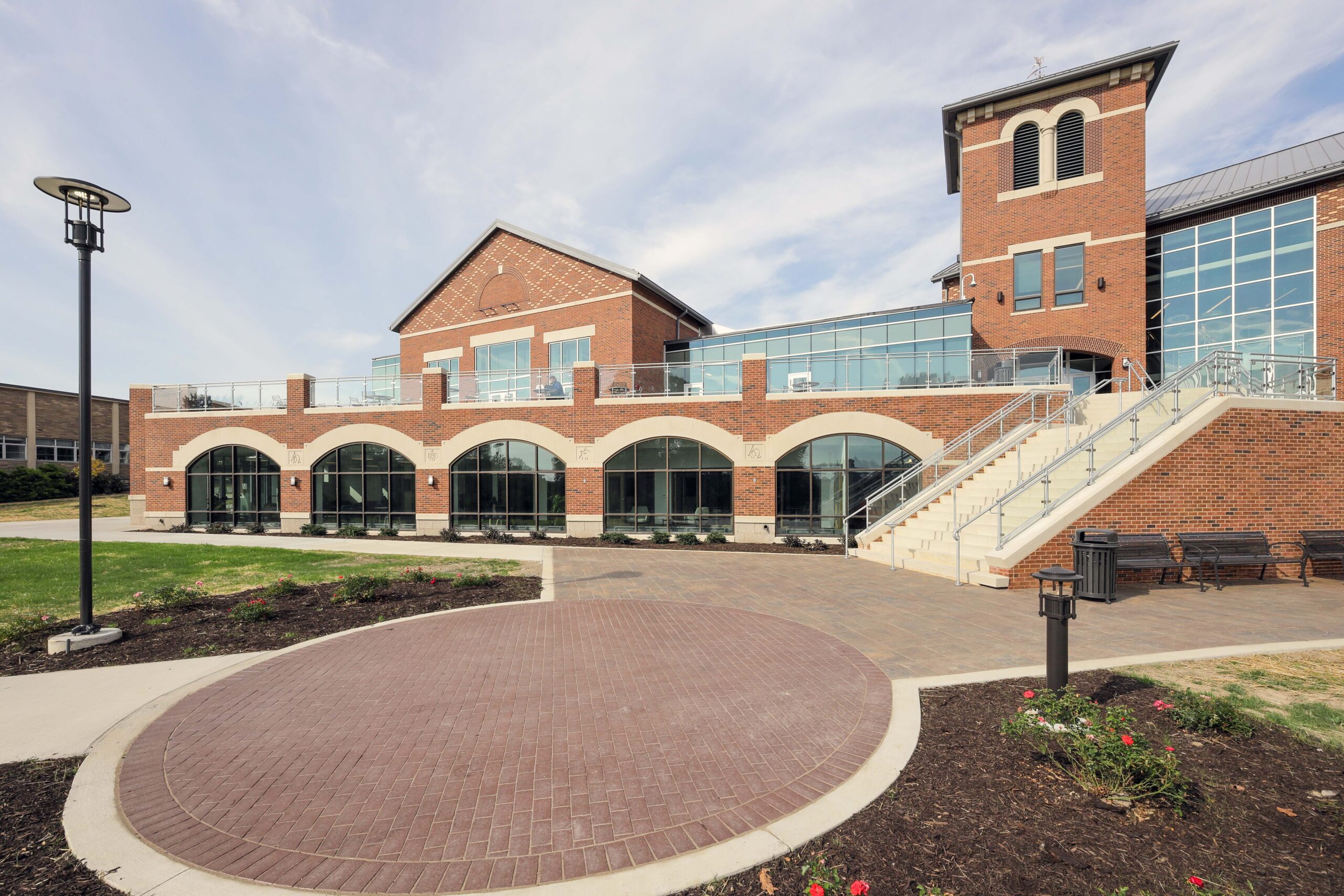
West Virginia University, headquartered in Morgantown with a health sciences campus in Charleston, operates the largest and most complex university building inventory in West Virginia. Marshall University in Huntington and the West Virginia State University in Institute round out the Charleston-area university market, but it is the WVU Health Sciences campus in Charleston's South Hills neighborhood - comprising the WVU Medicine Charleston Area Medical Center affiliated buildings, the School of Medicine, and associated research facilities - that represents the most demanding institutional roofing environment in the state. The combination of healthcare occupancy requirements, research laboratory needs, and West Virginia's demanding mountain climate creates a project complexity level that requires contractors with both healthcare roofing experience and genuine familiarity with the region's weather patterns.
Semester scheduling for WVU's Charleston health sciences campus is fundamentally different from traditional academic scheduling because medical education and clinical training operate year-round without a summer break comparable to undergraduate academic calendars. The only practical windows for significant roofing work on actively occupied medical education buildings are planned facility shutdowns, holiday periods, and weekend-plus-Monday scheduling windows that minimize disruption to clinical rotations. Contractors who work with WVU Health Sciences expect to work non-standard hours - including nights and weekends - on occupied clinical and medical education buildings, and their proposals must reflect the cost of these schedule accommodations rather than assuming standard business-hours productivity.
WVU's main campus in Morgantown includes historic buildings from the university's founding in 1867, including Woodburn Hall - a Second Empire Victorian structure with a distinctive mansard roof that is among the most architecturally significant historic academic buildings in West Virginia. Historic roofing work on Woodburn Hall and comparable campus buildings requires SHPO coordination under West Virginia's Historic Preservation Act, preservation-grade materials, and contractors with demonstrated experience in Victorian-era roofing systems. The Morgantown campus also includes the Personal Rapid Transit system's elevated guideways and stations - unique structures that have their own waterproofing requirements distinct from conventional building roofing but that fall under the university's facilities management responsibility.
West Virginia's mountain climate imposes the most severe combination of snow loading and freeze-thaw cycling encountered in this region of the eastern United States. Morgantown's elevation and geographic position produce snowfall significantly heavier than the Charleston-area valley locations, and the WVU main campus's multi-story academic buildings must be maintained with roof drainage systems capable of handling the meltwater from major snow accumulation events. Ice dam formation on older campus buildings with inadequate insulation is a chronic problem that generates repeated leak events, and the permanent solution - improving attic insulation and ventilation - requires coordination with historic preservation requirements on buildings where attic spaces contribute to the building's historic character.
Research facilities at WVU include the Health Sciences Center, the Biometric Research and Technology Center, and engineering laboratories at the Benjamin M. Statler College. These buildings have the same category of chemical exhaust, vibration, and environmental control requirements found at other research universities, but with the additional complexity of West Virginia's regulatory environment, which includes specific WVDEP requirements for air emission control systems that affect the specification of exhaust penetration flashings. Contractors working on WVU research buildings must understand which exhaust stacks are regulated under WVDEP permits and must not modify or restrict these stacks in any way without prior approval from WVU's environmental compliance office.
LEED certification is pursued at WVU for major capital projects, and the university's sustainability commitment aligns with West Virginia's growing focus on energy efficiency investment. West Virginia's cold winters make heating energy the dominant cost driver in academic buildings, and insulation upgrades during re-roofing projects have a faster payback period in Morgantown than in most other university markets. R-30 to R-38 insulation levels are appropriate for Morgantown's climate zone, and the university's Facilities Management team has developed a standard insulation specification that balances insulation performance, structural capacity, and cost for the range of building types on the main campus.
Campus access at WVU's Morgantown campus is complicated by the campus's integration with the City of Morgantown - many campus buildings are in the middle of the dense downtown urban fabric, with limited staging areas and shared public streets that require contractor coordination with city traffic management for crane permits and material deliveries. The Personal Rapid Transit system creates unusual access constraints in areas where guideway structures pass near or above campus buildings, and any roofing work near PRT guideway infrastructure requires coordination with WVU Transportation's PRT operations team. These access complexities are well understood by Morgantown-based contractors but can surprise contractors from outside the region who have not worked on WVU's urban campus.
The WVU Medicine hospital complex in Morgantown, including Ruby Memorial Hospital and the adjacent medical office buildings, represents the highest-complexity institutional roofing environment in West Virginia. Hospital roofing work at Ruby Memorial requires the same healthcare-specific coordination protocols that apply to any Joint Commission-accredited hospital - pre-construction infection control risk assessment, interim life safety measures during construction, coordination with Facilities Engineering and the Infection Control Preventionist, and continuous maintenance of all life safety system penetrations. These requirements are non-negotiable and contractors who propose on WVU Medicine hospital roofing work must demonstrate prior experience with ICRA-compliant roofing projects.
Long-term maintenance programs for WVU's building portfolio must account for the geographic distribution of the university's facilities across multiple cities and campuses. A centralized maintenance agreement that covers the Charleston health sciences campus, the main Morgantown campus, and the extension campuses in Keyser, Beckley, and other West Virginia cities provides WVU Facilities Management with consistent service and documentation across the portfolio, rather than managing separate contractor relationships in each location. Contractors who can credibly service the full West Virginia geographic footprint - either with their own crews or through documented subcontractor relationships - provide substantially greater value to WVU's statewide facilities program.
How does WVU's Health Sciences campus in Charleston approach roofing project scheduling for medical education buildings? Medical education buildings operate on extended calendars that include residency and clinical rotation programs year-round. Scheduling is developed by identifying specific building sections with upcoming maintenance windows or lower-activity periods, coordinating with department administrators for building section-by-section access, and executing work during nights and weekends when clinical activity is reduced. Pre-construction coordination meetings with the campus facilities manager and department representatives establish the specific access windows available for each building zone. What ICRA requirements apply to roofing work at WVU Medicine's Ruby Memorial Hospital? An Infection Control Risk Assessment (ICRA) must be performed before work begins on any hospital building, identifying the construction activity type, the adjacent patient care areas, and the specific interim life safety measures required. For roofing work, ICRA measures typically include air pressure monitoring in areas below the work zone, sealed positive-pressure barriers at all roof access points from interior spaces, and construction activity restrictions during high-risk clinical activities in adjacent areas. The ICRA is developed jointly by the roofing contractor, the hospital's Facilities Engineering team, and the Infection Control Preventionist. What historic preservation requirements apply to roofing work on WVU's Woodburn Hall? Woodburn Hall is listed on the National Register of Historic Places and requires Section 106 consultation and WVSHPO review for any exterior modifications. The distinctive Second Empire mansard roof with its original slate and ornamental dormer windows must be maintained or restored to original materials and configuration. Any proposed deviations from historic materials - such as synthetic slate substitutes - must be submitted to WVSHPO for a no-adverse-effect determination before the work begins, and the contractor must document the work with before-and-after photography per WVSHPO standards. How does WVU coordinate roofing work near the Personal Rapid Transit guideway on the Morgantown campus? Work within 20 feet of PRT guideway structures requires notification to WVU Transportation's PRT operations team at least 5 business days in advance. Crane work that could contact the guideway requires a formal lift plan reviewed by both the roofing contractor's safety officer and WVU Transportation Engineering. PRT operations are not interrupted for roofing work, but the roofing contractor must ensure that no personnel, materials, or equipment are in the PRT vehicle clearance envelope at any time during scheduled PRT operating hours. What insulation levels does WVU specify for re-roofing projects on the Morgantown main campus? WVU's current Facilities Design and Construction Standards specify a minimum of R-25 for re-roofing of heated academic buildings in the Morgantown climate zone, with a preferred target of R-30 where structural capacity permits. Buildings that previously had no roof insulation - common in pre-1970 construction - may require structural evaluation before the full R-30 target is achievable, as the dead load of 4 inches of polyiso insulation may approach the reserve structural capacity of older deck systems.Q&A
Questions about University and College Campus Roofing
What decides the next roof step?
Moisture risk, membrane condition, drainage, access, roof traffic, rooftop equipment, age, warranty language, and building operations all shape the recommendation.
Can the building stay open during the work?
Often yes. The scope needs daily dry-in planning, staging notes, tenant protection, safety controls, and access limits written before field work starts.
What should ownership send before a roof walk?
Useful items include leak photos, prior proposals, roof plans, warranty paperwork, roof age, interior leak locations, and the best contact for roof access.
Related Roof Decisions
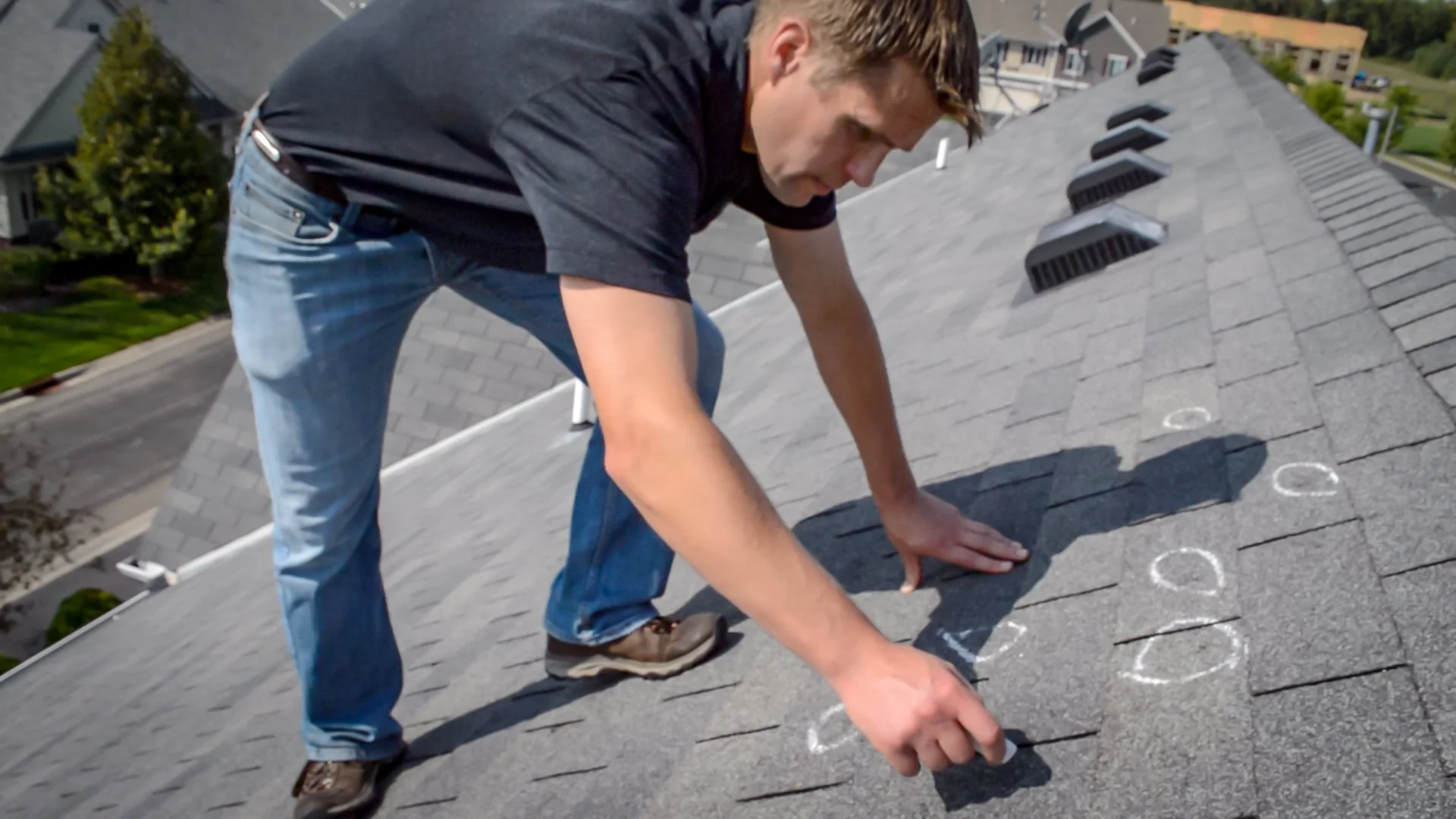
Hail Damage Roof Restoration in West Virginia
A service call near Pinch can become a capital roof conversation fast if the deck is wet, the drains are undersized, or the edge metal is moving in wind. We treat.
→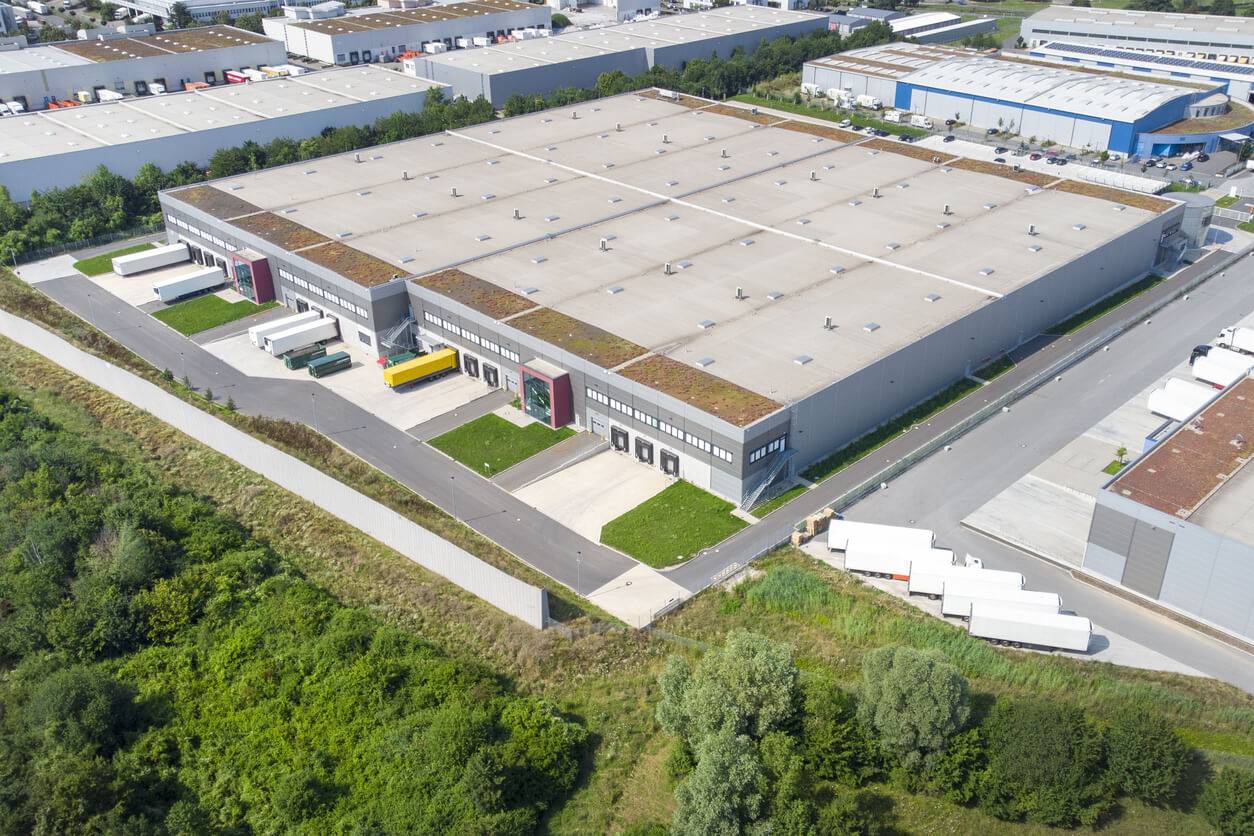
Industrial Roofing in West Virginia
West Virginia's industrial identity is shaped by its resource extraction heritage and the chemical manufacturing legacy that grew alongside it. The Kanawha Valley -.
→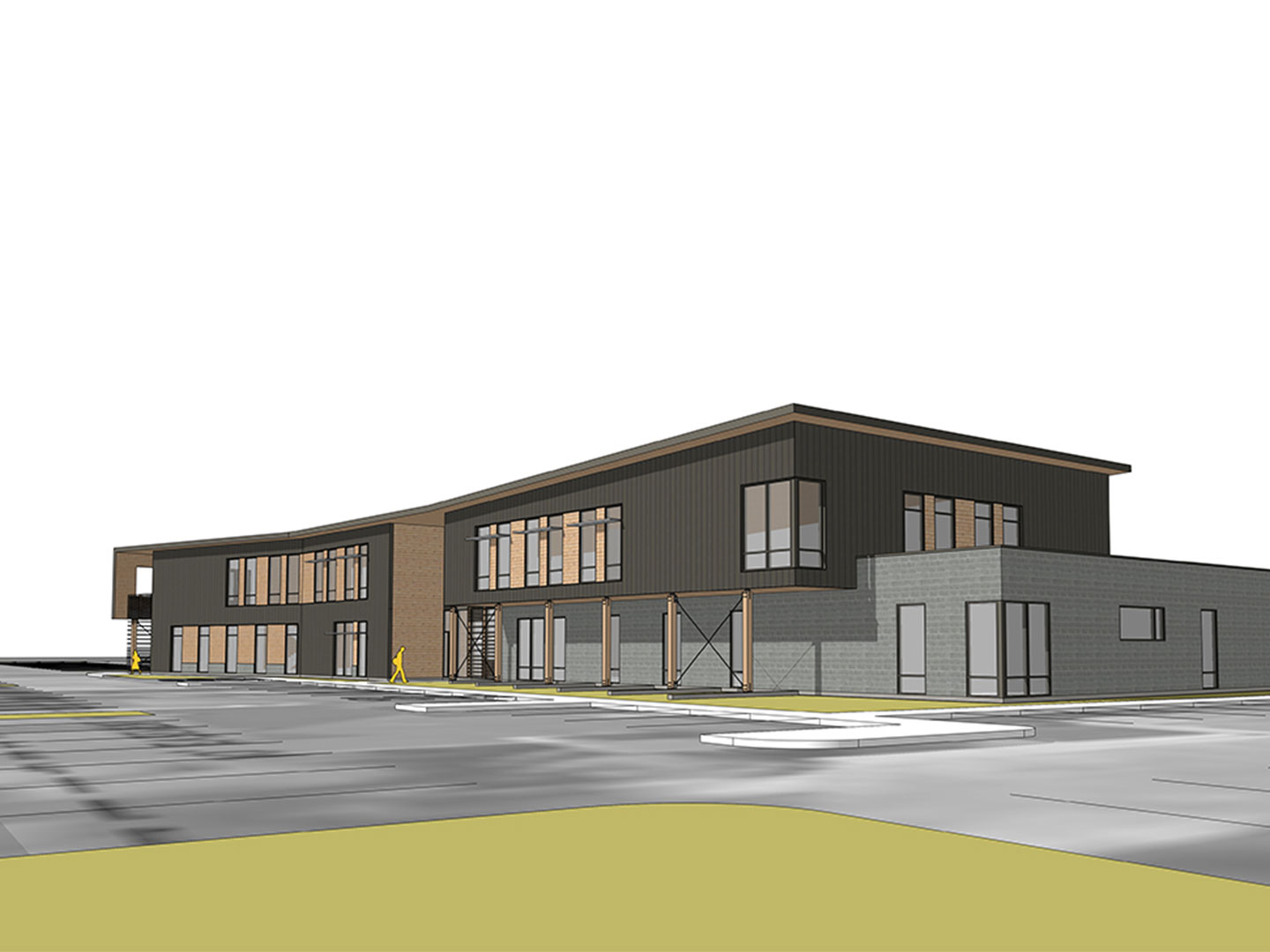
Healthcare Facility Roofing in West Virginia
Charleston, West Virginia anchors the state's primary healthcare corridor, with CAMC Health System operating the largest hospital complex in the state at the.
→
Drone & Thermal Roof Inspection for Charleston, WV Commercial Buildings in West Virginia
On a 90,000-square-foot distribution roof along the Interstate 64 corridor or out near the industrial flats at Institute, the stain on a tenant's ceiling almost.
→