
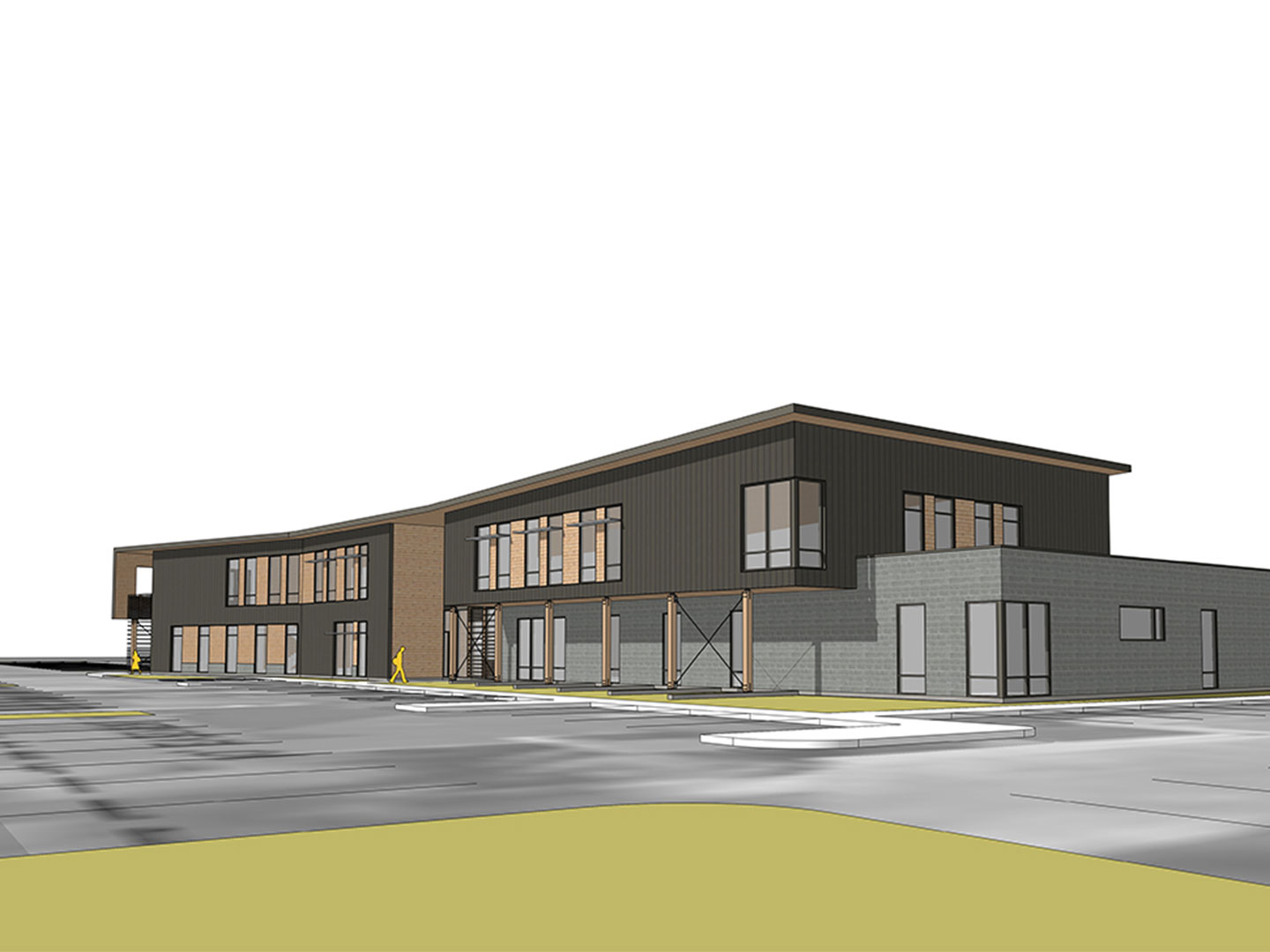
Charleston, West Virginia anchors the state's primary healthcare corridor, with CAMC Health System operating the largest hospital complex in the state at the Charleston Area Medical Center campus on Brooks Street and MacCorkle Avenue. Thomas Health's Saint Francis Hospital adds a second major acute care presence within the metro, and the state's ongoing efforts to expand rural healthcare access have driven new medical office development and urgent care buildouts across Kanawha County. Roofing for healthcare facilities in Charleston demands expertise in the city's distinct combination of riverine humidity, significant snowfall, and the compliance standards set by the West Virginia Office of Health Facility Licensure and Certification (OHFLAC).
The Kanawha River valley creates microclimatic conditions that accelerate roofing deterioration at Charleston healthcare facilities. Moisture-laden air trapped between valley walls concentrates on rooftops, promoting membrane seam failure and accelerating rust at metal flashings. Winter brings freeze-thaw cycles that, compounded by persistent valley fog and limited afternoon sun exposure on north-facing roof sections, keep surfaces wet long after storms have passed. At CAMC's main campus, which includes multiple interconnected roof levels spanning construction eras from the 1970s through recent additions, the differential in membrane age and condition requires careful inspection segmentation so that budget-limited replacement can be sequenced from most critical to least.
Healthcare facilities in West Virginia must meet CMS Conditions of Participation and, for state-licensed facilities, the OHFLAC physical environment standards that address building maintenance and patient safety. A documented roofing maintenance program that includes inspection records, repair histories, and capital replacement schedules is the kind of evidence that OHFLAC surveyors look for when evaluating whether a facility is managing its physical plant adequately. Charleston hospitals and skilled nursing facilities that can present clean roofing maintenance documentation are demonstrably better positioned during state licensing surveys than those with gaps in physical plant oversight.
Snow accumulation is a significant structural and operational concern for flat-roofed healthcare buildings in the Charleston area. Wet Appalachian snowfalls can deposit heavy loads on low-slope rooftops, particularly on wide-bay structures like hospital wings and covered walkways connecting campus buildings. Roof drains and gutters that are not cleared of debris before the snow season risk ice dam formation that backs water under membrane edges. We conduct pre-winter inspections specifically focused on drainage readiness, parapet cap flashing integrity, and the structural condition of older roof decks that carry aging HVAC equipment alongside potential snow loads.
Penetration management at Charleston healthcare facilities involves not only medical gas lines but also the extensive data and telecommunications infrastructure that modern hospitals require. Fiber runs, emergency communication antenna mounts, and IT equipment enclosures on hospital rooftops create dozens of non-standard penetration types that general-purpose roofing crews may not flashing correctly. Our healthcare-focused project teams catalogue every rooftop penetration before any membrane work begins, ensuring that system infrastructure penetrations are re-flashed with the same rigor applied to medical gas and HVAC penetrations. At Thomas Health's Saint Francis campus on MacCorkle Avenue, older infrastructure penetrations are among the first items reviewed in any maintenance assessment.
Assisted living and personal care facilities across the Kanawha Valley - including those serving the rapidly aging population in Charleston's surrounding communities of Nitro, St. Albans, and Dunbar - operate under OHFLAC personal care home regulations that include building maintenance standards. Roof leaks that reach resident rooms in these facilities can prompt OHFLAC investigations and corrective action requirements. These buildings are often smaller and older than acute care hospitals, with dated flat roofs that have received only reactive repairs over the years. A condition assessment followed by a phased replacement program is the most cost-effective path for personal care facility operators looking to avoid compliance exposure while managing capital expenditure.
Charleston's location in a documented coal-ash particulate zone adds an unusual environmental factor to healthcare rooftop maintenance. Particulate accumulation in roof drains and on membrane surfaces is higher than in most Appalachian cities, accelerating drain clogging and creating abrasive surface conditions that wear at TPO and PVC membranes. Semi-annual drain cleaning as part of a preventive maintenance program is not optional for healthcare facilities in the Charleston valley - it is a necessity to prevent the ponding that begins when drains are 30 to 40 percent blocked. Our maintenance programs in Kanawha County include drain inspections and cleanings at each service visit.
Surgical centers and outpatient specialty clinics that have expanded along the US-60 corridor east of Charleston into the South Hills and Kanawha City areas present a newer generation of healthcare rooftop. These facilities, built in the last fifteen years, typically feature TPO single-ply systems that are still within their warranty period but require documented maintenance to preserve warranty coverage. Manufacturer warranty audits - where we review the installation record and current condition against the warranty terms - help facility operators understand exactly what is and is not covered before a repair event occurs. Discovering a warranty gap during a leak investigation is far more costly than identifying it proactively.
Emergency response capacity for healthcare roofing in the Charleston metro is shaped by the region's geography. After major ice storms, which are a recurring feature of West Virginia winters, multiple facilities may need emergency triage simultaneously. We maintain stocked response vehicles in the Kanawha Valley year-round and prioritize healthcare facilities under any emergency response protocol. A leak above a sterile processing suite or a neonatal unit cannot wait for a contractor's next available slot - and CAMC, Thomas Health, and the state's regional hospital network facilities managers know that pre-established emergency service agreements are the difference between a contained event and a clinical crisis.
What West Virginia regulatory standards apply to hospital roofing maintenance? The West Virginia Office of Health Facility Licensure and Certification (OHFLAC) enforces physical environment standards for licensed healthcare facilities that include building maintenance requirements. CMS Conditions of Participation also apply to federally certified facilities and require evidence of systematic physical plant maintenance. Documented roofing inspection and maintenance records are among the items OHFLAC surveyors evaluate during facility reviews. How does snow load affect flat-roofed healthcare buildings in the Charleston area? Wet Appalachian snowfall can impose significant structural loads on flat or low-slope roof decks, particularly on wide-bay hospital wings where snow accumulates across large areas before shedding. Pre-season inspections focused on drain readiness and parapet integrity reduce the risk of ice dam formation and drainage backup. Facilities with older structural systems should have a structural engineer evaluate the roof deck's current capacity before any heavy snow season. Why do medical gas penetrations require special flashing details? Medical gas lines carry active pressure and must not be disturbed during roofing work, making standard tear-off and re-flash techniques inapplicable without coordination with facility engineering. The materials used to seal gas line penetrations must be compatible with both the membrane system and the pipe material, and the flashing geometry must accommodate thermal movement without creating stress cracks. Each penetration should be catalogued and inspected individually rather than treated as a standard pipe boot. What is the best roofing system for an older West Virginia hospital undergoing phased replacement? Modified bitumen systems applied in a recover configuration - installed over existing insulation and membrane where conditions allow - are often the most practical choice for phased replacement on older multi-level hospital campuses. This approach avoids the disruption and debris generation of full tear-off while delivering a durable waterproofing layer. Where the existing insulation is wet or structurally compromised, a full replacement is necessary to prevent trapped moisture from continuing to degrade the new system from below. How often should Charleston healthcare facilities schedule professional roof inspections? A minimum of two inspections per year - one in early spring after freeze-thaw season and one in early fall before the ice storm season - is appropriate for healthcare facilities in the Charleston valley. Facilities with older or complex rooftops benefit from quarterly inspections that track seasonal changes in condition. Any named storm event or significant ice accumulation should prompt a rapid assessment within 48 hours, regardless of the regular inspection schedule.Q&A
Questions about Healthcare Facility Roofing
What decides the next roof step?
Moisture risk, membrane condition, drainage, access, roof traffic, rooftop equipment, age, warranty language, and building operations all shape the recommendation.
Can the building stay open during the work?
Often yes. The scope needs daily dry-in planning, staging notes, tenant protection, safety controls, and access limits written before field work starts.
What should ownership send before a roof walk?
Useful items include leak photos, prior proposals, roof plans, warranty paperwork, roof age, interior leak locations, and the best contact for roof access.
Related Roof Decisions
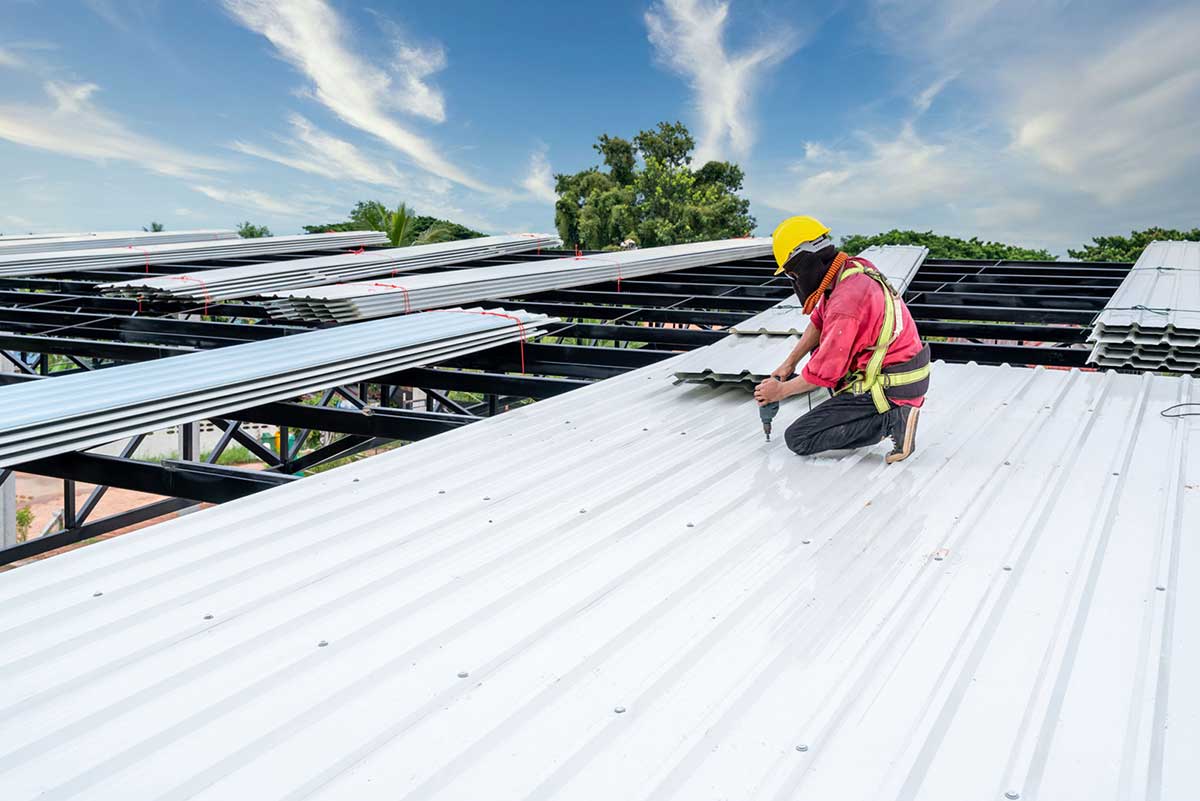
Roof Recover and Overlay in West Virginia
We are usually talking with facility teams comparing Roof Recover and Overlay scope, schedule risk, water control, and budget, so the first visit is grounded in.
→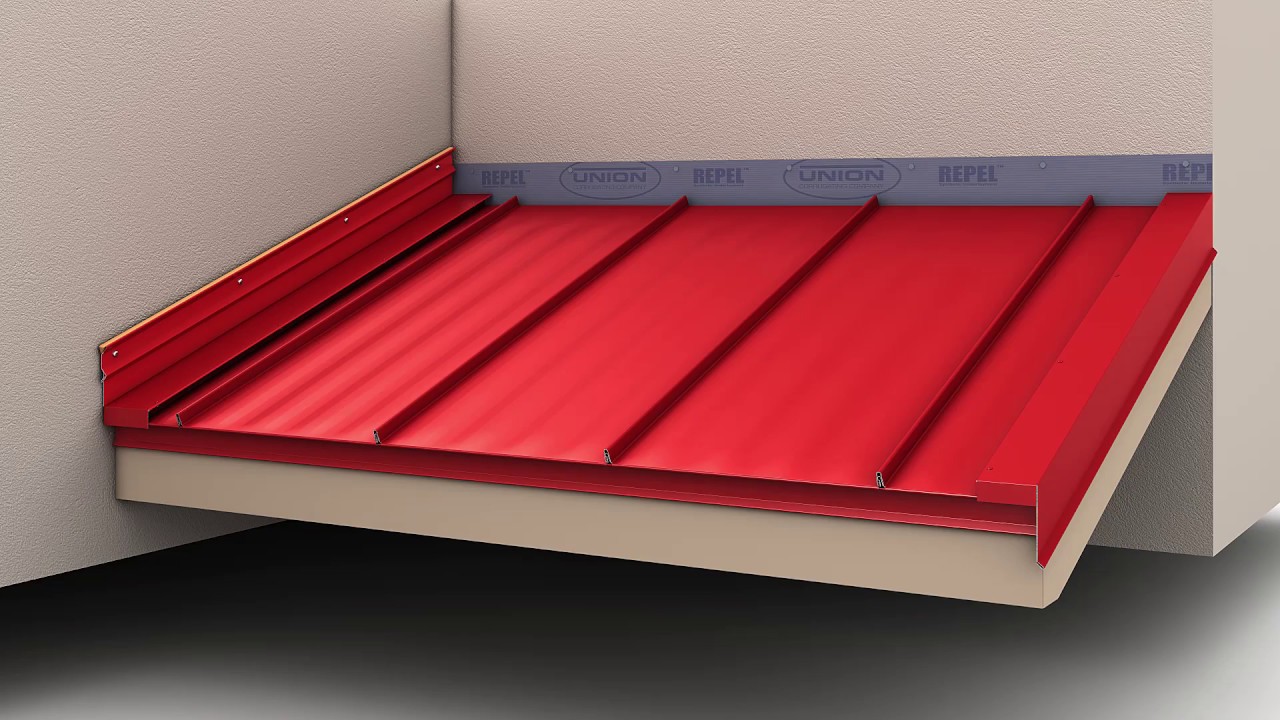
Skylight and Penetration Flashing in West Virginia
The roof surfaces near South Hills and industrial corrosion exposure often age in different ways, even when the buildings are only a few miles apart. That is why.
→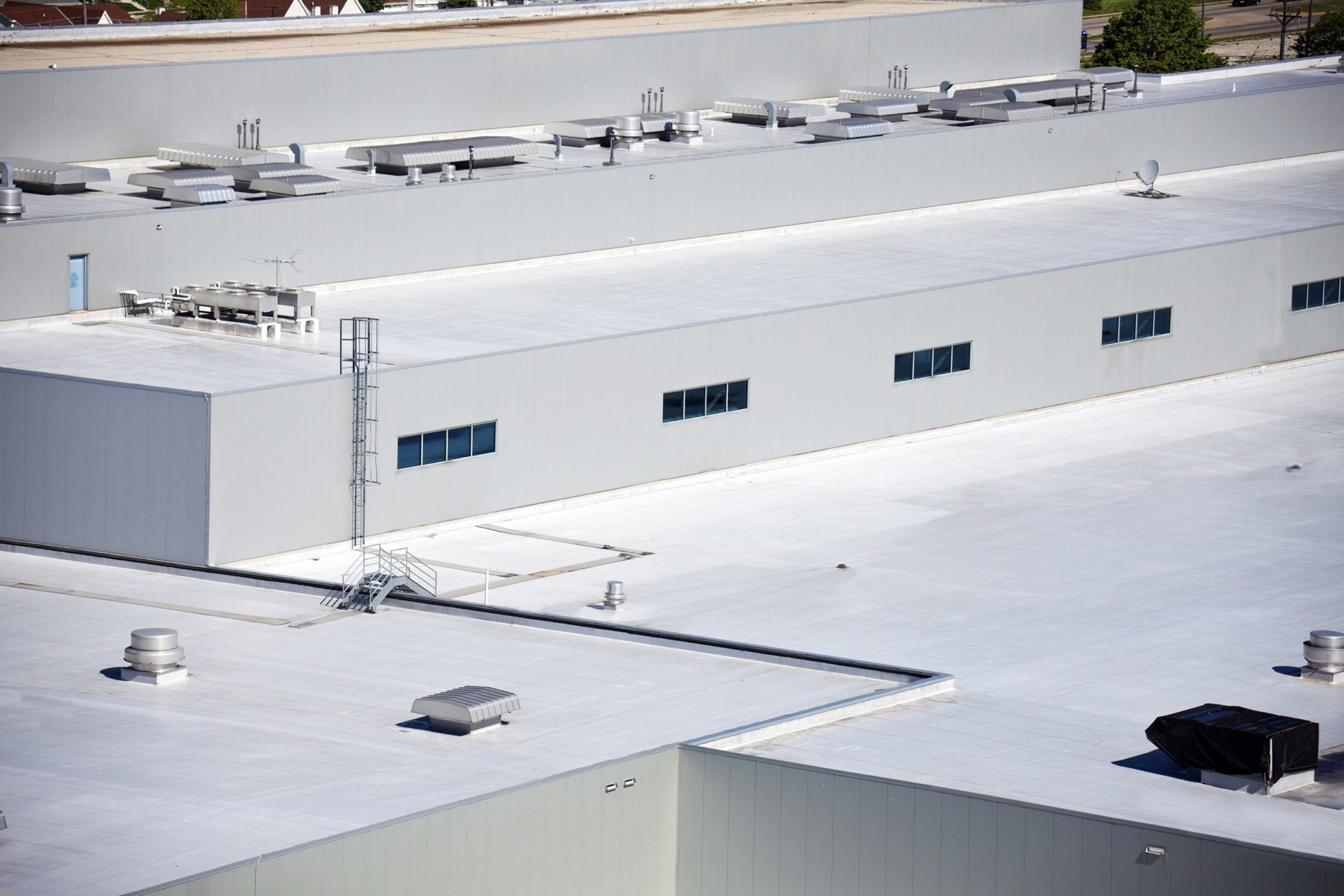
Manufacturing Facility Roofing in West Virginia
Chemours' Washington Works plant near Parkersburg and the broader chemical and mining equipment manufacturing base centered in Charleston and the Kanawha Valley.
→
University and College Campus Roofing in West Virginia
West Virginia University, headquartered in Morgantown with a health sciences campus in Charleston, operates the largest and most complex university building.
→