
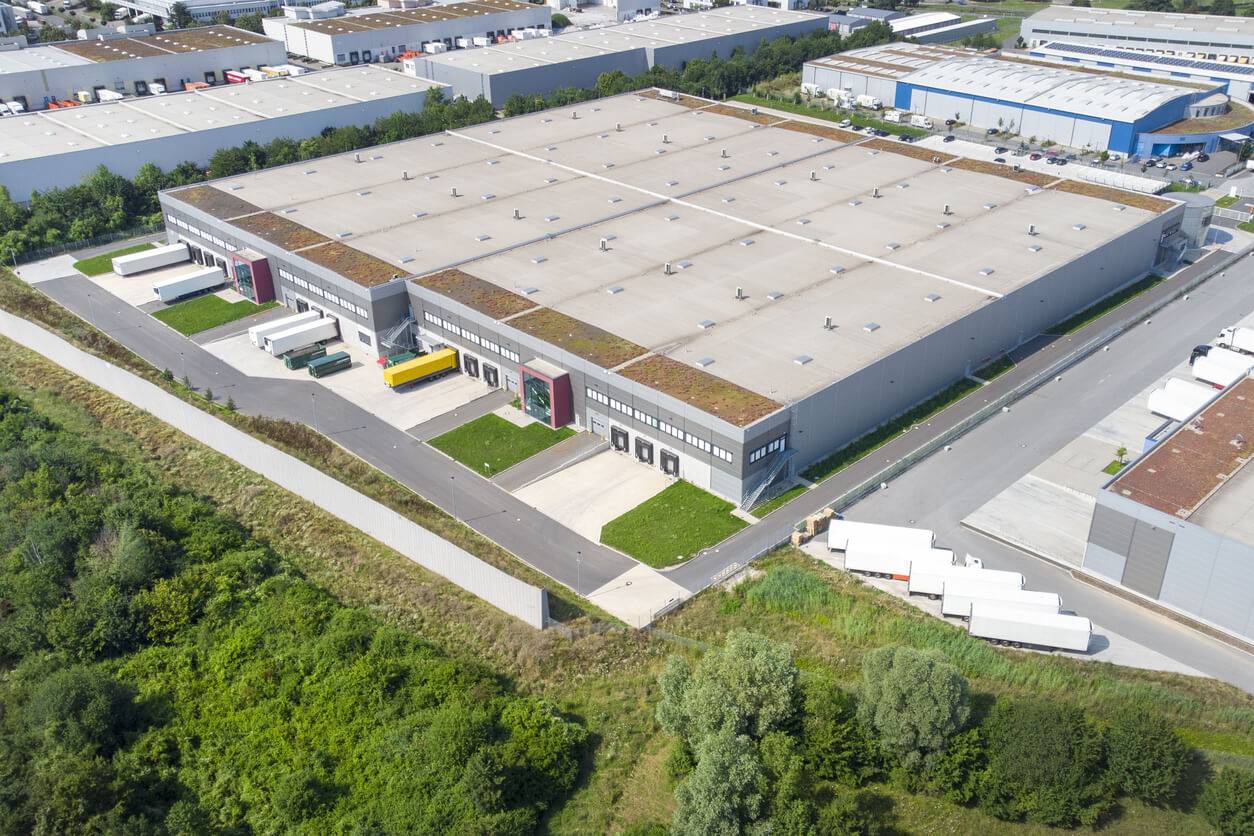
West Virginia's industrial identity is shaped by its resource extraction heritage and the chemical manufacturing legacy that grew alongside it. The Kanawha Valley - Chemical Valley - around Charleston was home to Union Carbide's sprawling chemical manufacturing complex and remains an active hub for Dow Chemical's successors and related chemical and specialty material producers. The Nitro industrial area continues the chemical processing tradition established during World War I. Yeager Airport anchors a logistics and light industrial zone above the Kanawha River. The West Virginia Regional Technology Park represents the state's push toward advanced manufacturing and technology-based industry. The Patrick Street Corridor handles industrial and commercial distribution for the Charleston metro. Corridor G - the I-64/I-77 interchange - provides the logistics backbone that connects Charleston to the broader Appalachian industrial economy. Roofing in this market means understanding the intersection of Appalachian weather, chemical industrial exposure, and the terrain-driven access challenges that define every construction project in West Virginia.
Forty-six inches of annual rainfall is the baseline climate challenge for West Virginia Industrial Roofing, and the Appalachian terrain amplifies it. Orographic lifting - the process by which air masses rise against mountain ridges and cool, releasing precipitation - can concentrate rainfall significantly in valley locations like Charleston compared to open-terrain averages. The Kanawha Valley receives precipitation events that would be moderate in a flat-terrain market but are more intense due to the topographic enhancement of rainfall totals. Industrial buildings in the valley floor, where most major facilities are located, must manage drainage from both their own rooftop and, in some cases, from elevated terrain around the site that concentrates runoff at the building perimeter.
Thirty-two inches of average annual snowfall means West Virginia industrial facilities face a meaningful freeze-thaw challenge on top of their rainfall exposure. Kanawha County's elevation and the moderating effect of the river valley give Charleston somewhat milder winter temperatures than the surrounding mountains, but freeze-thaw cycling is still a regular occurrence from November through March. The combination of snow accumulation, partial melt-and-refreeze cycles, and the heavy wet snow that Appalachian winters frequently produce creates both load concerns and ice dam risks for industrial buildings that lack adequate insulation and properly maintained drainage systems. Pre-winter preparation - drain clearing, sealant inspection, insulation condition assessment - is the most important maintenance cycle for West Virginia industrial facilities.
Chemical Valley industrial buildings face a roofing challenge that few other markets in the country experience: the ongoing exposure of roofing systems to chemical process vapors, industrial fallout, and the physical contamination from manufacturing operations that have been ongoing for decades. The chemical compounds produced and processed in the Kanawha Valley include chlorine compounds, vinyl chloride derivatives, and various organic chemical intermediates that attack roofing materials in ways that weather alone does not. Membrane formulations must be chosen for chemical resistance appropriate to the specific exposure. Roof drainage systems that carry chemical-contaminated runoff must be designed and maintained accordingly, and regular testing of membrane condition in high-exposure areas should be part of the maintenance program for Chemical Valley facilities.
Access is the defining practical challenge for roofing work in West Virginia's Appalachian terrain. Many industrial facilities in the Kanawha Valley and surrounding areas are accessed by roads that have weight restrictions, elevation changes, or routing constraints that complicate the delivery of roofing materials and equipment. Crane placement for material hoisting on valley-floor industrial buildings may be constrained by adjacent hillsides or waterway proximity. Mobilization planning for a major industrial reroofing project in Charleston requires site-specific logistics assessment that contractors without West Virginia experience may not anticipate. Working with a contractor who has executed major Industrial Roofing projects in Appalachian terrain is not just preferable - it is often necessary for project success.
The coal industry support facilities that remain in the Charleston metro area - equipment maintenance shops, preparation plant support buildings, and logistics facilities - have roofing profiles that reflect heavy industrial use and, in many cases, decades of deferred maintenance. Coal dust contamination of rooftop drainage systems, physical damage from equipment operations, and the economic uncertainty of the coal industry that has led to deferred capital investment are common characteristics of coal-sector industrial buildings.
West Virginia Regional Technology Park and the growing advanced manufacturing and technology business base in Charleston represents the emerging industrial economy that is diversifying away from the resource extraction legacy. These facilities - medical device manufacturing, precision machining, technology services - have modern construction and modern roofing systems that are far closer to the national commercial standard than the older Chemical Valley industrial stock. For new and relatively new technology park facilities, proactive maintenance programs that extend the designed service life of modern roofing systems are more appropriate than the replacement-focused approach required for older industrial buildings in the chemical and coal sectors.
Yeager Airport, situated on a ridgetop above Charleston in a location that is unusually exposed to wind compared to the valley-floor industrial zones, presents specific roofing challenges related to its elevation and topographic exposure. Ridgetop exposure creates higher design wind speeds than valley-floor locations, and buildings on elevated terrain experience more sustained high-wind events than their flat-terrain equivalents. Industrial and logistics facilities at Yeager Airport should be designed and maintained to the higher wind exposure category that their topographic position demands, not to the more sheltered valley-floor standards that might apply if the site were at river level.
West Virginia contractor licensing requirements for commercial roofing work include registration with the West Virginia Contractors Licensing Board. Kanawha County permitting for large Industrial Roofing projects requires coordination with the county building department, and project timelines must account for the inspection schedule limitations that can arise in a jurisdiction with fewer inspectors than large urban markets. The construction window in Charleston is longer than in Vermont or the Great Lakes but shorter than in Sun Belt markets, with reliable outdoor roofing weather from April through October and weather-dependent work possible in shoulder months with appropriate planning.
Our team serves industrial facilities throughout the Charleston metro and broader West Virginia market - from Chemical Valley processing facilities to Technology Park tenants to coal industry support operations. We understand chemical exposure roofing specification, Appalachian terrain access management, freeze-thaw performance requirements, and the specific permit and inspection processes of the Kanawha County market. Contact us to schedule a professional assessment of your West Virginia industrial facility's roofing system.
Questions Owners Ask
How does chemical exposure in the Kanawha Valley affect Industrial Roofing material selection?Chemical process vapors and industrial fallout in the Chemical Valley environment can attack roofing materials at the membrane surface, at adhesive bonds, and at sealant compounds. TPO membranes generally have good chemical resistance for common industrial exposures, but specific chemical environments - particularly chlorine-compound or solvent-vapor exposure - may require PVC or coated membrane formulations with documented chemical resistance. A roofing material selection for a Chemical Valley facility should include a review of what compounds are present in the air environment, not just the standard weather and UV exposure analysis that drives membrane selection in non-industrial markets.
What makes Appalachian terrain access a specific roofing project management challenge in West Virginia?Roofing material delivery requires large trucks, and many roads in and around Charleston's industrial zones have weight restrictions, steep grades, or turning radius limitations that affect delivery routing. Material hoisting equipment - cranes and forklifts - may have placement constraints from adjacent hillsides, waterways, or facility proximity that require custom rigging solutions. Project scheduling must account for the possibility that weather events - including the flash flooding that is more frequent in Appalachian valleys than in flat-terrain markets - can temporarily disrupt site access. An experienced West Virginia Industrial Roofing contractor builds these contingencies into the project plan as standard practice.
Are coal industry support facility roofs worth the investment to replace, given the sector's economic uncertainty?This is a business question as much as a roofing question. If the facility has remaining productive economic life, continued deferred maintenance typically costs more per year than a proactive replacement program over a five-to-ten-year horizon - particularly when active leaks disrupt operations or create liability. If the facility has an uncertain economic future, a restoration coating over a stable but aging membrane may provide five to seven years of additional weathertight service at lower cost than full replacement, buying time to assess the facility's long-term role. A condition assessment provides the objective data needed to make this decision rationally rather than on assumptions.
How does freeze-thaw cycling affect industrial roofs in Charleston, WV differently than in cities with sustained cold winters?Charleston's moderate Appalachian winter - temperatures that frequently cycle above and below freezing rather than staying consistently cold - is actually harder on roofing materials than sustained cold climates in some ways. In sustained cold, water that infiltrates a seam freezes and stays frozen until spring. In Charleston's cycling climate, that same infiltration freezes, thaws, refreezes, and re-thaws dozens of times per winter - each cycle expanding and contracting the breach. The cumulative damage from 40 to 60 freeze-thaw cycles is often more severe than a single sustained freeze that remains static until a spring thaw.
What is the appropriate inspection frequency for West Virginia Regional Technology Park facility roofs?Technology park buildings with modern roofing systems in reasonable condition should receive a minimum of two professional inspections per year - one in the spring after the winter stress season and one in the fall before winter. For buildings that have any age-related condition concerns, quarterly inspections provide earlier detection of developing issues. Chemical Valley proximity buildings - even those not directly in chemical processing operations - should add an annual chemical exposure inspection that specifically evaluates membrane surface condition and sealant integrity for signs of chemical attack.
Q&A
Questions about Industrial Roofing
What decides the next roof step?
Moisture risk, membrane condition, drainage, access, roof traffic, rooftop equipment, age, warranty language, and building operations all shape the recommendation.
Can the building stay open during the work?
Often yes. The scope needs daily dry-in planning, staging notes, tenant protection, safety controls, and access limits written before field work starts.
What should ownership send before a roof walk?
Useful items include leak photos, prior proposals, roof plans, warranty paperwork, roof age, interior leak locations, and the best contact for roof access.
Related Roof Decisions
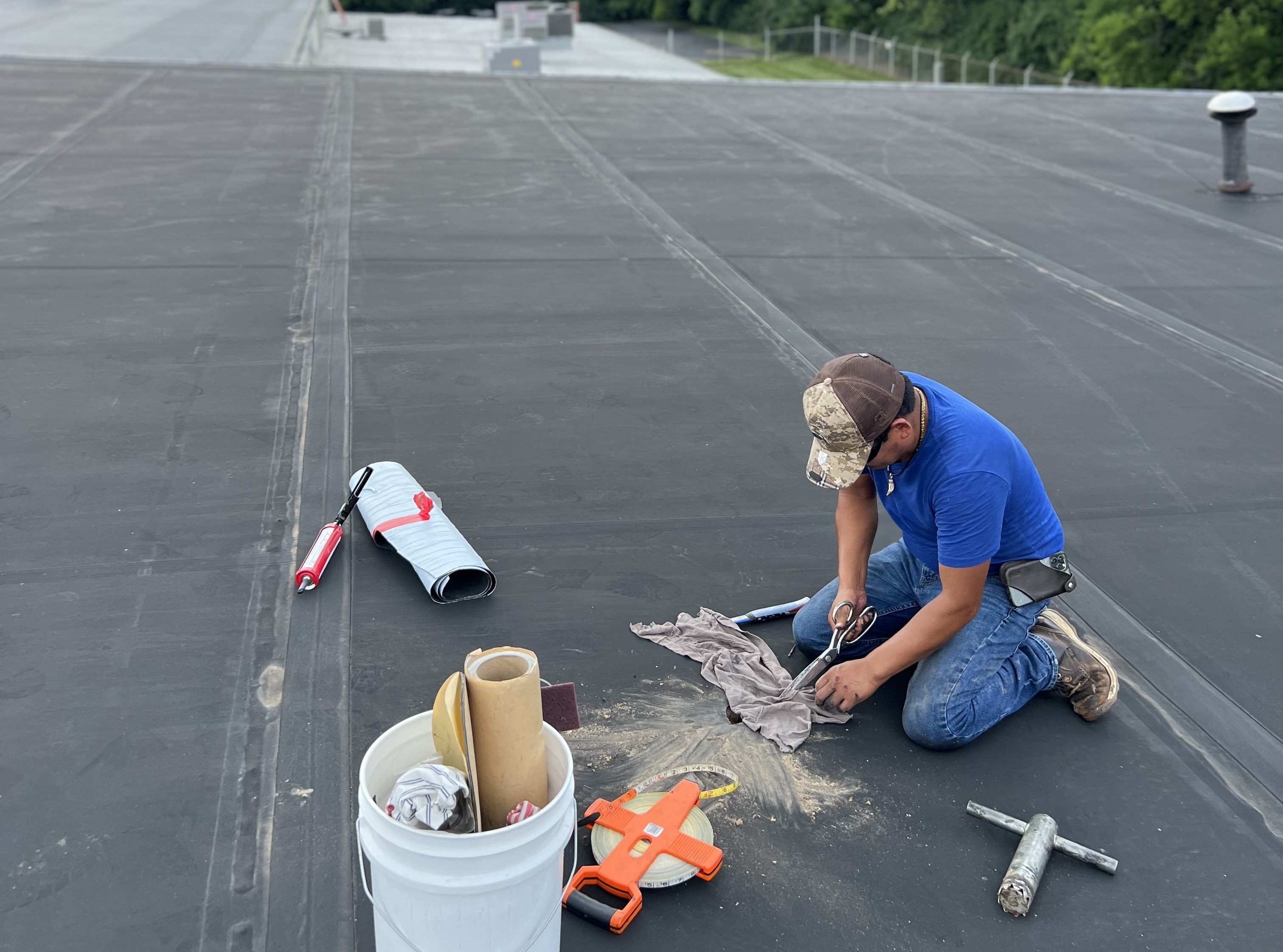
Commercial Roof Preventive Maintenance Program in West Virginia
West Virginia's commercial market concentrates in Charleston along the I-64 and US-60 corridors, with significant activity in the Capital Center employment zone.
→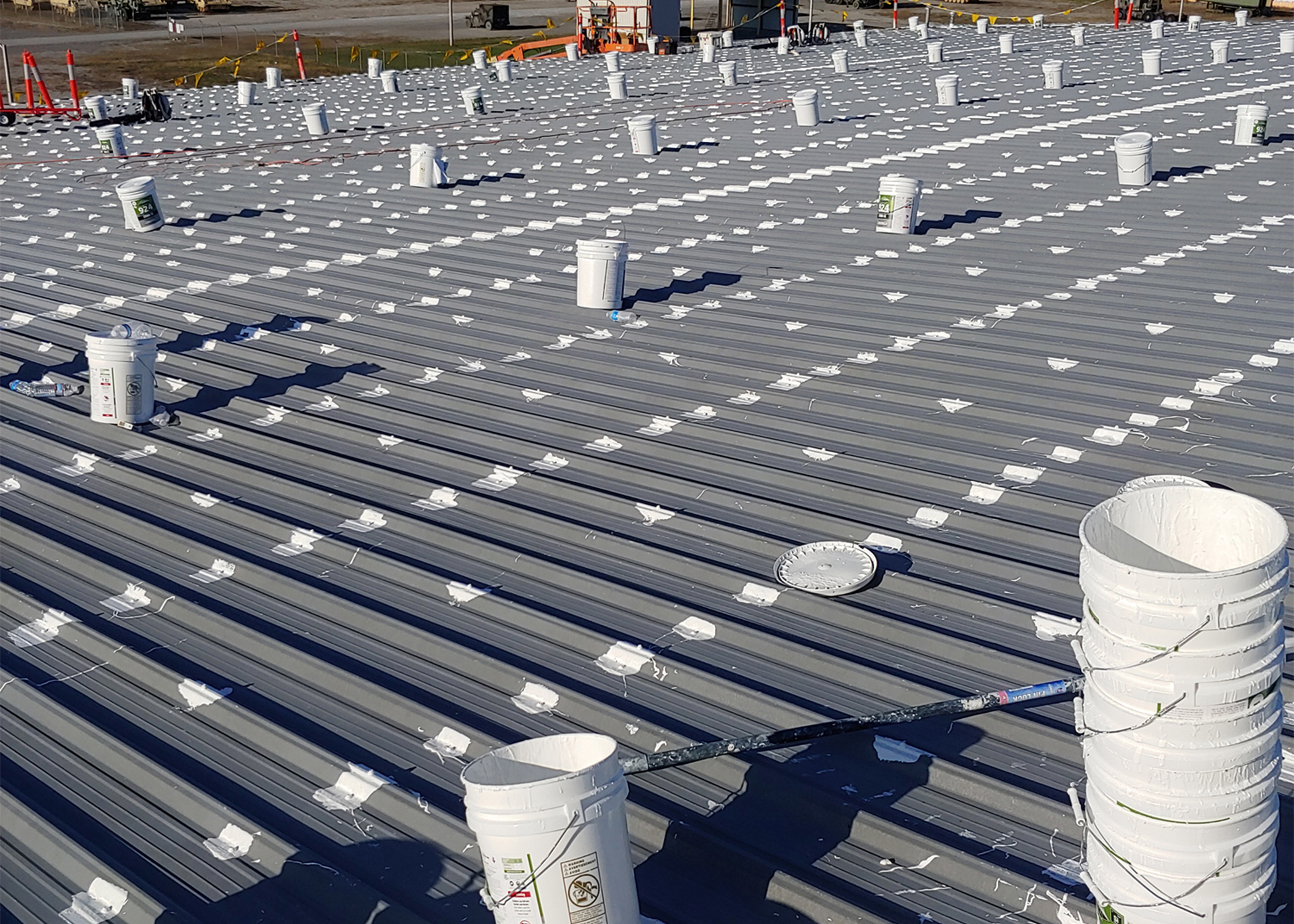
Acrylic and Silicone Roof Coatings in West Virginia
A leaking curb, open seam, or loose coping cap around Court Street tells only part of the story for Acrylic and Silicone Roof Coatings. We still need to see the.
→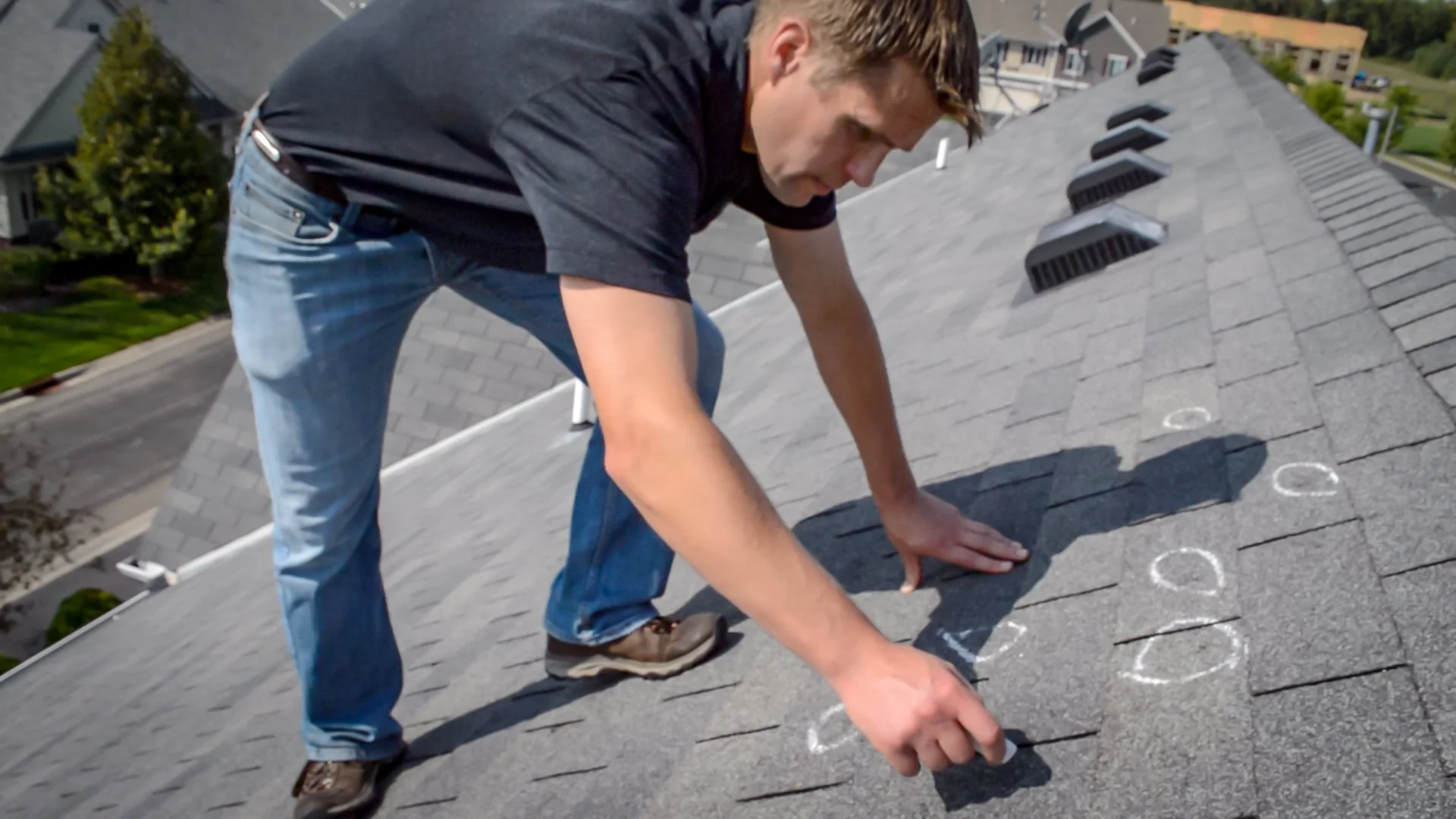
Hail Damage Roof Restoration in West Virginia
A service call near Pinch can become a capital roof conversation fast if the deck is wet, the drains are undersized, or the edge metal is moving in wind. We treat.
→
Warehouse and Distribution Center Roofing in West Virginia
Mountaineer Keystone's cold-storage and distribution operations serving the Kanawha Valley represent the kind of large-footprint Warehouse Roofing challenge that.
→