
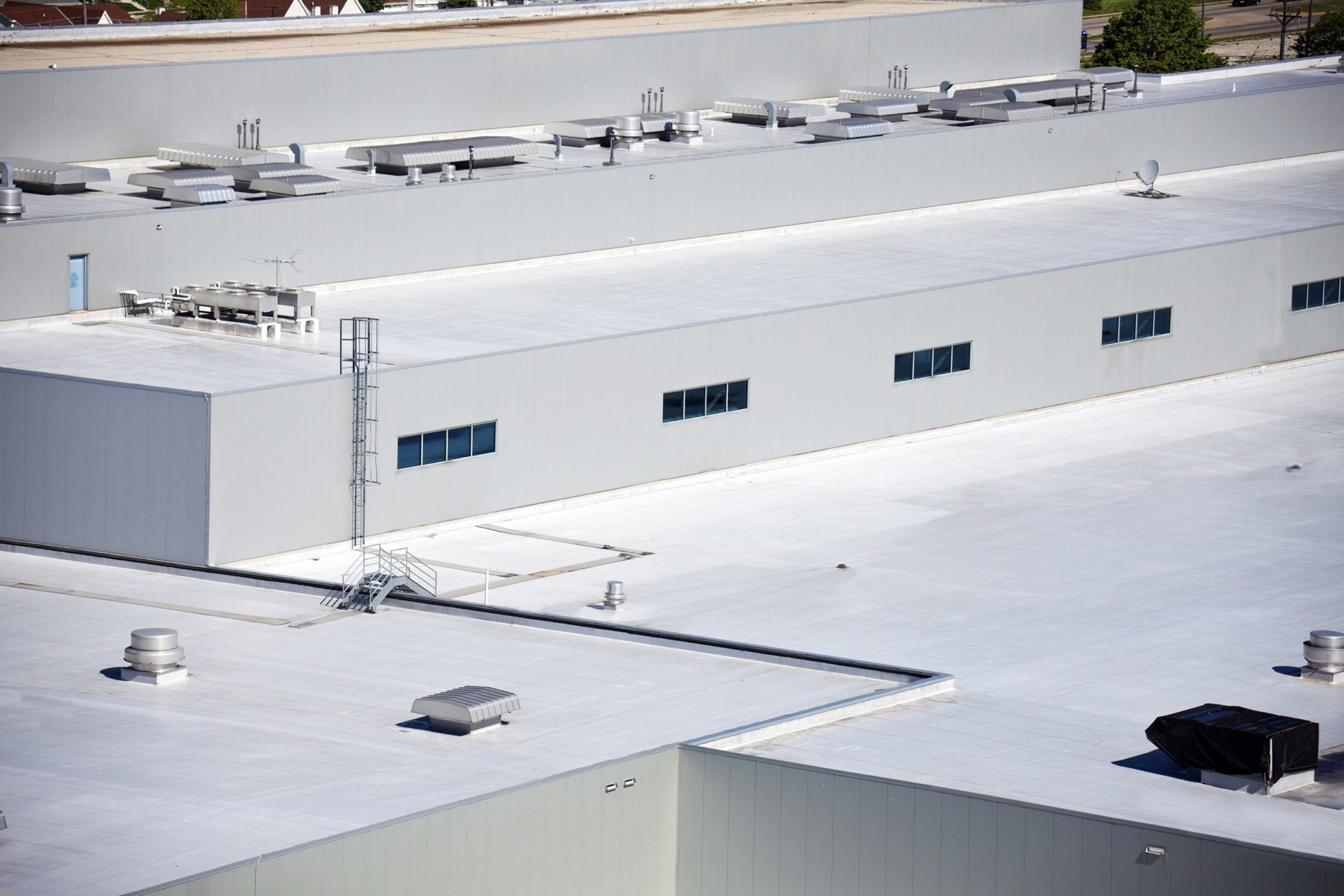
Chemours' Washington Works plant near Parkersburg and the broader chemical and mining equipment manufacturing base centered in Charleston and the Kanawha Valley represent the most chemically aggressive roofing environments in West Virginia's industrial sector. Facilities supplying mining equipment to the state's coal and natural gas industries, along with chemical processing equipment manufacturers in the Kanawha Valley, subject their rooftops to a combination of corrosive vapor environments, heavy mechanical loading from overhead crane rails, and West Virginia's challenging mountain climate that few contractors outside the region fully appreciate until they encounter it firsthand.
Chemical manufacturing and mining equipment fabrication in the Charleston area generates a vapor environment that is uniquely hostile to standard roofing materials. Sulfuric acid mist from battery and electrolyte manufacturing, hydrogen sulfide from petrochemical processing equipment testing, and nitrogen oxide compounds from certain chemical synthesis operations can all be present in the roofline air of facilities in the Kanawha Valley industrial corridor. These compounds do not simply attack membrane surfaces - they corrode metal deck sections, compromise insulation facers, and degrade the foam chemistry of polyisocyanurate insulation if the insulation is not protected by appropriate vapor retarders. Contractors working in this corridor have learned to specify glass-fiber-faced polyiso with aluminum foil facers rather than standard kraft-faced product, because the foil facer provides a meaningful barrier to vapor-phase chemical attack on the insulation core.
Mining equipment manufacturing involves the production of longwall shearers, continuous miners, and roof support systems that weigh tens of thousands of pounds. The overhead cranes that move these components throughout fabrication bays generate significant dynamic loads that transfer into the building structure and ultimately into the roof deck. Contractors assessing Charleston-area mining equipment plants must evaluate the rail beam connections at the roof deck level, because the cyclic horizontal and vertical loads from crane travel are concentrated at exactly the points where deck-to-structure connections are most likely to fatigue. Infrared thermography during a West Virginia winter provides excellent contrast for detecting wet insulation in these facilities, because the temperature differential between wet and dry insulation sections is large and consistent.
West Virginia's mountainous terrain creates wind exposure conditions that differ significantly from the flat-terrain assumptions built into standard ASCE 7 wind maps. The ridgeline acceleration effect - where wind speed increases substantially as air moves over terrain features - can produce localized uplift pressures at rooftop elevations that exceed the standard wind zone calculation by 20 to 30 percent. Contractors working on industrial facilities in the Charleston area who understand this terrain amplification factor specify edge metal and perimeter fastening patterns that exceed the baseline ASCE 7 calculation, providing a margin of safety for the terrain effects that the map-based calculation does not fully capture.
Skylights in West Virginia chemical and mining equipment manufacturing facilities are typically covered with wire-glass or polycarbonate panels that have been darkened by years of exposure to process vapors. Replacement during re-roofing projects is almost always appropriate, both because the deteriorated light transmission undermines their functional purpose and because the aged frames have often developed corrosion that prevents a proper membrane termination at the curb. Current polycarbonate units with UV-stabilized coating maintain their light transmission for 20 or more years in typical industrial environments, though the heavily corrosive vapor conditions in some Kanawha Valley facilities may shorten this service life and warrant enhanced coatings or glass substitution.
Schedule coordination in West Virginia industrial manufacturing is complicated by the shutdown cycles of chemical and mining industries, which tend to run continuous operations with scheduled turnarounds rather than regular business-hours operations. Roofing work on continuously operating facilities must be phased to allow production to continue in unaffected bays while the roof above temporarily closed bays is replaced. West Virginia winter weather - including significant snow loading and ice damming conditions that are relatively rare in Mid-Atlantic and Southeastern markets - requires that open-roof work be scheduled for the April through October window wherever possible, and that any work extending into winter months be covered by written weather management provisions including heated enclosure requirements for adhesive work.
Snow loading is a material concern in West Virginia that directly affects insulation specification. The Charleston area averages 20-30 inches of snowfall annually, and facilities in higher-elevation sites in adjacent counties can receive substantially more. Roof structural capacity analysis must account for the ground-to-roof snow load conversion factors in ASCE 7 for the specific facility location, and insulation systems must be installed in configurations that do not create ponding-prone flat zones where snowmelt can accumulate behind parapets. Tapered insulation systems that direct water to internal drains are strongly preferred over flat-installed systems in West Virginia industrial applications.
Drain maintenance is particularly critical in Charleston-area chemical and mining equipment plants because process fines - coal dust, metal grinding residue, and chemical precipitate - accumulate in drain sumps and overflow scuppers faster than in cleaner industrial environments. Standard maintenance programs that call for semi-annual drain cleaning are typically insufficient for facilities where heavy particulate loading is continuous. Quarterly drain cleaning, with documentation of each cleaning event and measurement of accumulated material, is the appropriate standard for high-loading facilities, and maintenance contracts should be written to reflect this elevated frequency.
Long-term contractor relationships are particularly valuable in West Virginia's chemical and mining manufacturing sector, where facility-specific knowledge about hazardous material locations, overhead crane clearances, and emergency response protocols accumulates over years of work at a site. Contractors who invest in detailed facility documentation after each project visit - recording crane rail locations, drain invert elevations, deck span directions, and penetration inventories - provide substantially better service on subsequent visits and avoid the costly surprises that attend every project when the contractor is encountering the facility for the first time.
How do hydrogen sulfide and sulfuric acid vapors affect roofing materials in West Virginia chemical plant environments? Both compounds attack metal components - particularly galvanized steel flashings and fasteners - through acid-catalyzed corrosion. Sulfuric acid mist also attacks the limestone filler in some mineral-surfaced cap sheets and can degrade standard polyisocyanurate foam at the facer if the facer is breached. Foil-faced polyiso, PVC or TPO membrane with welded seams, and stainless or aluminum metal components are the appropriate specification for high-acid environments. What snow load requirements apply to Charleston, WV industrial manufacturing buildings? ASCE 7-22 assigns a ground snow load of 20-25 psf to the Charleston area, which translates to a balanced roof snow load of approximately 13-17 psf depending on roof slope and thermal factors. Facilities with obstructions that cause snow drifting - parapets, HVAC units, rooftop equipment - must be analyzed for unbalanced and drift loads that can substantially exceed the balanced load, and the structural capacity of the deck must be verified to support these loads before re-roofing adds the weight of new insulation and membrane. Can West Virginia mining equipment manufacturing facilities be re-roofed while overhead cranes remain in service? Yes, but it requires a detailed crane-clearance management protocol developed in coordination with the facility's crane operator and maintenance team. The roofing contractor must know the crane travel path and hook height at all positions, and the phasing plan must ensure that no workers or materials are in the crane's operating envelope without a formal crane-lockout procedure in place. Written lock-out/tag-out coordination between the roofing supervisor and the crane operator is a standard requirement. How does West Virginia's terrain affect wind uplift design for Industrial Roofing? ASCE 7's Topographic Factor (Kzt) is specifically intended to account for terrain amplification of wind speeds at elevated or hilltop sites. Facilities on ridge lines or hilltops near Charleston may have Kzt values of 1.2 to 1.4 or higher, which multiplies the design wind pressure by the square of that factor - a 30-40% increase in design pressure over the flat-terrain baseline. This amplification must be calculated by a licensed engineer for each specific site. What is the typical project timeline for re-roofing a large Charleston-area chemical equipment manufacturing building? A 50,000-square-foot facility with moderate penetration density and straightforward phasing can typically be completed in 6-8 weeks during favorable weather. Facilities with heavy chemical vapor environments, extensive drain reconfiguration, or deck replacement requirements may require 12-16 weeks. Weather holds during West Virginia winters, when adhesive application may be suspended for days at a time, are the most common cause of project timeline extension.Q&A
Questions about Manufacturing Facility Roofing
What decides the next roof step?
Moisture risk, membrane condition, drainage, access, roof traffic, rooftop equipment, age, warranty language, and building operations all shape the recommendation.
Can the building stay open during the work?
Often yes. The scope needs daily dry-in planning, staging notes, tenant protection, safety controls, and access limits written before field work starts.
What should ownership send before a roof walk?
Useful items include leak photos, prior proposals, roof plans, warranty paperwork, roof age, interior leak locations, and the best contact for roof access.
Related Roof Decisions
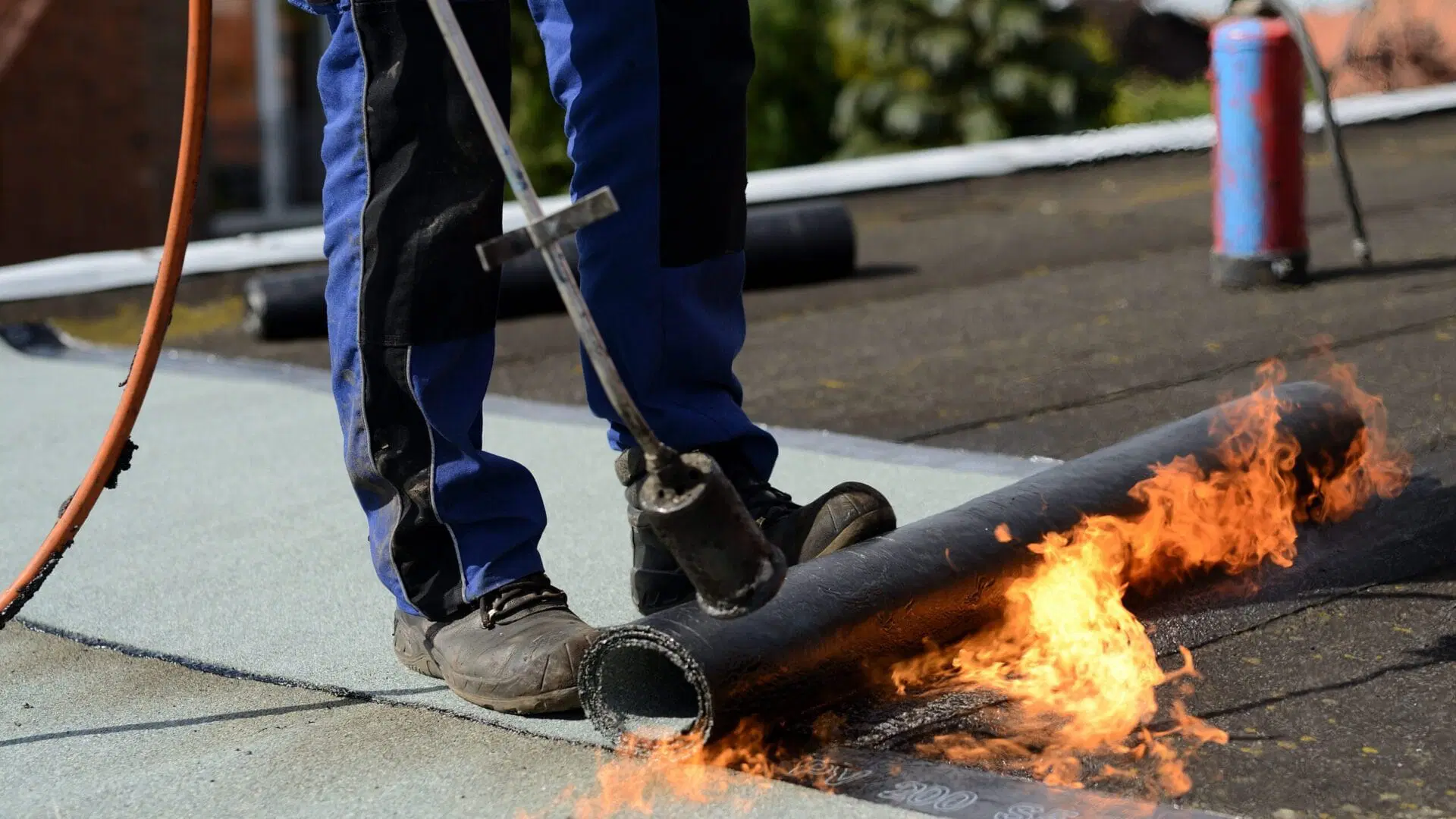
Modified Bitumen APP Roofing in West Virginia
A roof above I-64 and I-77 split does not get a generic Modified Bitumen APP Roofing scope from us. We look at how people enter the building, how materials can be.
→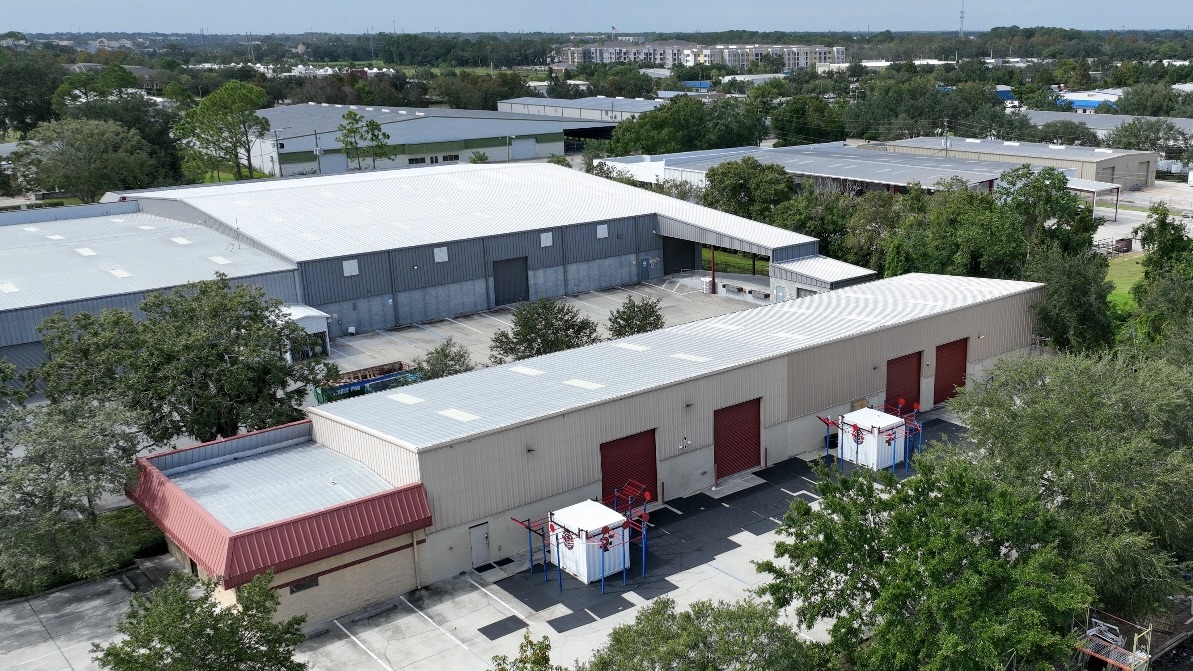
Commercial Roof Inspection in West Virginia
The roof surfaces near Kanawha County and Hurricane often age in different ways, even when the buildings are only a few miles apart. That is why Commercial Roof.
→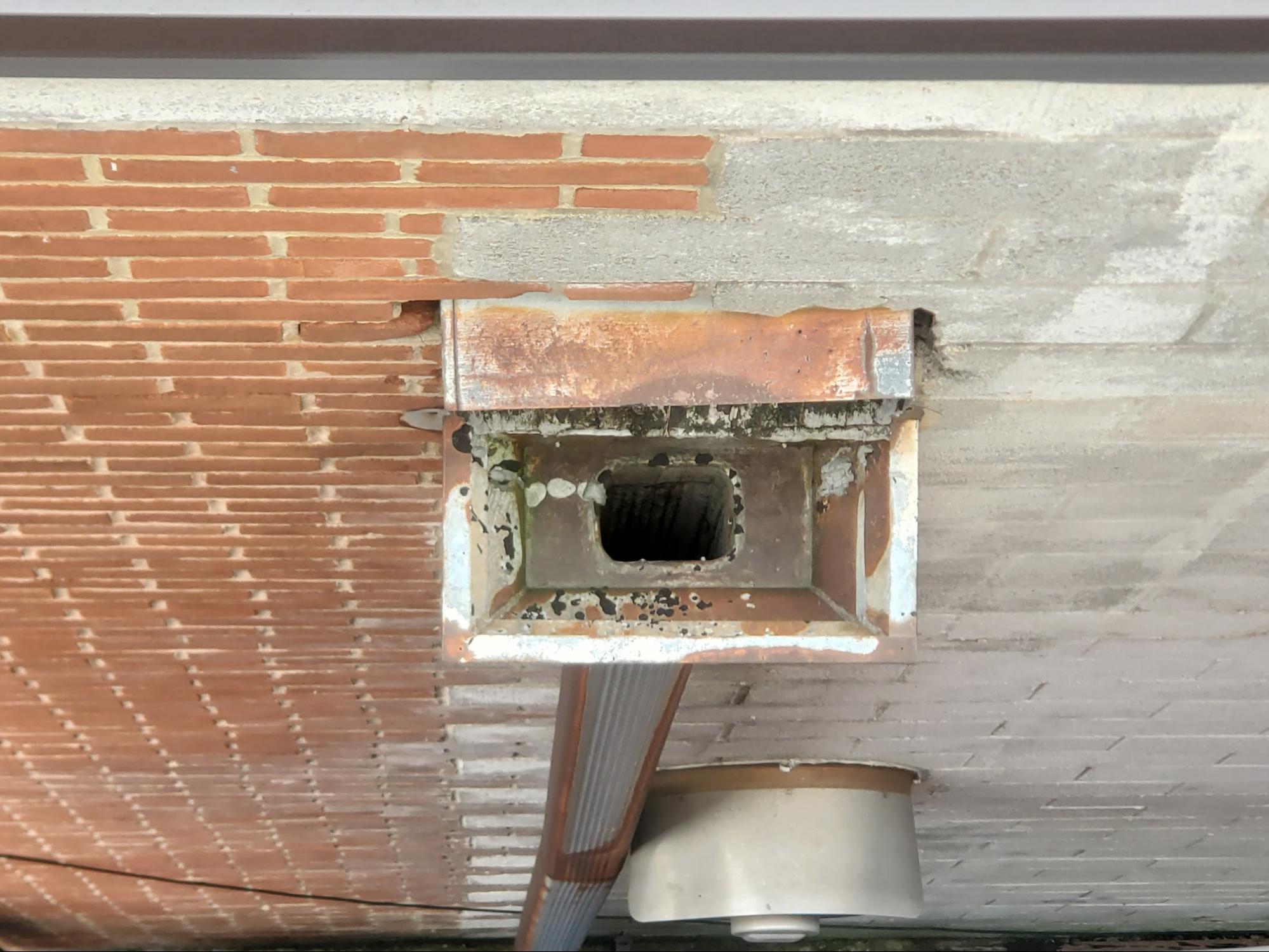
Roof Drains and Scuppers in West Virginia
A roof above West Virginia International Yeager Airport does not get a generic Roof Drains and Scuppers scope from us. We look at how people enter the building, how.
→
Office Building Roofing in West Virginia
Highmark West Virginia's corporate headquarters in Charleston, along with the broader concentration of state government office buildings, law firm offices, and.
→