
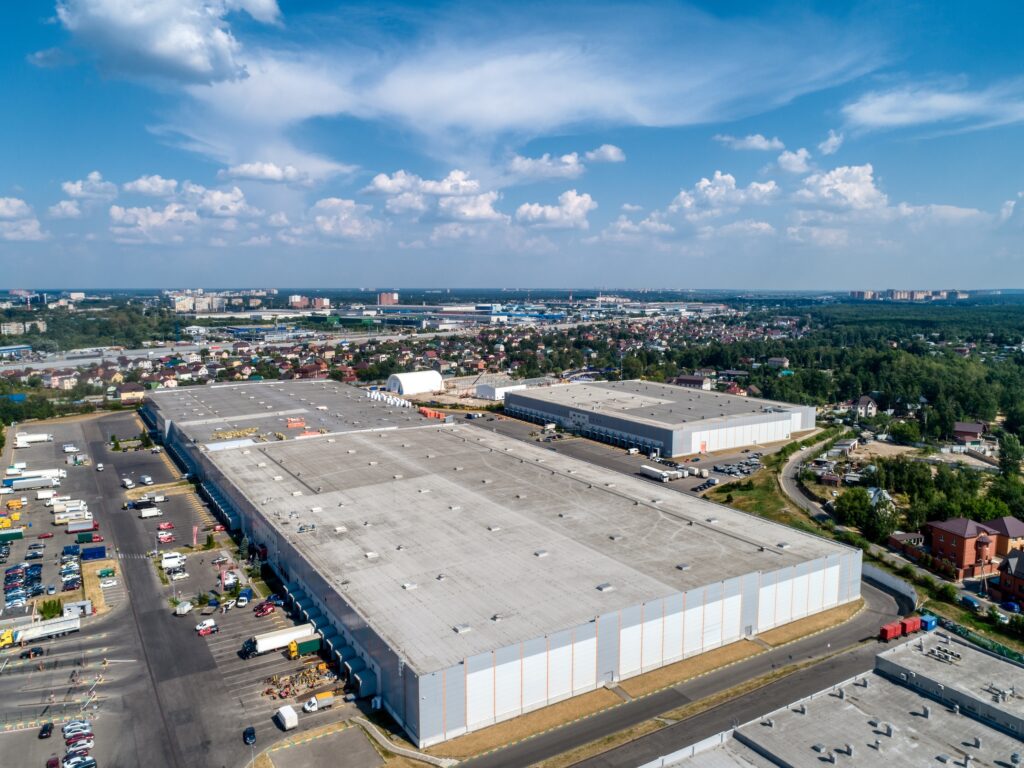
Mountaineer Keystone's cold-storage and distribution operations serving the Kanawha Valley represent the kind of large-footprint Warehouse Roofing challenge that makes Charleston, West Virginia a demanding proving ground for commercial membrane systems. Sitting in a river valley surrounded by the Appalachian foothills, Charleston experiences some of the most challenging weather in the Mid-Atlantic region - heavy snowfall, ice storms that paralyze the city for days, summer heat and humidity, and spring flooding from the Kanawha and Elk Rivers that tests every building envelope component. A warehouse roof in this environment must be engineered with considerably more rigor than the specifications that suffice in milder Mid-Atlantic climates.
Snow load is the primary structural consideration for Charleston warehouse roofs. West Virginia's building code ground snow loads range from 30 to 50 pounds per square foot depending on elevation, and Kanawha County sees ground accumulations that can stress older warehouse structures designed to pre-2000 code standards. Before any re-roofing project on a legacy warehouse, a licensed structural engineer must calculate the total roof assembly dead load combined with the design snow load to confirm that adding new insulation layers does not push the structure beyond its capacity. This review is not optional - it is a prerequisite to obtaining a commercial roofing permit from the West Virginia State Fire Marshal's commercial inspection program.
EPDM has a long and successful track record on West Virginia warehouse roofs because of its cold-temperature flexibility. Charleston's January average temperature hovers near 32°F with frequent drops below 10°F during severe cold outbreaks, and the rubber membrane's ability to remain pliable at these temperatures means that roof maintenance activities conducted in cold weather are far less likely to crack seams or flashings than they would with a thermoplastic membrane. The material's compatibility with coal-tar pitch, which underlies many legacy Kanawha Valley industrial building roofs, also simplifies recover applications where complete tear-off would be cost-prohibitive.
Ice dam formation in Charleston's valley terrain is a real concern for warehouse roofs with complex geometry - multiple drainage slopes, interior valleys, and areas shaded by adjacent taller structures where ice can accumulate preferentially. When ice blocks Roof Drains and Scuppers, the roof becomes a retention pond during the rain-on-ice events that frequently occur in March. An internal drain heating cable system powered by a monitored heat tape controller provides the most reliable drain protection; passive approaches like foam drain inserts are not reliable in sustained multi-day ice events. The drain heating investment is modest compared to the structural load implications of large ice and water accumulations on an older warehouse deck.
Dock penetrations at Charleston warehouses are frequently complicated by the legacy of older industrial construction practices that are common in the Kanawha Valley's manufacturing heritage. Coal tar pitch, asphaltic dampproofing, and asbestos-containing materials may be present in existing roofing assemblies on pre-1980 warehouse buildings, requiring abatement work before new membrane installation can begin. Discovering these materials after a re-roofing project is already under contract and scheduled can create significant cost overruns and schedule delays; a materials sampling investigation before the project bidding phase is a prudent investment that allows abatement costs to be accurately included in the project budget.
Forklift and material-handling exhaust ventilation on Charleston warehouses must handle both the warm-season heat load and the cold-season concern of exhaust condensate freezing in vent stacks and creating ice blockages. Powered exhaust fans installed on insulated curbs with heated intake dampers prevent this problem; uninsulated metal curbs on exhaust fans in West Virginia winters create condensate drip points that can stain and damage stored inventory below. Any warehouse re-roofing project that involves replacing or adding rooftop exhaust equipment should specify cold-weather-rated fan assemblies with insulated curb packages.
Energy codes in West Virginia follow the IECC as adopted by the State Fire Marshal, which has historically been behind the leading code edition but is now aligned with IECC 2018 for new construction and significant renovations. Charleston warehouse owners re-roofing older buildings will typically be required to upgrade insulation to current code minimums as a condition of the commercial permit, which means that insulation cost must be included in any re-roofing project budget for pre-2010 buildings. The Appalachian Power Company's commercial efficiency program offers rebates for insulation upgrades that can partially offset this required cost.
The Charleston commercial roofing market is relatively small compared to major metropolitan areas, which means that the number of qualified large-Warehouse Roofing contractors is limited. Building owners planning major re-roofing projects benefit from beginning the contractor selection and specification process 12 to 18 months before the desired construction start, allowing time for competitive bidding among qualified contractors and material delivery scheduling from regional distributors. Projects that attempt to compress this schedule often end up with a single bid from the only contractor available in the desired timeframe, eliminating the competitive pricing benefit of a properly managed bid process.
West Virginia's commercial insurance market for warehouse properties has become more demanding about roof age and condition documentation in recent years, partly in response to broader national trends in commercial property insurance and partly because of the state's documented hail and windstorm losses. Warehouse owners with roofs approaching or exceeding 20 years of age are increasingly receiving carrier requests for current inspection reports and condition assessments. Proactive roof management - annual inspections, a documented maintenance history, and a capital plan for replacement - is the most effective strategy for maintaining favorable property insurance terms on older warehouse buildings.
What snow load must a Charleston warehouse roof support? Ground snow loads in Kanawha County range from 30 to 35 pounds per square foot in most of the valley, translating to roof design loads of approximately 20 - 25 psf depending on roof geometry after applying the appropriate conversion factors from ASCE 7. A structural engineer should confirm the specific design load for each building before re-roofing projects are designed, as older warehouses built to pre-1990 codes may have been designed to lower standards than current code requires. Is EPDM better than TPO for West Virginia warehouse roofs? EPDM's superior cold-temperature flexibility makes it generally preferable for Charleston warehouse roofs where sub-zero temperatures are not uncommon. TPO is an acceptable alternative when installed by crews trained in cold-weather application techniques, but EPDM has a longer track record in Appalachian climates and a broader local installer base with direct experience on West Virginia warehouse projects. How do I know if my Charleston warehouse has asbestos in the existing roofing? Any commercial warehouse building constructed before 1981 should be assumed to potentially contain asbestos in roofing materials including felts, cements, and some built-up roof surfacing aggregates. A licensed asbestos inspector must collect and analyze samples from the existing roofing system before demolition activities begin. West Virginia DEP and OSHA requirements mandate abatement by a licensed contractor and proper disposal at a designated facility. What permits are required for warehouse re-roofing in Charleston? Commercial roofing projects in Charleston require a permit from the West Virginia State Fire Marshal Commercial Building Inspection program, as West Virginia does not have a statewide building code with local enforcement in all areas. The permit application requires project specifications and may require a structural engineer's certification for projects that add significant insulation load. The State Fire Marshal's office can be contacted directly for current submittal requirements. What roofing maintenance is most important for a Charleston warehouse in winter? The two most critical winter maintenance activities are pre-season drain cleaning and inspection in October before freeze events begin, and post-storm monitoring of drainage performance after major snowfall or ice events. Internal drain heating cables should be tested before the first freeze of the season to confirm they are operational, and roof access should be planned so that trained personnel can safely inspect drainage areas after significant accumulation events.Q&A
Questions about Warehouse and Distribution Center Roofing
What decides the next roof step?
Moisture risk, membrane condition, drainage, access, roof traffic, rooftop equipment, age, warranty language, and building operations all shape the recommendation.
Can the building stay open during the work?
Often yes. The scope needs daily dry-in planning, staging notes, tenant protection, safety controls, and access limits written before field work starts.
What should ownership send before a roof walk?
Useful items include leak photos, prior proposals, roof plans, warranty paperwork, roof age, interior leak locations, and the best contact for roof access.
Related Roof Decisions
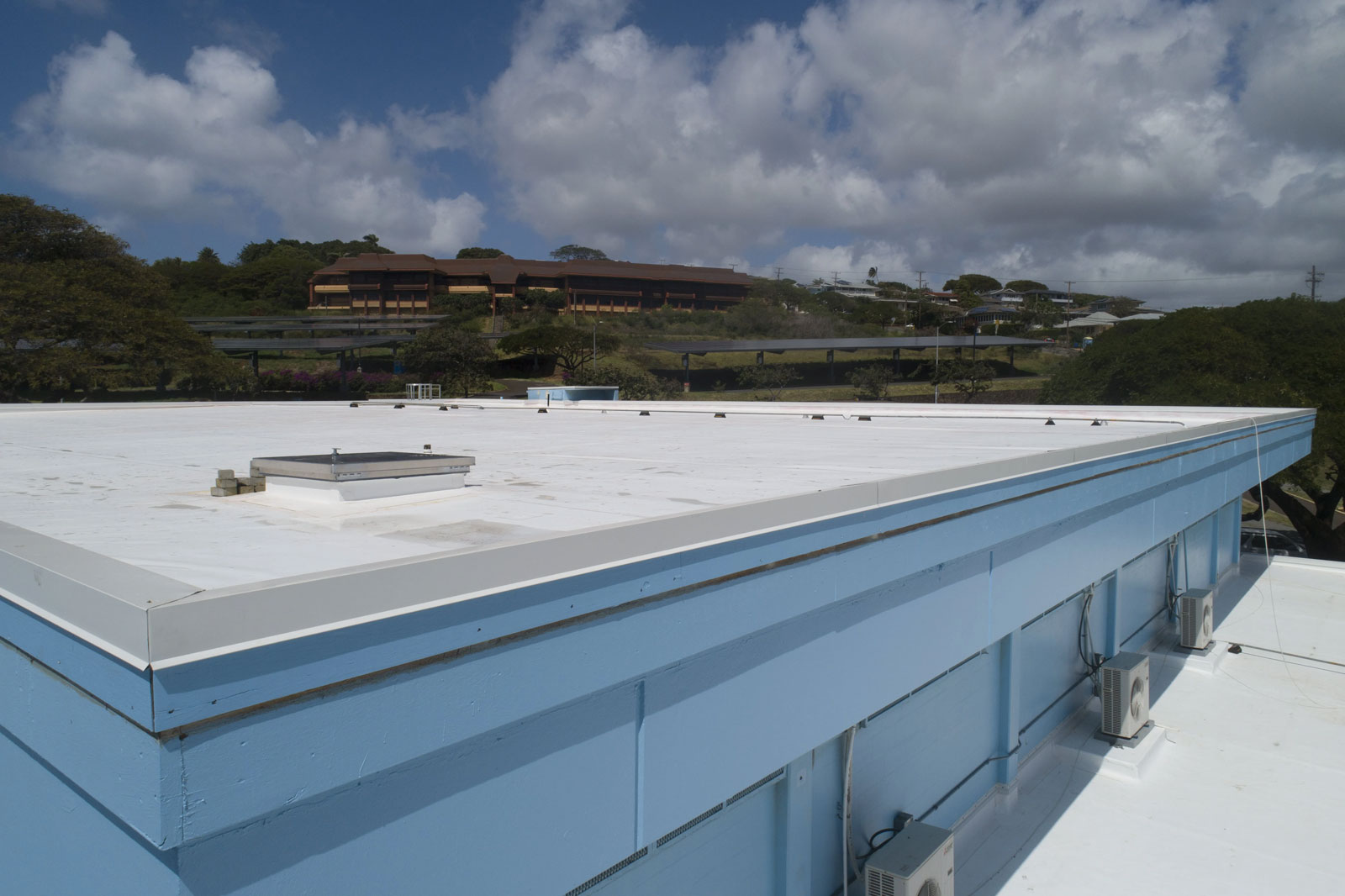
PVC Commercial Roofing in West Virginia
The first clue on PVC Commercial Roofing is often not the leak mark; it is the route water took between I-64 and I-77 split and Sissonville. We trace seams, drains.
→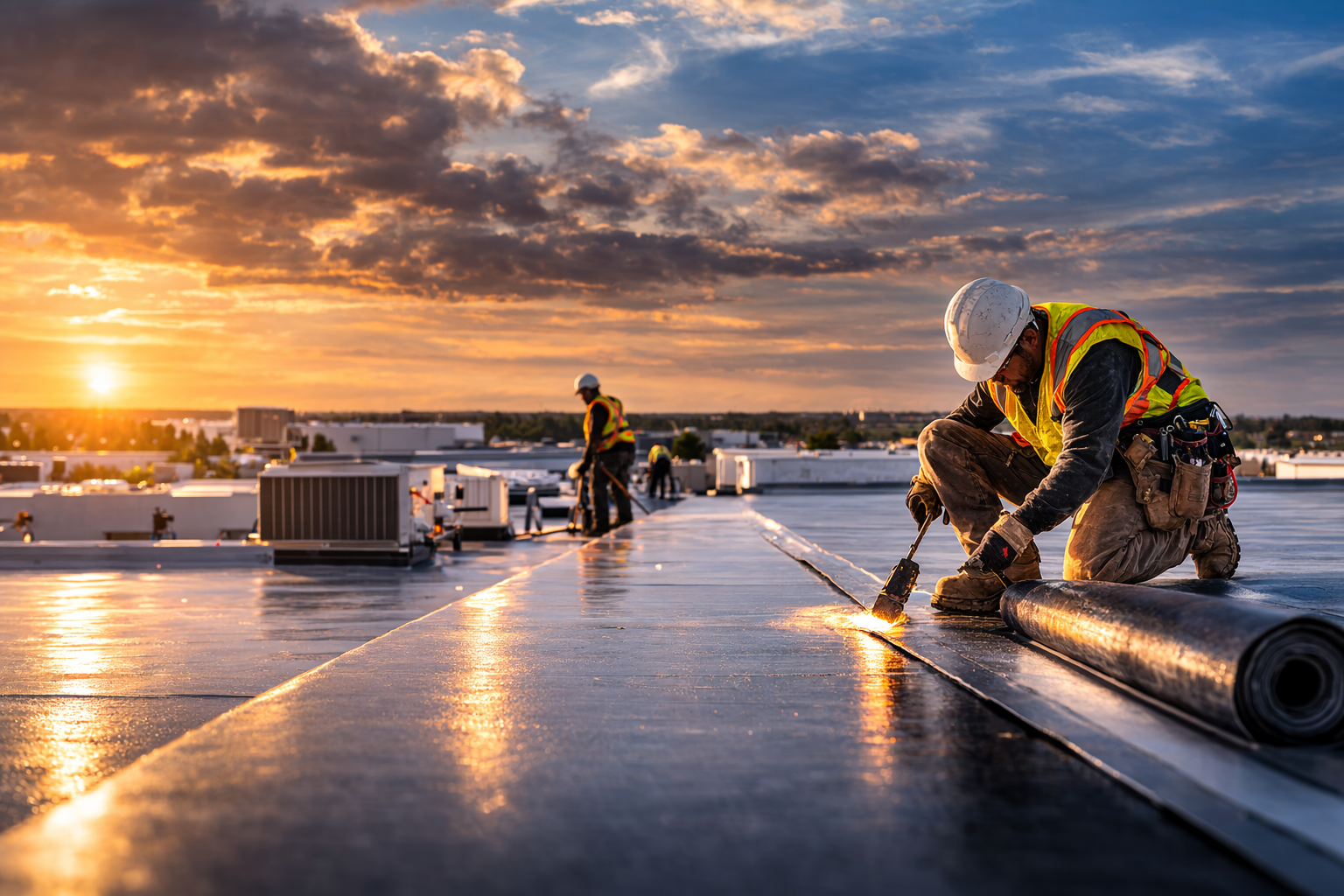
Roof Tear-Off and Replacement in West Virginia
Budgeting Roof Tear-Off and Replacement around CAMC General starts with constraints that are easy to miss from a satellite view. Rooftop units, parapet height.
→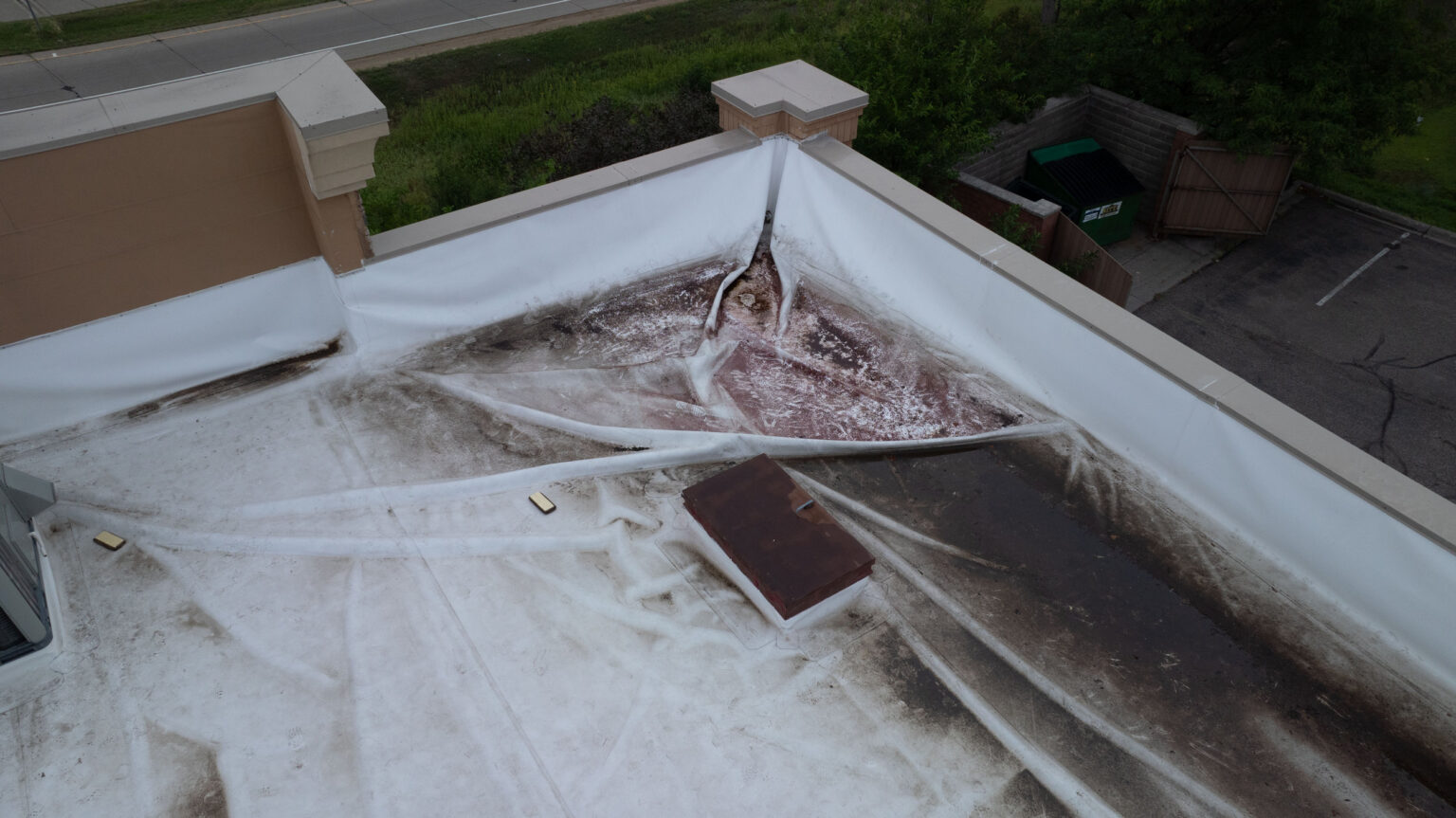
Insurance Claim Coordination in West Virginia
A leaking curb, open seam, or loose coping cap around Elk City tells only part of the story for Insurance Claim Coordination. We still need to see the drain layout.
→
Manufacturing Facility Roofing in West Virginia
Chemours' Washington Works plant near Parkersburg and the broader chemical and mining equipment manufacturing base centered in Charleston and the Kanawha Valley.
→