
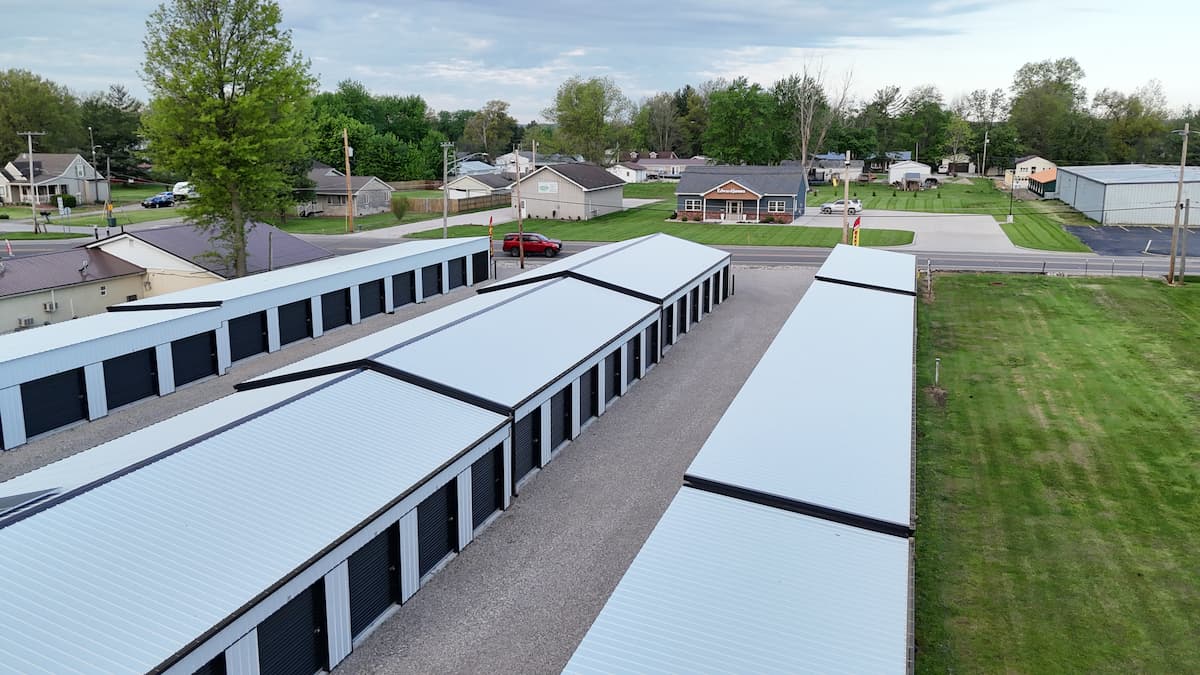
Security Self Storage operates multiple Charleston, West Virginia facilities including a location on MacCorkle Avenue that serves the Kanawha Valley's residential and small business storage market. West Virginia's climate sits at the intersection of Appalachian mountain weather patterns and Mid-Atlantic storm tracks, producing roofing challenges that include heavy snow loads, ice storm events, spring flooding risks in low-lying areas, and a freeze-thaw cycle that is relentless through the extended shoulder seasons. Self-storage operators in the Charleston area who have managed facilities through a West Virginia winter understand that roof maintenance is not discretionary spending.
Snow load is the first roofing engineering consideration for any Charleston self-storage facility. The West Virginia state ground snow load map places the Kanawha Valley in a zone with significant design requirements, and Appalachian weather patterns can deliver wet, heavy snowfalls that accumulate rapidly. Unlike the powder snows of the Rocky Mountain West, Appalachian snowfall often arrives as high-density wet snow that approaches the maximum weight per unit volume. Self-storage buildings designed in earlier decades may have been constructed to load requirements that are now considered inadequate for the observed snow events of the past twenty years.
Ice storms are a particular West Virginia hazard that affects self-storage roofing in ways that snow alone does not. A significant ice storm deposits a solid, heavy sheet across the entire roof surface, adding weight uniformly and then creating a barrier to drainage as temperatures rise. Water trapped beneath the ice sheet against parapet walls seeks penetration paths through any imperfect flashing detail. The combination of weight, trapped water, and thermal cycling that ice storms create is one of the most destructive weather events for flat commercial roofs in the Appalachian region.
SBS-modified bitumen roofing systems are the most appropriate choice for Charleston self-storage facilities in terms of low-temperature flexibility and resistance to ice storm conditions. The rubber modifier in SBS systems maintains membrane flexibility well below freezing, preventing the brittle cracking that can occur with APP-modified or standard single-ply systems during rapid temperature fluctuations. We specify SBS systems with granulated cap sheets for the added slip resistance and UV protection that granules provide, particularly important for roofs that may require snow removal operations.
Drainage design on Charleston self-storage roofs must account for the spring melt and rainfall combination that can overwhelm systems designed only for typical winter snowfall. When a major snowpack melts rapidly during a warm March rain event, the combined runoff volume can exceed the capacity of drain systems sized for rain-only conditions. Overflow scuppers at parapet walls are a critical safety valve in these conditions, and we verify that scupper openings are adequate and unobstructed before every spring inspection on facilities in the Kanawha Valley.
Older self-storage facilities in the Charleston area that were built during the industrial development boom of the 1970s and 1980s often have roofing systems that have been patched repeatedly without comprehensive assessment. Built-up roofing from that era was typically installed with limited insulation by today's standards, and the combination of aged BUR, insufficient R-values, and years of ad hoc repairs creates a roof assembly whose condition and remaining service life are difficult to evaluate without core sampling and moisture surveying. We provide these diagnostic services as a prerequisite to any reroofing recommendation.
Tenant protection during winter roofing work in Charleston requires cold-weather protocols that are both practical and protective of stored goods. We maintain heated material storage areas on-site for adhesives and sealants that have minimum application temperatures, use propane-heated work tents for application areas when ambient conditions require it, and conduct no tear-off work when precipitation is forecast within the next twelve hours. Unit section boundaries maintain finished membrane edges throughout the project, regardless of ambient conditions.
The proximity of many Charleston self-storage facilities to the Kanawha River flood corridor is relevant not just for ground-level flooding risk but for the elevated humidity levels that characterize low-lying sites near moving water. High ambient humidity accelerates moisture infiltration through any membrane imperfection and increases the risk of condensation within the roof assembly. Vapor retarder selection and positioning is especially important on these sites, and we specify assemblies appropriate for West Virginia's mixed-humid climate designation.
Self-storage operators throughout the Kanawha Valley, from Dunbar and Nitro through South Charleston and St. Albans, can request a complimentary commercial roofing assessment. We evaluate snow load capacity, drainage performance, membrane condition, and cold-climate specific failure risks and provide written reports appropriate for capital planning and insurance documentation in West Virginia's demanding weather environment.
How much snow load should a Charleston WV self-storage roof be designed to handle? West Virginia's building code specifies ground snow loads that vary by elevation and location. The Kanawha Valley around Charleston is generally in the 20 to 30 psf ground snow load range, with roof loads calculated from ground loads using code exposure factors. Older buildings designed to earlier codes may be working with lower design thresholds that warrant structural evaluation before harsh winters. What should I do if heavy snow accumulates on my self-storage roof? Monitor accumulation against your building's design capacity and have a snow removal plan in place. Use plastic-bladed snow removal tools to avoid membrane damage, leave two to three inches of snow rather than scraping to the surface, and clear drains first to allow meltwater to evacuate as conditions moderate. If structural concerns arise, contact a structural engineer before roof loading continues to increase. How do ice storms damage flat roofs differently than snow? Ice adds weight uniformly and quickly, and then acts as a barrier trapping meltwater against the membrane as temperatures moderate. That trapped water seeks any imperfect penetration or flashing detail, often producing leaks that appear during the first thaw after an ice event. The weight of ice is also typically greater per unit depth than snow, creating loading conditions that accumulate faster than snow of similar apparent depth. Can a reroofing project be done in winter in Charleston WV? Yes, with appropriate cold-weather protocols. West Virginia winters produce many days with temperatures in the teens and twenties, which require heated material storage, cold-weather-rated adhesives, and heated application environments. Projects are most efficiently scheduled for spring through fall, but cold-weather capabilities are available for operators who cannot defer work. What maintenance should Charleston self-storage operators prioritize before winter? Fall inspection priorities are drain and scupper clearing, penetration sealant condition, perimeter flashing fastener tightness, and parapet cap flashing lap condition. Any open sealant joints or lifted flashing edges should be repaired before the first freeze cycle, as cold temperatures prevent sealant adhesion and make those same repairs far more difficult and expensive once winter arrives.Q&A
Questions about Self-Storage Facility Roofing
What decides the next roof step?
Moisture risk, membrane condition, drainage, access, roof traffic, rooftop equipment, age, warranty language, and building operations all shape the recommendation.
Can the building stay open during the work?
Often yes. The scope needs daily dry-in planning, staging notes, tenant protection, safety controls, and access limits written before field work starts.
What should ownership send before a roof walk?
Useful items include leak photos, prior proposals, roof plans, warranty paperwork, roof age, interior leak locations, and the best contact for roof access.
Related Roof Decisions
Spray Foam SPF Roofing in West Virginia
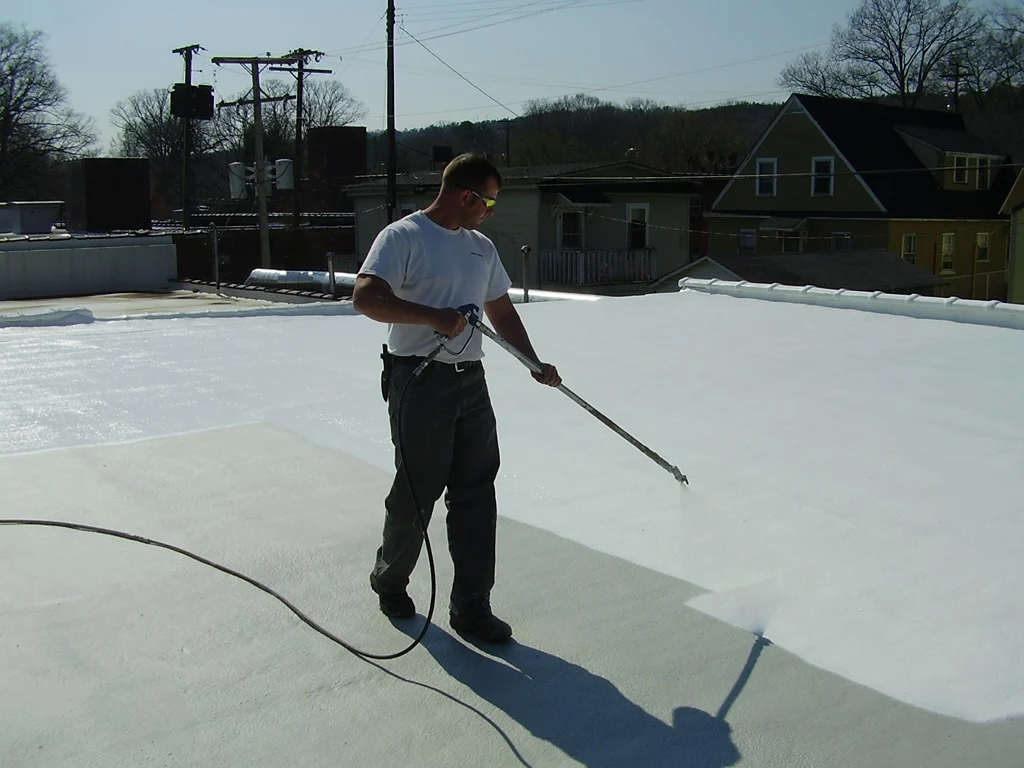
Spray Foam SPF Roofing on a Charleston commercial building has to respect both the roof and the day below it. Around mountain-valley drainage, crews may be working.
→
Storm Damage Roof Repair in West Virginia
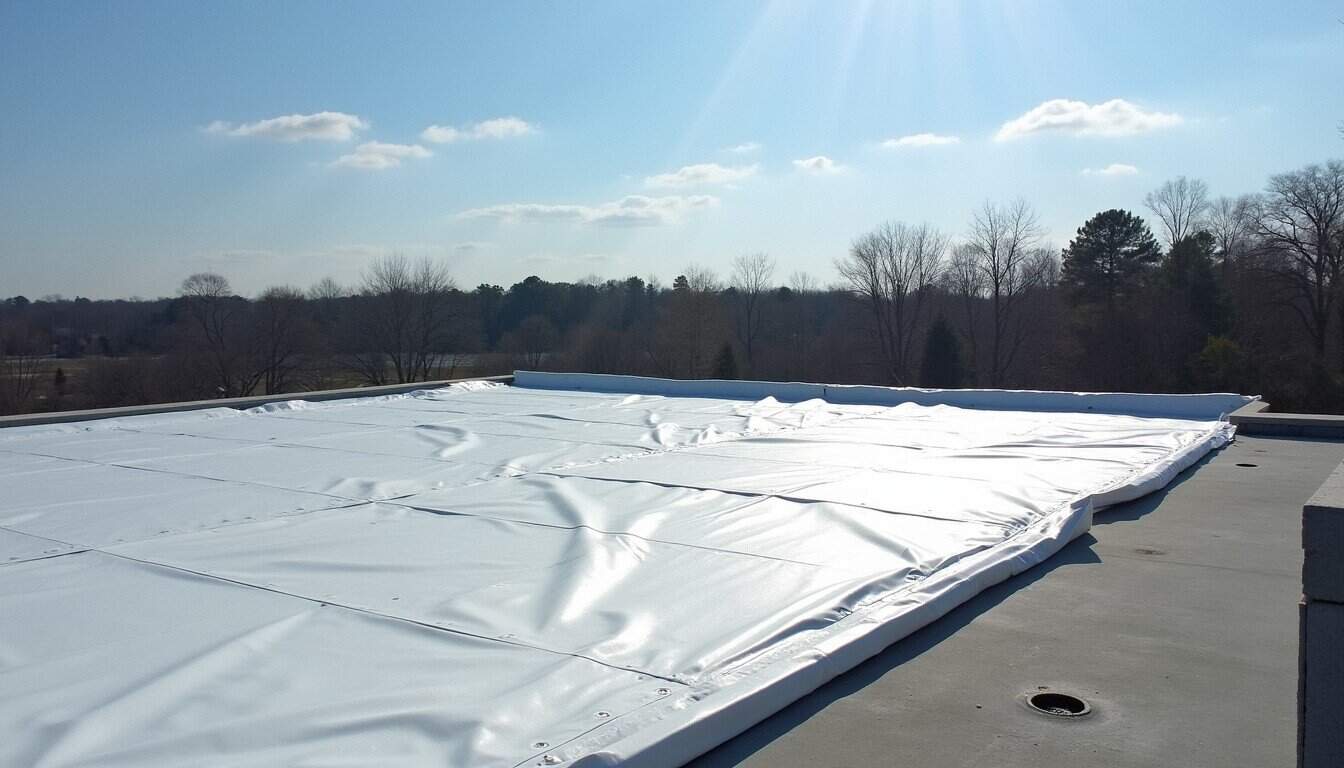
West Virginia's commercial market concentrates in Charleston along the I-64 and US-60 corridors, with significant activity in the Capital Center employment zone.
→
Energy-Efficient Cool Roof Installation in West Virginia
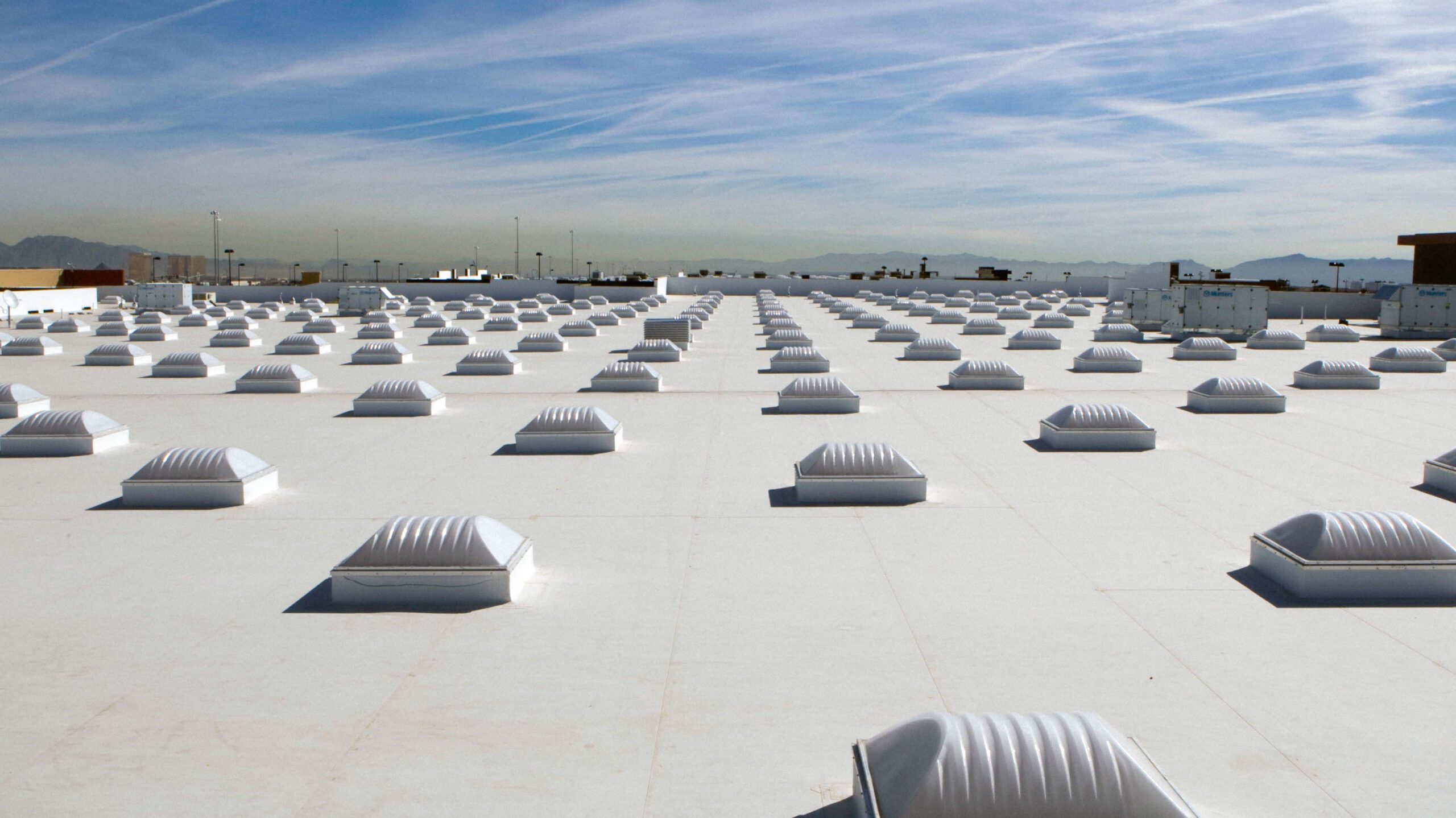
The first clue on Energy-Efficient Cool Roof Installation is often not the leak mark; it is the route water took between Dunbar and Rand. We trace seams, drains.
→
Healthcare Facility Roofing in West Virginia
Charleston, West Virginia anchors the state's primary healthcare corridor, with CAMC Health System operating the largest hospital complex in the state at the.
→