
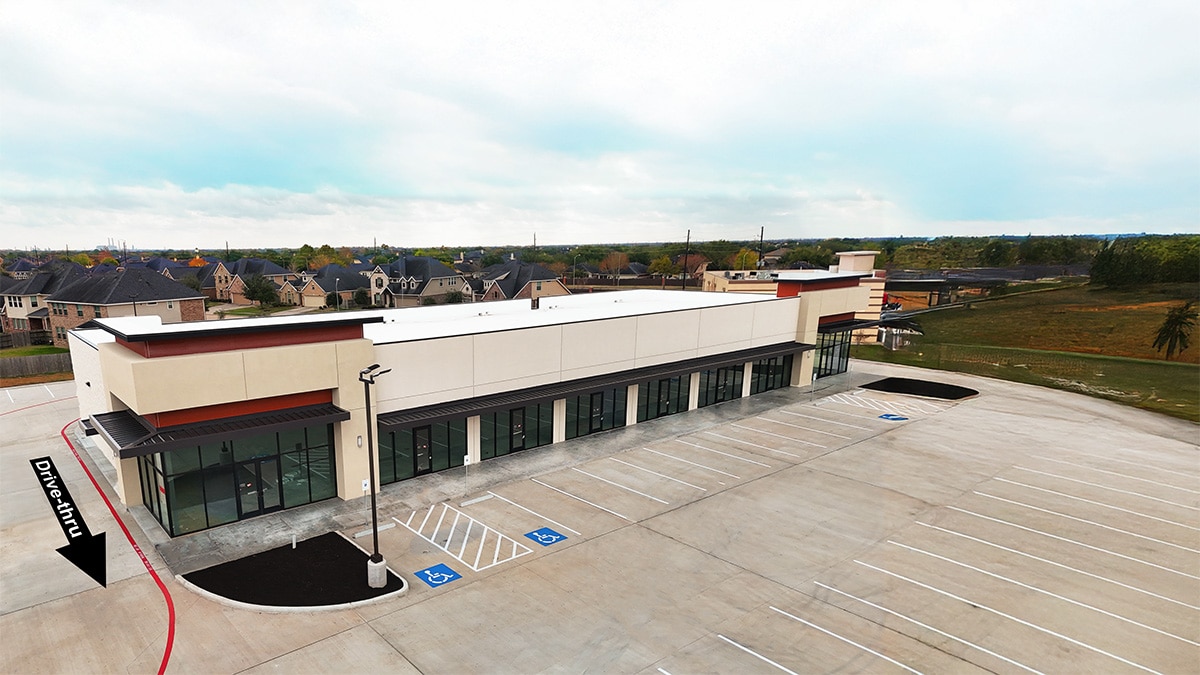
Charleston is West Virginia's largest retail market, and its commercial rooftops face conditions shaped by the Kanawha Valley's geography and weather patterns: significant annual snowfall, aggressive freeze-thaw cycling, high humidity from the river corridor, and the thermal amplification that valley topography creates in both summer and winter extremes. The strip centers along Corridor G, the power retail at the Charleston Town Center mall campus, and the neighborhood centers threading through the St. Albans and Dunbar areas represent a variety of building vintages and roof system types - but they share exposure to the same demanding Appalachian climate that rewards properly engineered roofing systems and punishes shortcuts.
Modified bitumen roofing systems predominate on older Charleston-area retail stock, particularly the strip centers built along MacCorkle Avenue and Washington Street West in the 1980s and 1990s. These systems, when properly maintained, can deliver 20-year service lives - but maintenance is the operative word. The granule-surfaced APP or SBS cap sheets that were installed on those buildings require periodic inspection to identify areas where granule loss has exposed the bituminous binder to direct UV and freeze-thaw damage. We conduct granule density assessments during condition inspections on modified bitumen roofs and provide area maps that distinguish sections requiring targeted repair from sections that can continue operating for another inspection cycle.
Snow load management is a real structural concern in the Kanawha Valley. Charleston averages over 27 inches of snow annually, and wet snow events - the kind that arrive when temperatures are right at freezing - can put 20 or more pounds per square foot on a flat or low-slope commercial roof in a single storm. The older strip centers on MacCorkle Avenue and the one-story retail buildings in the Cross Lanes area were not all engineered to current snow load provisions. We assess structural deck capacity as part of our pre-project evaluation for any building where the existing roof replacement will add insulation weight on top of an already-loaded deck, and we flag structural concerns to the property owner before bidding the roofing scope.
Drainage system performance is especially critical on Charleston retail roofs given the Kanawha Valley's rainfall totals - over 44 inches annually - combined with the potential for rapid snowmelt events that concentrate runoff over short time periods. We size drain systems using the 15-minute design storm intensity for Kanawha County and specify emergency scupper provisions that can manage flows exceeding the primary drain capacity without allowing ponding depths that stress older structural decks. Drain cleaning is built into every maintenance agreement we offer in the Charleston market, with the pre-winter cleaning timed to clear debris before the first freeze locks any obstructions in place.
Energy performance carries significant weight for retail property owners in West Virginia's relatively low-income market, where tenant utility costs can affect lease sustainability for smaller operators. Reflective TPO membranes reduce cooling loads during summer months, and more importantly in this climate, the insulation upgrades that accompany a re-roofing project can reduce heating loads during West Virginia's extended cold season. We model the energy impact of insulation upgrades for retail re-roofing projects on request, using actual heating degree day data for the Charleston area, so property owners can evaluate insulation thickness against energy savings rather than simply meeting minimum code requirements.
The Charleston retail market includes a significant number of properties held by local and regional owners without the institutional property management infrastructure common in larger markets. These owners benefit from roofing contractors who communicate plainly and provide decision support, not just bids. When we conduct a condition assessment on a Corridor G strip center, the report we deliver tells the owner clearly whether they need a full replacement now, whether a targeted repair and coating program extends service life by a defined number of years, or whether a planned replacement in 3 to 5 years with specific interim maintenance actions is the right financial path. We don't write ambiguous reports that force owners to call back to understand what they're looking at.
Retail project work in the Charleston area involves coordination with West Virginia's licensing requirements, which mandate that commercial roofing contractors carry a WV contractor's license and appropriate insurance coverage. We are fully licensed in West Virginia and maintain the insurance levels required by both state law and the standard additional insured provisions in commercial lease agreements and property management contracts. When we submit project documentation to institutional property managers overseeing Charleston-area retail assets from offices in Pittsburgh or Charlotte, the compliance package is already in order.
The freeze-thaw cycling that defines Charleston winters creates a specific vulnerability at parapet walls and counter-flashing details that many contractors underestimate. Water infiltrating behind improperly set counter-flashings freezes, expands, and progressively forces the flashing away from the wall - a process that accelerates each winter without visible surface evidence until the damage is extensive. We use reglet-embedded counter-flashings sealed with polyurethane caulk on all Charleston retail parapet work, and we include parapet counter-flashing inspection in every annual maintenance visit because it is where the first signs of progressive water infiltration typically appear on retail buildings in this climate.
Tenant protection during roofing work on occupied Charleston retail properties requires coordination that matches what larger-market contractors provide. A family-owned hair salon or insurance office in a Kanawha City strip center has the same right to expect minimal disruption as a national chain anchor. We use polyethylene sheeting to isolate interior spaces from noise and dust during open-deck periods, maintain temporary waterproofing capability for unexpected weather, and conduct daily end-of-shift inspections to confirm that no open areas remain exposed overnight. The site lead on every retail project has direct contact with each tenant manager and is responsible for proactive communication rather than responding only to complaints.
What is the biggest roofing threat to Charleston, WV retail properties? Freeze-thaw cycling combined with inadequate drainage is the most common source of progressive roofing failure on Charleston retail properties. Water infiltrating roof assemblies through poorly maintained penetrations or failing counter-flashings freezes during winter cold snaps, expands, and creates pathways for larger volumes of water infiltration the following season. The cumulative damage accelerates over several winters before it becomes visible as interior water staining, at which point the repair cost is typically far higher than early intervention would have been. How does snow load affect commercial roofing decisions in the Charleston area? Snow load is a structural variable that directly affects roofing decisions, particularly on older buildings and when a re-roofing project will add insulation thickness and weight to the existing dead load. We assess structural deck capacity before specifying new insulation assemblies and flag buildings where the combination of snow load, existing roof weight, and new materials approaches the structural system's design limits. In cases where concern exists, a structural engineer review is recommended before proceeding with the roofing project scope. Are there specific roofing products recommended for West Virginia's climate? For new installations and full replacements on Charleston-area retail buildings, we specify TPO membranes with cold-temperature flexibility ratings appropriate for sub-zero winter conditions and heat-welded seams that maintain integrity through repeated freeze-thaw cycles. Polyisocyanurate insulation board with properly placed vapor retarders addresses the condensation management requirements of a heating-dominated climate. Modified bitumen systems with SBS polymer modification are also appropriate for retrofit and re-cover work over existing mod-bit assemblies in sound condition. What maintenance schedule is appropriate for a Charleston retail roof? We recommend twice-annual inspections for Charleston retail roofs - once in late spring after freeze-thaw season ends to assess winter damage, and once in early fall before the first freeze to address any drainage or flashing issues that need resolution before winter. Drain cleaning is included in the fall inspection. Buildings with older modified bitumen systems showing granule loss benefit from an additional spring inspection focused on identifying areas where bituminous binder exposure has reached the threshold requiring coating or patch repair. How long does a commercial roof replacement typically take on a West Virginia retail building? A typical strip mall unit of 5,000 to 15,000 square feet can be fully replaced in 3 to 5 working days under normal weather conditions. Larger anchor stores and full shopping center projects are phased over 2 to 4 weeks, with daily work scope planned to allow temporary waterproofing and tenant access protection at each day's end. Weather delays are common in the Kanawha Valley's variable spring and fall seasons, and project schedules are built with contingency days rather than assuming ideal conditions throughout.Q&A
Questions about Retail and Shopping Center Roofing
What decides the next roof step?
Moisture risk, membrane condition, drainage, access, roof traffic, rooftop equipment, age, warranty language, and building operations all shape the recommendation.
Can the building stay open during the work?
Often yes. The scope needs daily dry-in planning, staging notes, tenant protection, safety controls, and access limits written before field work starts.
What should ownership send before a roof walk?
Useful items include leak photos, prior proposals, roof plans, warranty paperwork, roof age, interior leak locations, and the best contact for roof access.
Related Roof Decisions
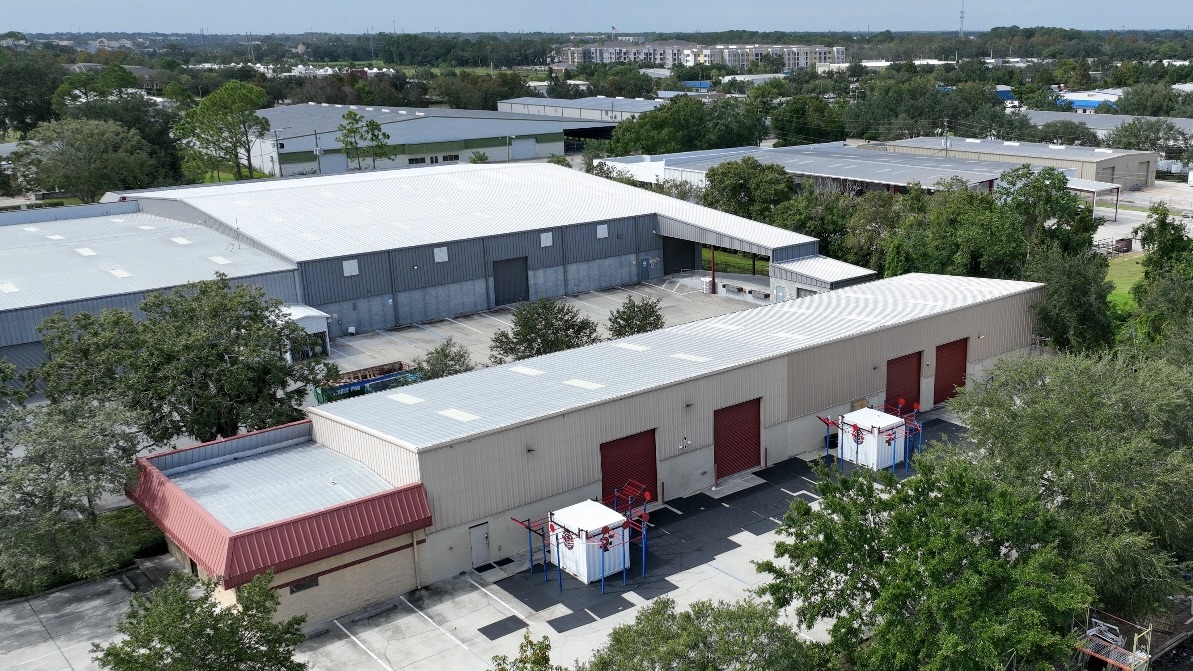
Commercial Roof Inspection in West Virginia
The roof surfaces near Kanawha County and Hurricane often age in different ways, even when the buildings are only a few miles apart. That is why Commercial Roof.
→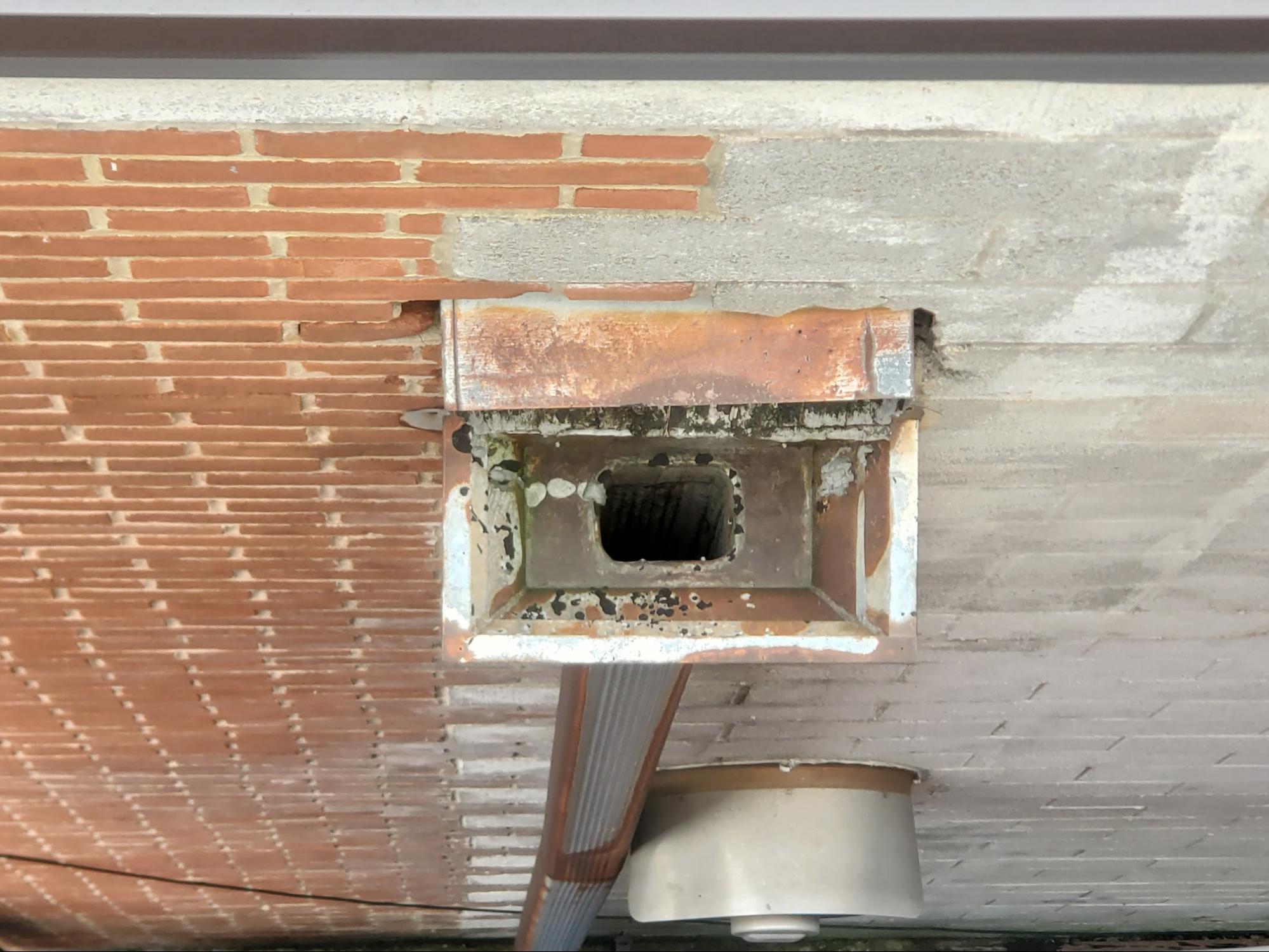
Roof Drains and Scuppers in West Virginia
A roof above West Virginia International Yeager Airport does not get a generic Roof Drains and Scuppers scope from us. We look at how people enter the building, how.
→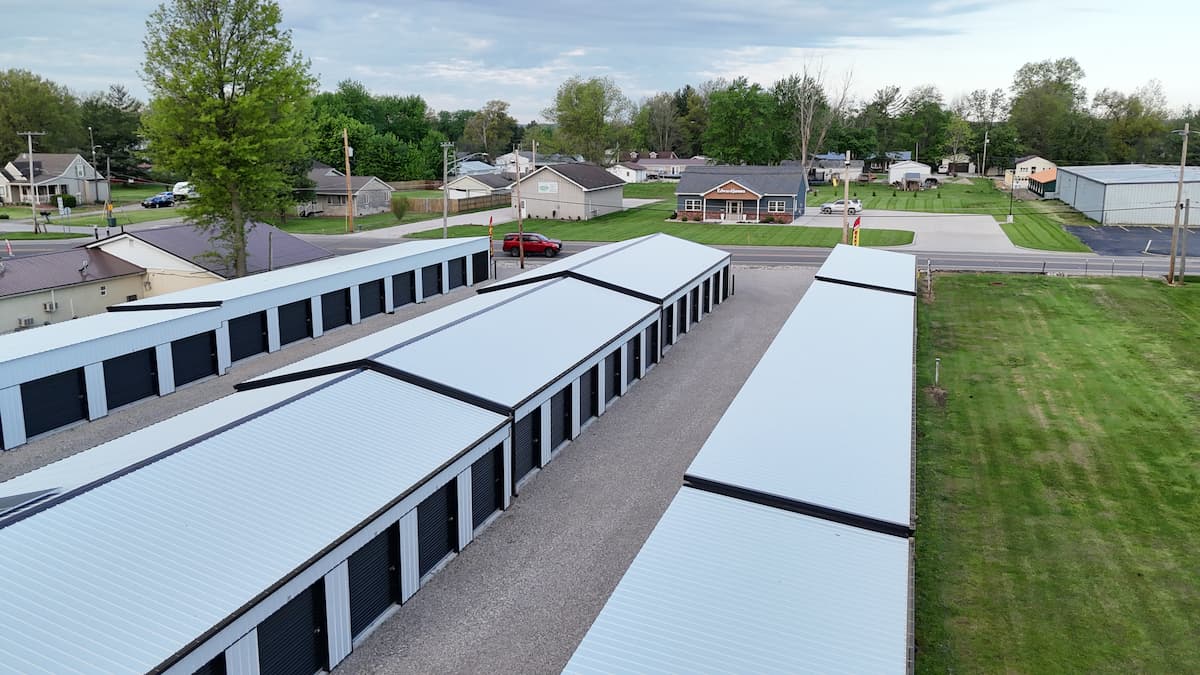
Self-Storage Facility Roofing in West Virginia
Security Self Storage operates multiple Charleston, West Virginia facilities including a location on MacCorkle Avenue that serves the Kanawha Valley's residential.
→
Commercial Re-Roofing in West Virginia
We are usually talking with facility teams comparing Roof Recover and Overlay scope, schedule risk, water control, and budget, so the first visit is grounded in.
→