
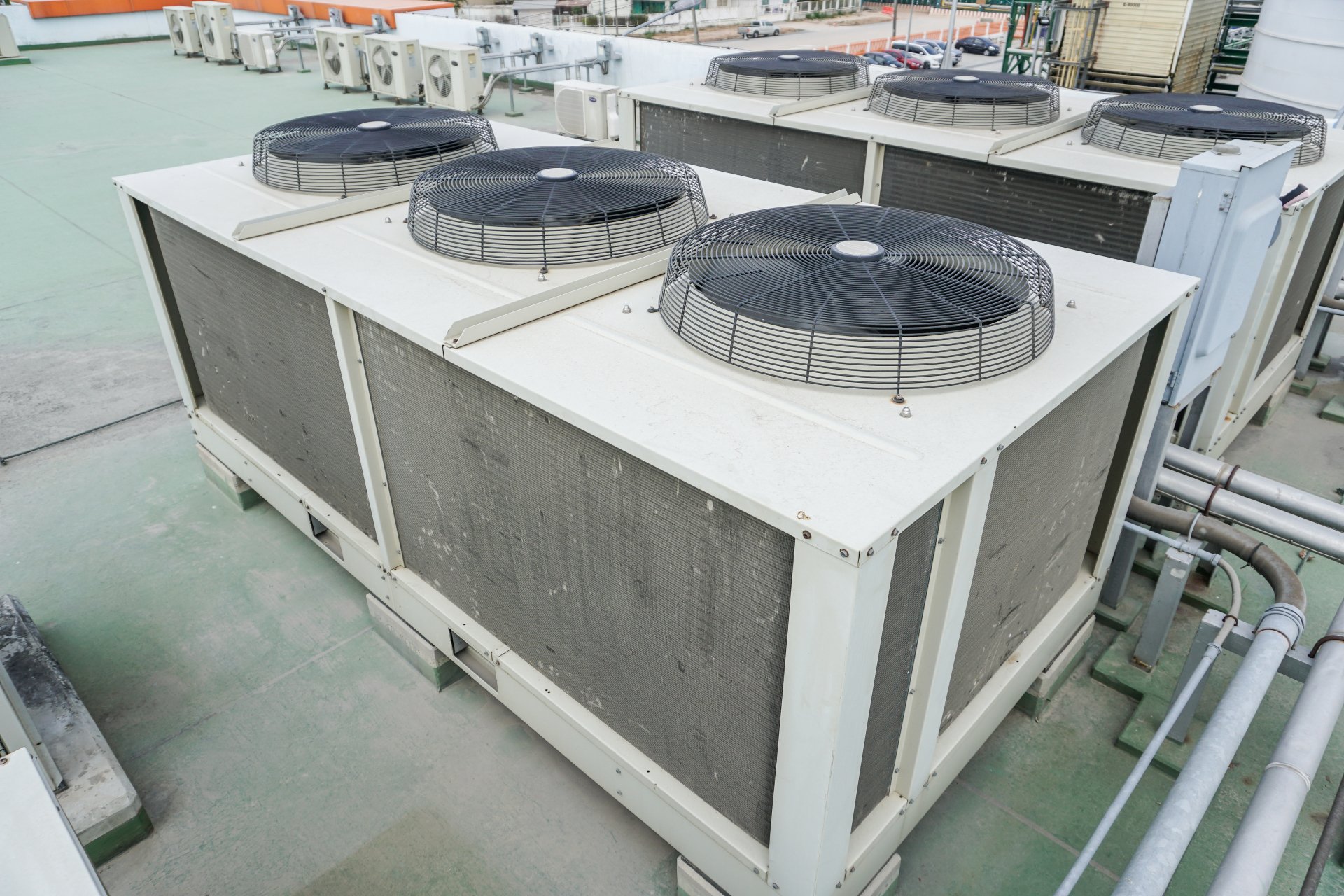
Charleston's restaurant scene stretches from the brick-lined blocks of Capitol Street to the riverside dining spots along the Kanawha, and every one of those kitchens puts serious stress on the roof above it. Grease-laden exhaust vapor from commercial fryers and char-broilers migrates upward through ventilation curbs and settles on membrane surfaces, breaking down adhesives and inviting ponding water. Our crews work almost exclusively with TPO and PVC single-ply systems on food-service buildings because their heat-welded seams hold up to the chronic grease exposure that degrades cheaper adhesive-set flashings within a season or two.
The West Virginia climate throws everything at a rooftop: ice storms roll through the Kanawha Valley in January, summer thunderstorms drop two inches of rain in under an hour, and the freeze-thaw cycling that runs from November through March is punishing on any seam or penetration that isn't properly detailed. Restaurants are especially vulnerable because walk-in cooler units installed on the roof create persistent condensation zones where moisture can wick under flashings if the curb-to-membrane connection isn't sealed with the right materials. We retrofit and replace those curb details as a standard part of every restaurant re-roof in the Charleston area.
Quick-service restaurants along US- corridor - think the cluster of national QSR brands near Kanawha City - tend to run their HVAC and exhaust equipment hard year-round. That continuous operation heats the rooftop membrane directly below RTU curbs and exhaust fans, creating thermal cycling that fatigues standard flashings faster than on a typical office building. PVC membranes resist plasticizer migration under sustained heat better than older EPDM systems, which is why we lean toward 60-mil PVC on buildings with a high density of rooftop penetrations.
Health code compliance is not an abstract concern on a restaurant roof. The West Virginia Bureau of Public Health expects kitchen ventilation systems to operate without obstruction, and a failed flashing around an exhaust curb can allow rainwater to enter the ductwork, creating contamination pathways that trigger violations during inspections. We document every penetration before and after installation, providing photo records that owners can present to health inspectors or insurance adjusters as evidence of a properly installed, watertight system.
Downtime is money in the restaurant business, and a full roof replacement on a busy Charleston location has to be scheduled carefully. We typically phase work around slower weekday lunch windows or overnight shifts, coordinating with kitchen managers so no exhaust fan is out of service during a dinner rush. Our crews are trained to reinstall operational equipment - exhaust fans, make-up air units, refrigeration condensers - at the end of each shift so the kitchen can open the next morning without interruption.
The brewing industry has taken root in Charleston, with taprooms in the East End and along Virginia Street drawing steady evening crowds. Brewery roofs face a unique combination of stressors: grain dust from malt handling, steam exhaust from brew kettles, and the vibration of large refrigeration compressors running on curbs. All of that points toward a mechanically fastened TPO system with reinforced field seams, which distributes the thermal and mechanical loads more evenly than a fully adhered system on a roof with heavy rooftop equipment.
Sit-down restaurants in older Capitol Street buildings often have rooftop decks that are decades old, sometimes covered with multiple layers of legacy materials. Before we ever propose a system, we core-cut the existing assembly to measure moisture saturation and confirm deck condition. Wet insulation in a restaurant setting holds bacteria and accelerates corrosion of steel decking, so we never cap over saturated material - full tear-off and deck inspection is the only responsible approach when cores show more than trace moisture.
Grease exhaust flashing is the single most common failure point we see on Charleston restaurant roofs. Standard pitch-pocket flashings around exhaust penetrations get saturated with aerosolized grease, become brittle, and crack within three to five years. We replace those with prefabricated stainless-steel grease-rated curb collars heat-welded directly into the TPO or PVC field, which provides a continuous bond that grease cannot penetrate and that won't crack under the thermal cycling common to a working kitchen exhaust stack.
West Virginia restaurant owners dealing with a leaking roof in the middle of a busy season don't have the luxury of waiting weeks for a proposal. We carry material inventory locally and can typically begin emergency stabilization work within 48 hours of an assessment, followed by a permanent repair or phased re-roof once the kitchen is protected. Our crews are licensed in West Virginia and carry the liability and workers' compensation coverage that landlords and franchise operators require before any work begins.
Why does grease buildup cause so many roofing failures on Charleston restaurants? Aerosolized grease from kitchen exhaust systems lands on membrane surfaces and works into seams and flashings, degrading adhesives and accelerating UV breakdown. Over time the saturated flashing material cracks and allows water infiltration directly through penetrations. Stainless-steel grease-rated curb collars welded into the membrane field eliminate this failure mode entirely. How do you protect walk-in cooler curbs from moisture intrusion in West Virginia winters? Condensation from refrigeration equipment creates a persistent wet zone at the curb-to-membrane junction, and freeze-thaw cycling forces that moisture under standard flashings. We install insulated curb extensions and heat-weld the membrane up and over the curb cap to create a monolithic water barrier. A termination bar and sealant detail at the top of the curb provides the final line of defense against capillary wicking. Can you replace a restaurant roof without shutting the kitchen down? Yes - we phase work in sections and schedule the most disruptive portions, like exhaust fan disconnections, during off-hours or slow shifts. Each working section is made watertight before the crew leaves for the day, and operational equipment is reinstalled at shift's end. We coordinate directly with kitchen managers to ensure no health-code-required ventilation is interrupted during service hours. What membrane system do you recommend for a high-volume fast-food location on US-60? We typically specify 60-mil PVC for high-traffic QSR locations because it resists plasticizer loss under the sustained heat generated by dense rooftop equipment. Heat-welded seams provide a bond stronger than the membrane itself, which is critical on buildings with numerous exhaust and HVAC penetrations. PVC also cleans more easily than EPDM if grease accumulation requires maintenance washing. How does moisture in old roof insulation affect a restaurant's health code compliance? Saturated insulation under a kitchen roof can harbor mold and bacteria that enter the building through HVAC penetrations, creating air-quality violations. It also accelerates corrosion of steel decking, which can eventually compromise structural integrity above the kitchen. We always core-cut before proposing a replacement system, and we recommend full tear-off whenever cores show significant moisture saturation.Q&A
Questions about Restaurant and Food Service Building Roofing
What decides the next roof step?
Moisture risk, membrane condition, drainage, access, roof traffic, rooftop equipment, age, warranty language, and building operations all shape the recommendation.
Can the building stay open during the work?
Often yes. The scope needs daily dry-in planning, staging notes, tenant protection, safety controls, and access limits written before field work starts.
What should ownership send before a roof walk?
Useful items include leak photos, prior proposals, roof plans, warranty paperwork, roof age, interior leak locations, and the best contact for roof access.
Related Roof Decisions
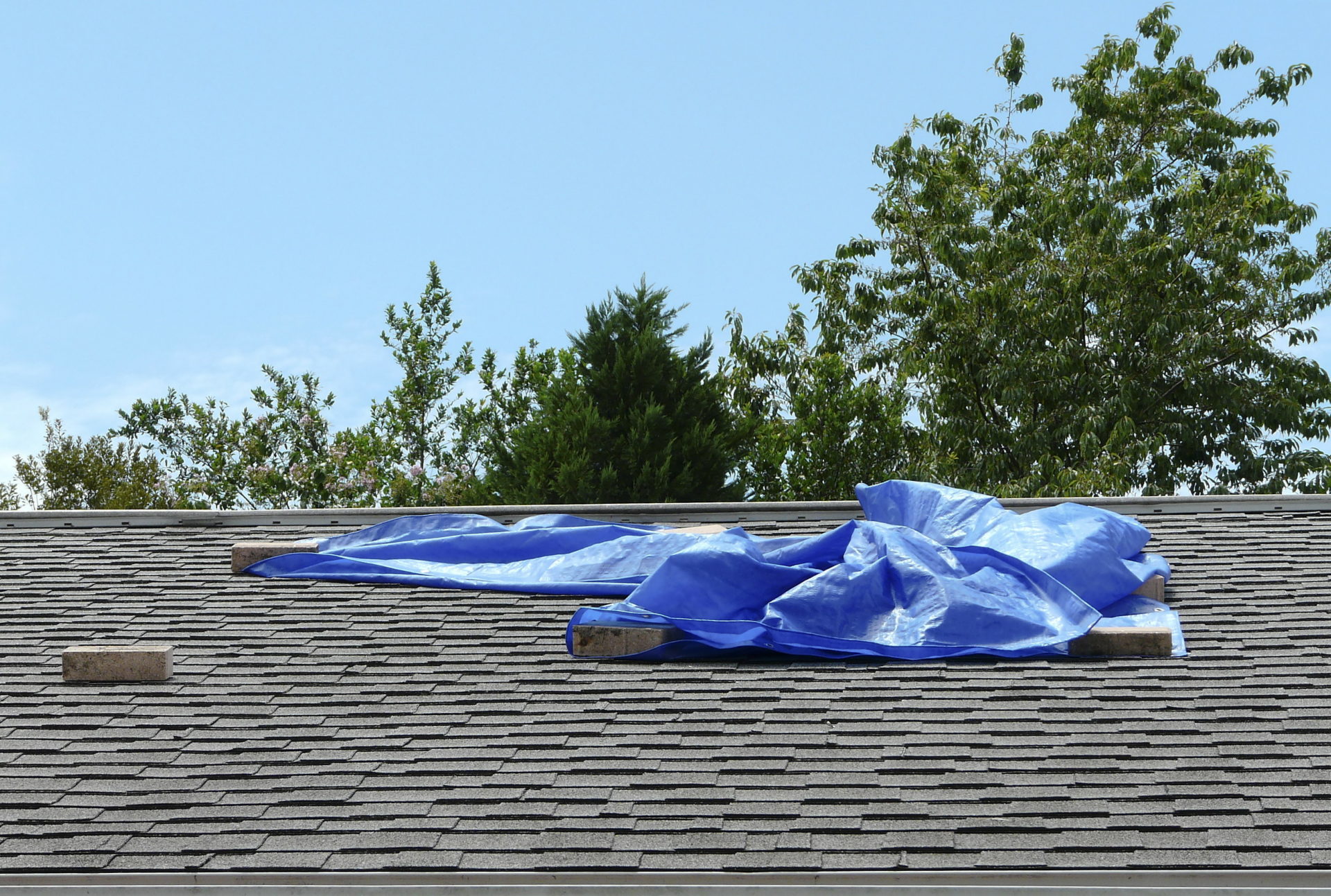
Commercial Roof Leak Repair in West Virginia
The roof surfaces near Chelyan and West Virginia Regional Technology Park often age in different ways, even when the buildings are only a few miles apart. That is.
→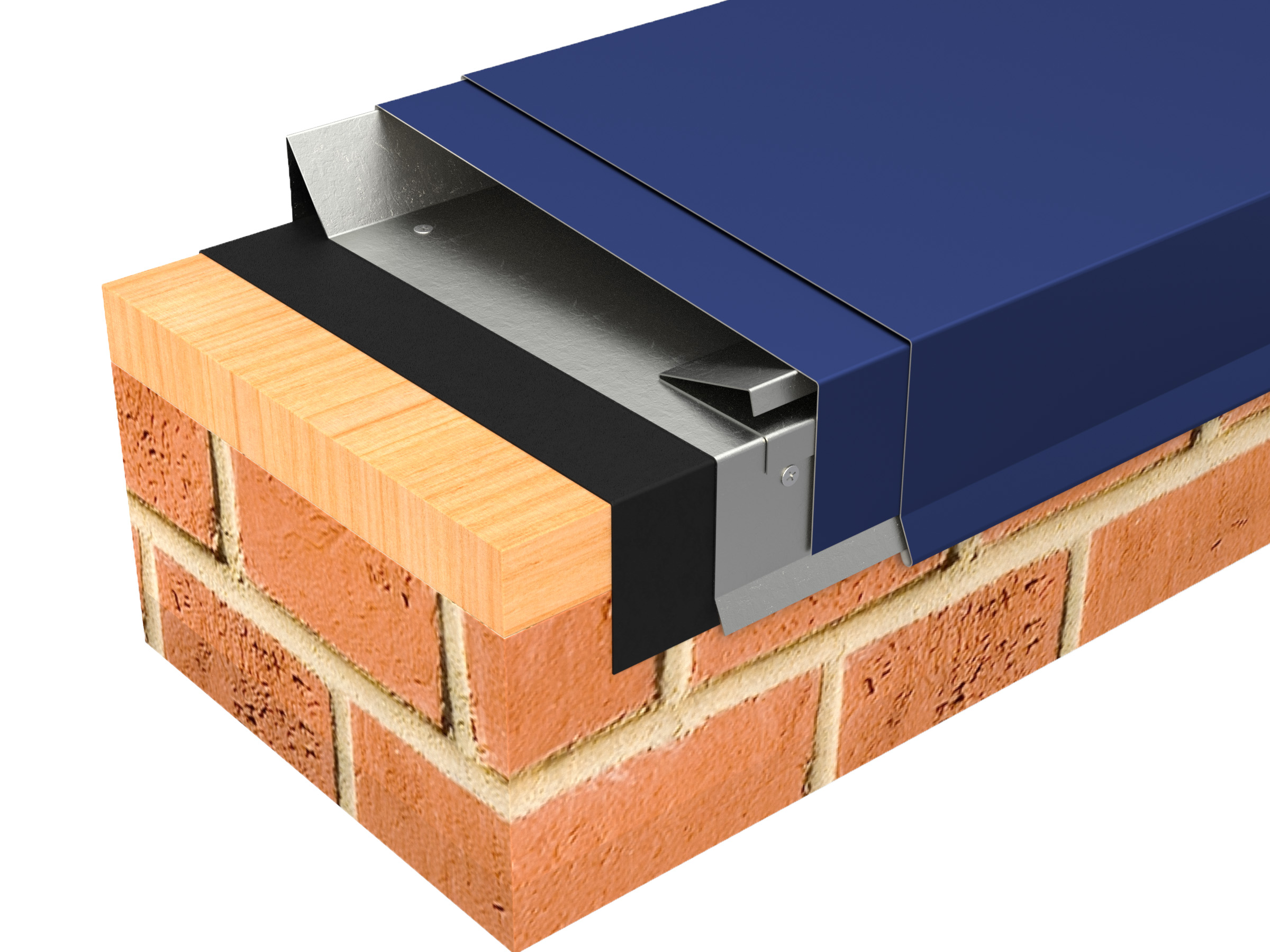
Edge Metal, Coping, and Gutters in West Virginia
Chelyan is the kind of local condition that changes Edge Metal, Coping, and Gutters from a product conversation into a roof-asset decision. We check whether water.
→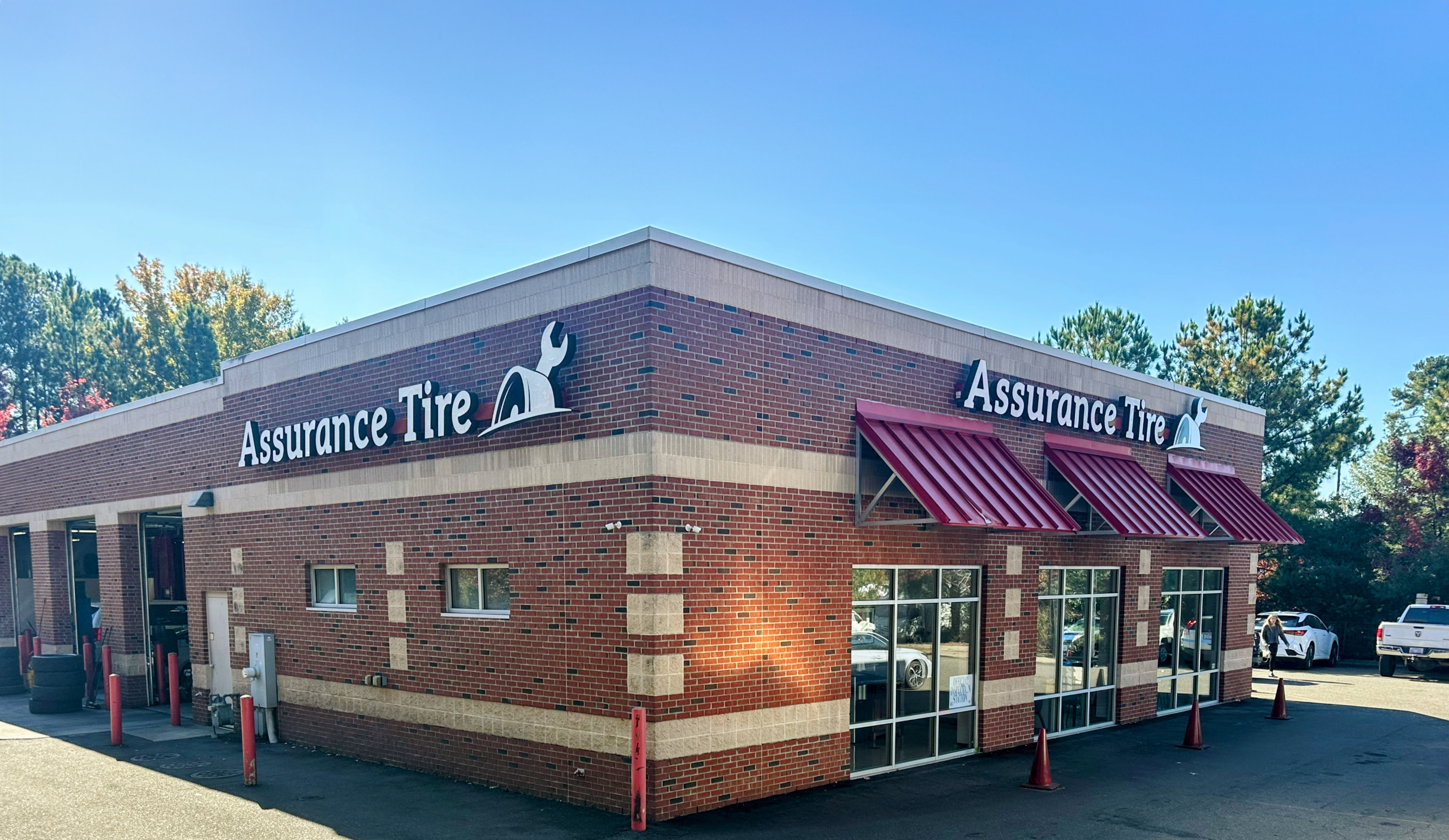
Auto Dealership Roofing in West Virginia
Cox Automotive-affiliated dealerships, along with independent groups like Broh Automotive serving the Kanawha Valley, operate vehicle sales and service facilities.
→
Mixed-Use Development Roofing in West Virginia
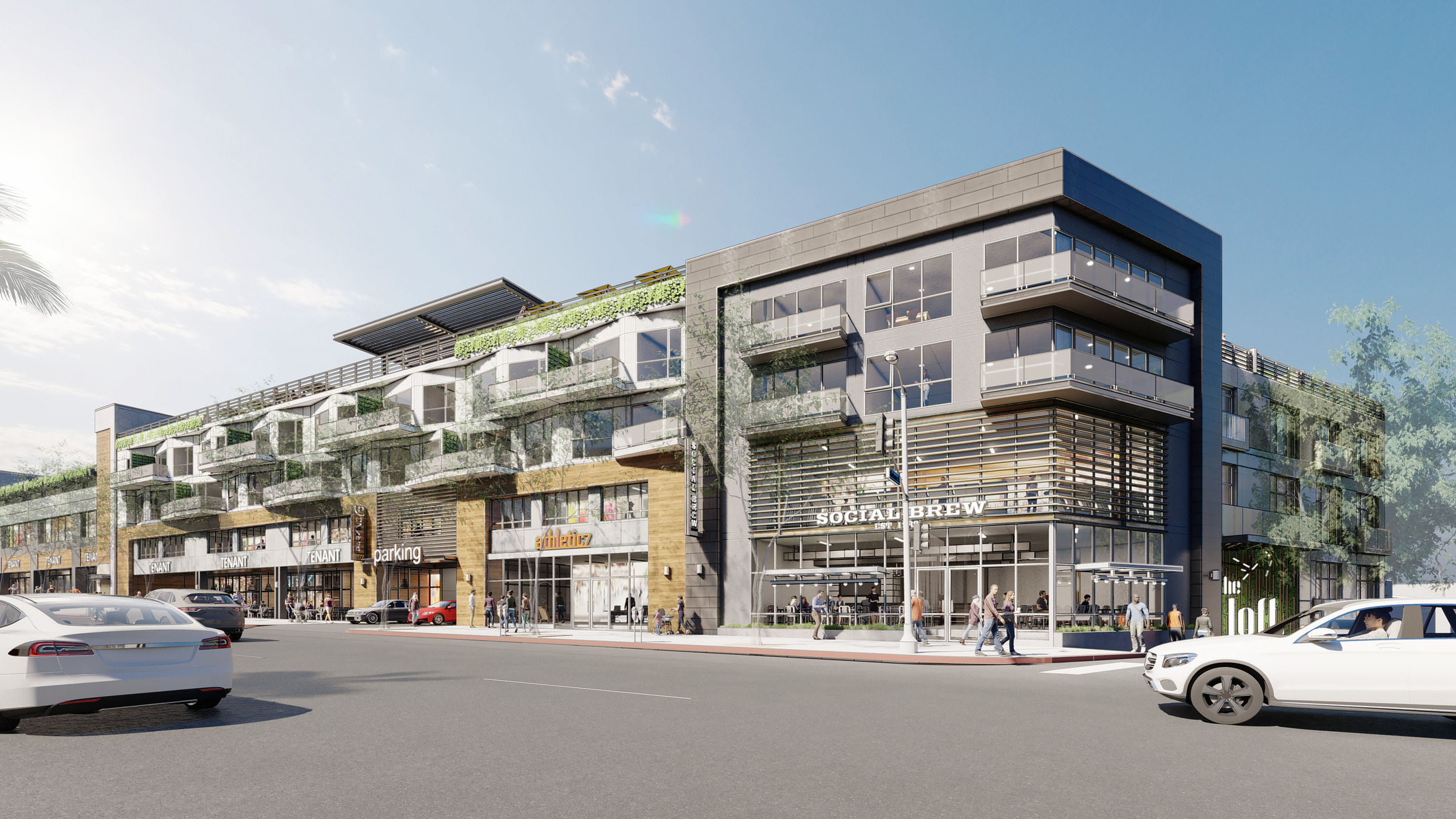
Charleston's position as West Virginia's capital and largest city makes it the focal point for the state's most ambitious mixed-use redevelopment efforts, with the.
→