
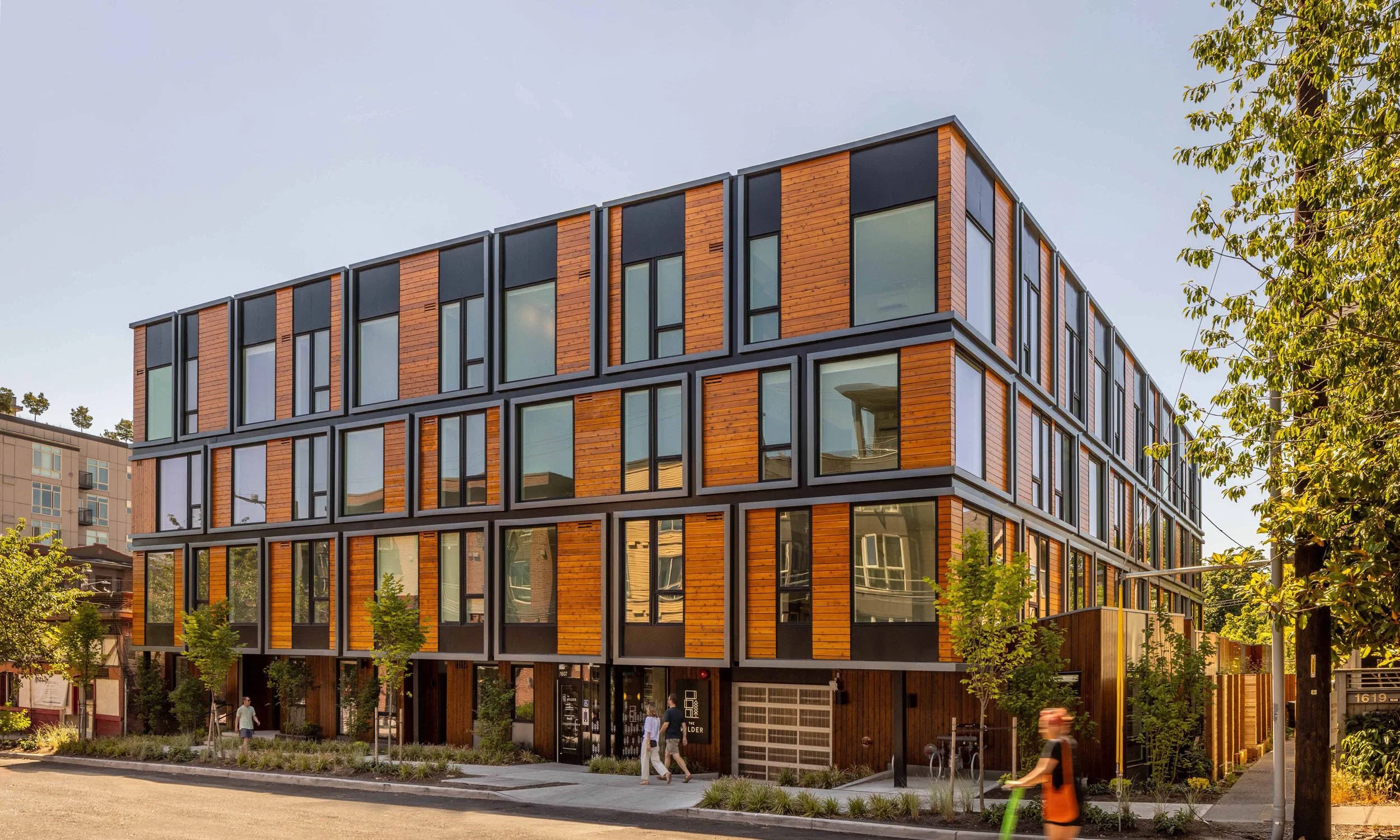
Charleston, West Virginia's multifamily housing market reflects the economic complexity of a state capital that has weathered decades of energy sector volatility while maintaining a stable core of government employment, healthcare, and education. Apartment communities throughout the Kanawha Valley, from the older brick walk-ups in the South Hills neighborhoods to the garden-style complexes along US-60 in Dunbar and Institute, represent a housing inventory that ranges widely in age, construction quality, and current condition. Property managers and real estate investors in the Charleston area understand that the Appalachian climate imposes serious demands on building envelopes, and roofing is where those demands show up most directly in operating costs.
West Virginia's mountain climate in and around Charleston creates a roofing environment that combines high annual precipitation, significant seasonal temperature swings, and regular freeze-thaw cycling that tests every component of a commercial roofing system. The Kanawha Valley receives over 40 inches of rainfall annually, and winter precipitation comes in every form - snow, sleet, freezing rain, and rain-on-ice - with rapid temperature changes that stress membrane seams and flashing transitions. Multifamily building owners in the Charleston area who approach roofing maintenance reactively will consistently find themselves managing interior water damage claims in spring that could have been prevented by fall inspection and repair.
The older apartment stock in Charleston neighborhoods like the West Side, Elk City, and the Capitol Street corridor was built during periods when roofing materials and installation standards were far less sophisticated than what is available today. Built-up roofing systems from the 1960s through the 1980s, many of which have been patched repeatedly by different contractors over decades, now present complex assemblies with multiple layers of deteriorated material that are difficult to evaluate without exploratory investigation. Property managers inheriting these buildings from prior owners often have incomplete records about what was installed and when, making a thorough third-party assessment an essential first step before any roofing work begins.
HOA communities in Charleston's residential corridors - including the growing suburban developments in Cross Lanes, Sissonville, and St. Albans - deal with governance structures that require board approval for capital expenditures, creating windows during which roof deterioration continues while the approval process runs its course. Experienced commercial roofing contractors who work regularly with Kanawha County HOA management companies understand how to provide the condition documentation and cost justification that boards need, and how to differentiate between conditions that require immediate emergency action and those that can appropriately wait for a regular board meeting cycle.
Real estate investors who have acquired multifamily properties in Charleston's value-add submarkets, often buying from sellers who managed through the lean years of West Virginia's economic contraction, frequently discover that roofing and mechanical systems were the first capital expenditures to be deferred. In a market where rents have not historically supported aggressive capital investment, the accumulated deferred maintenance on a roofing system can represent a six-figure liability hidden beneath a surface that looks weathertight from a casual visual inspection. Thermal imaging surveys and core sampling during due diligence are not luxuries - they are the instruments that reveal what a roof actually contains.
Snow and ice management is a practical operational concern for apartment complex owners throughout the Charleston area. Winter weather events that combine heavy snow with subsequent freezing rain create ice dam conditions at roof eaves, parapet walls, and scuppers that can force water under membrane edges and through flashing transitions on even well-maintained systems. Property managers at large apartment complexes in the Kanawha Valley benefit from pre-winter inspections that confirm drainage pathways are clear, edge metal is properly secured, and no obvious vulnerabilities exist at the penetration flashings that will be tested by ice dam conditions during the coldest months.
The healthcare and government employment base that anchors Charleston's economy supports a relatively stable apartment rental market, and institutional property owners who have assembled multifamily portfolios in the region benefit from the predictability that stability provides. But stable markets also produce complacency about capital maintenance, and roofing systems that are allowed to age past their effective service life - even gradually, with annual patch repairs that keep the leaks at bay - ultimately present a much larger replacement cost than a planned replacement would have. Commercial roofing contractors who work with Charleston-area property managers on lifecycle cost analysis rather than simply responding to service calls provide genuine long-term value to portfolio operators.
New apartment development in Charleston has been concentrated in areas like the East End, near the medical complex powered by CAMC and WVU Medicine, where healthcare employment supports demand for quality workforce housing. These newer buildings, primarily constructed with TPO and modified bitumen roofing systems over the past fifteen years, are approaching the point where first-generation maintenance investments - resealing penetrations, addressing isolated membrane deterioration, ensuring drainage systems are clear and functional - are warranted. Establishing a commercial roofing maintenance relationship before problems become active leaks is the asset management discipline that protects these newer properties as they age.
West Virginia's construction workforce has been affected by outmigration and the challenges that accompany economic contraction in a resource-dependent state, and finding qualified commercial roofing labor in the Charleston market can be more challenging than in larger metropolitan areas. Multifamily property owners should evaluate prospective roofing contractors not just on price but on crew quality, training documentation, and retention - a contractor whose crew turns over frequently between projects cannot maintain consistent installation quality. Investing in a commercial roofing relationship with a stable, experienced firm pays dividends through better-performing installations and more reliable service response over the life of the roofing system.
What are the most common roofing failures on Charleston, WV apartment buildings? The most common issues in the Kanawha Valley multifamily market are parapet cap flashing failures that allow water into wall assemblies, deteriorated penetration flashings around HVAC units and plumbing vents, and failed seams or lap joints on aging modified bitumen or built-up systems. Ice dam conditions during freeze-thaw cycles accelerate all of these failure modes, making fall inspection and maintenance particularly important. How should a West Virginia HOA fund a major roof replacement on a community building? West Virginia HOA associations should maintain dedicated capital reserve accounts funded through regular owner assessments, with reserve studies updated periodically to reflect actual roof conditions and current replacement costs. Associations without adequate reserves face the difficult choice between special assessments, which create hardship for owners on fixed incomes, or short-term financing that adds interest cost to an already significant capital expenditure. Are there weather windows in Charleston, WV that are best for commercial roofing work? Late spring through early fall - roughly May through October - represents the best scheduling window for commercial roofing projects in the Charleston area, offering the combination of dry weather probability, moderate temperatures, and daylight hours that support quality installation. Winter roofing work is possible but adds complexity and cost due to cold-temperature adhesive and membrane performance requirements. How does the age of a Charleston apartment building affect the approach to roof replacement? Buildings constructed before the 1990s often have multiple layers of roofing materials applied over the original deck, and code requirements typically limit the number of recovers allowed before a full tear-off is required. The condition of the roof deck itself - which may show deterioration from decades of minor leaks - must be assessed during tear-off and damaged sections replaced before new materials are installed. What should property managers in Charleston, WV look for when vetting a commercial roofing contractor? West Virginia contractor licensing verification, documented experience on multifamily commercial projects of comparable size in the region, current general liability and workers' compensation certificates, and references from property managers at similar apartment communities are the baseline requirements. Contractors who can provide manufacturer certification for the specific products they propose to install demonstrate a level of professional commitment that translates into better-performing installations.Q&A
Questions about Multifamily and Apartment Building Roofing
What decides the next roof step?
Moisture risk, membrane condition, drainage, access, roof traffic, rooftop equipment, age, warranty language, and building operations all shape the recommendation.
Can the building stay open during the work?
Often yes. The scope needs daily dry-in planning, staging notes, tenant protection, safety controls, and access limits written before field work starts.
What should ownership send before a roof walk?
Useful items include leak photos, prior proposals, roof plans, warranty paperwork, roof age, interior leak locations, and the best contact for roof access.
Related Roof Decisions
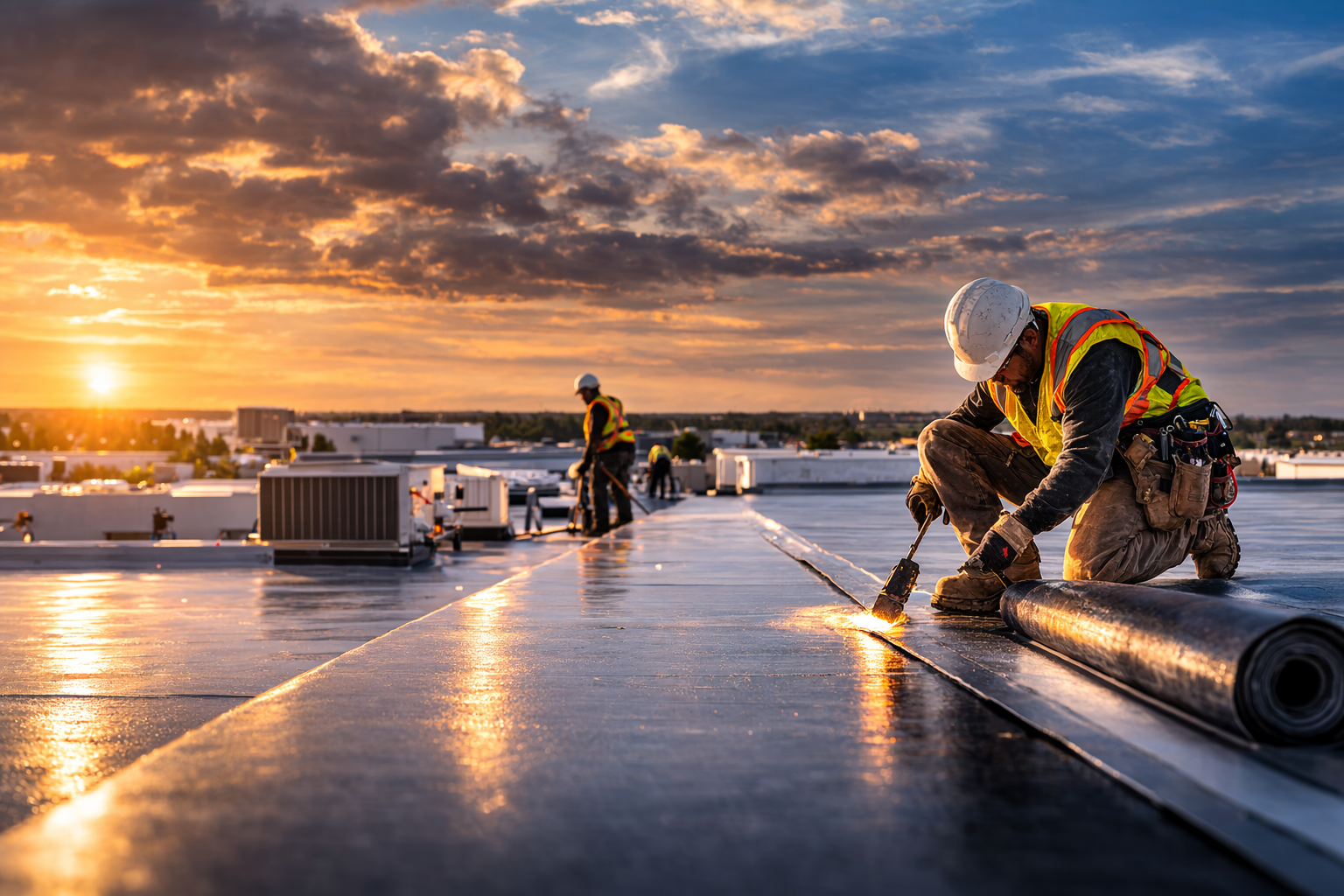
Roof Tear-Off and Replacement in West Virginia
Budgeting Roof Tear-Off and Replacement around CAMC General starts with constraints that are easy to miss from a satellite view. Rooftop units, parapet height.
→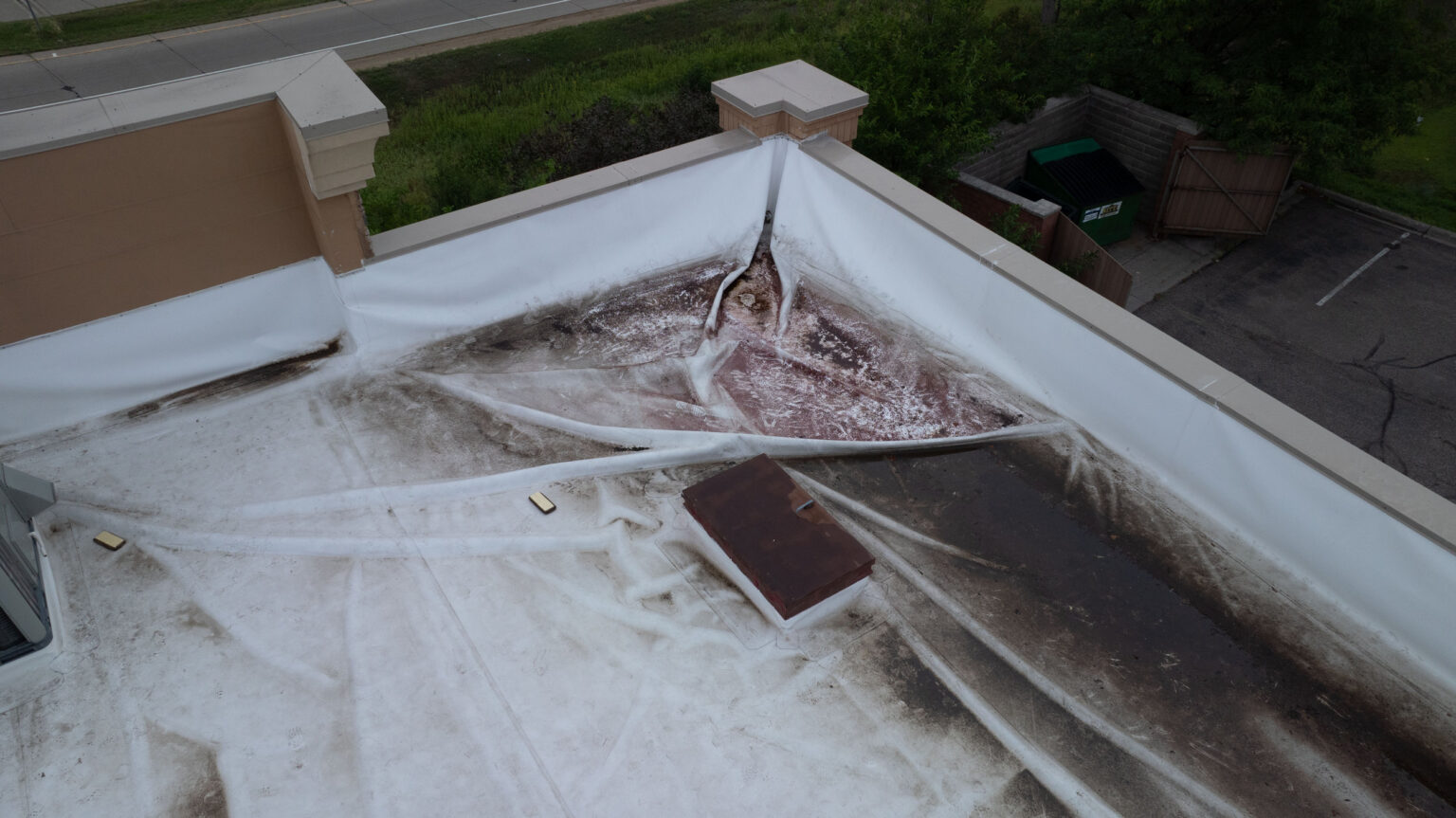
Insurance Claim Coordination in West Virginia
A leaking curb, open seam, or loose coping cap around Elk City tells only part of the story for Insurance Claim Coordination. We still need to see the drain layout.
→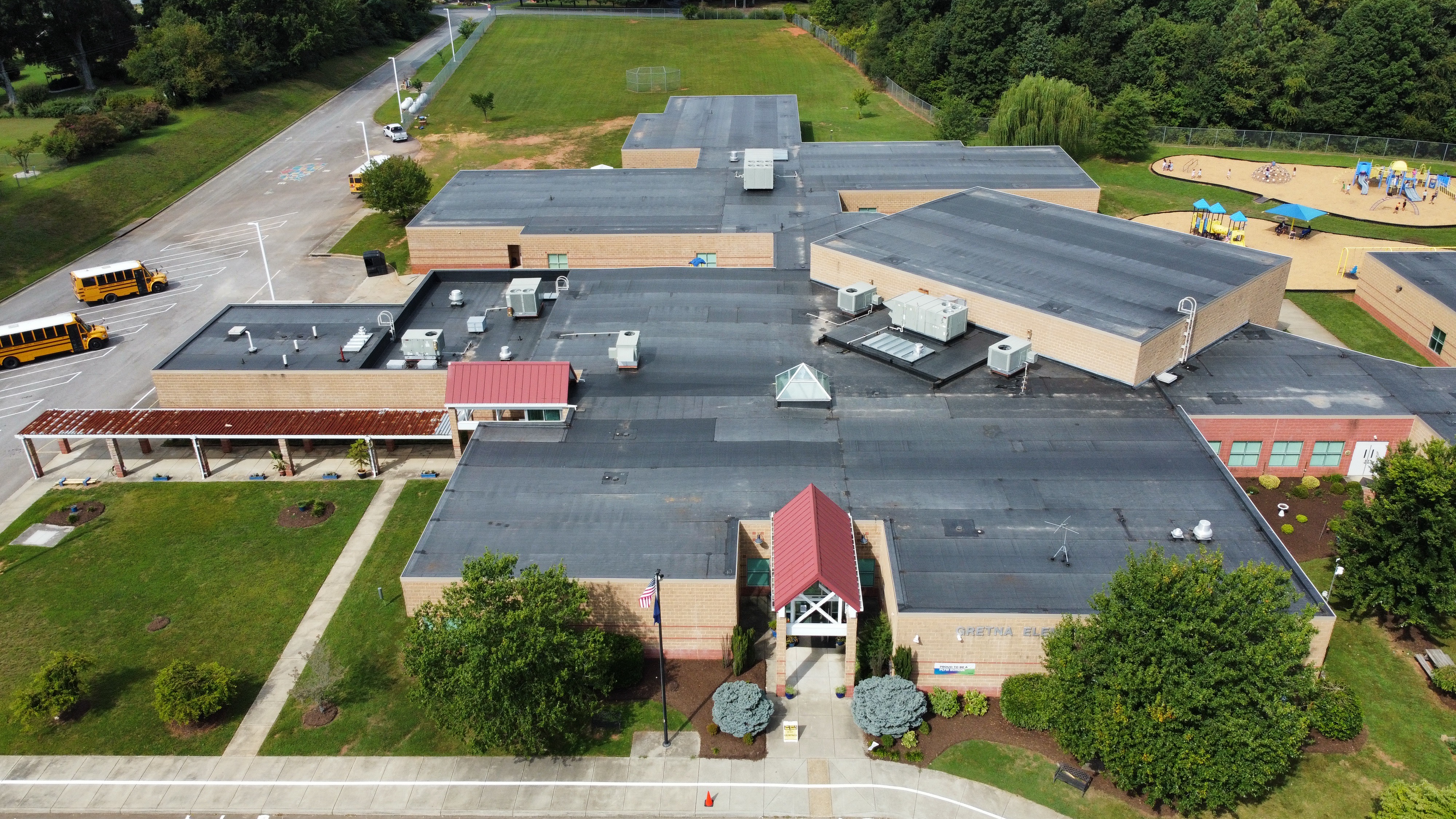
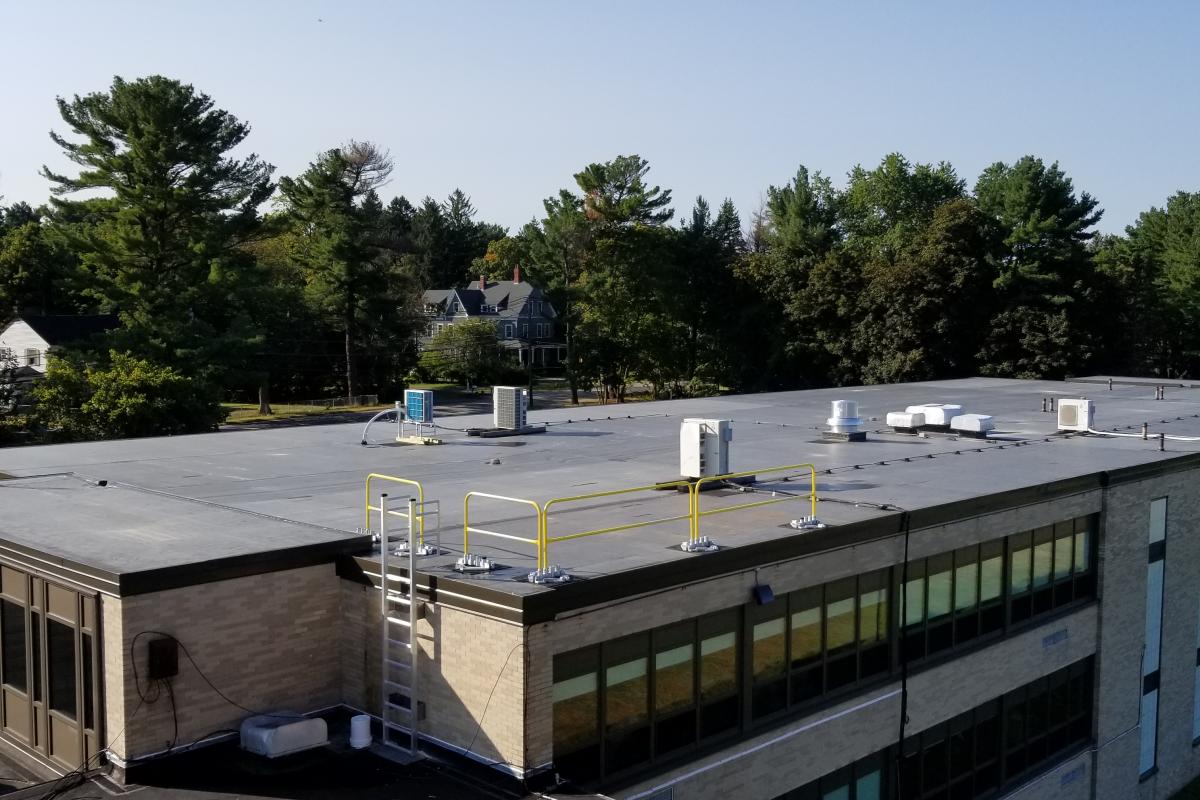
School and K-12 Educational Building Roofing in West Virginia
Kanawha County Schools, the largest school district in West Virginia serving over 27,000 students across more than 50 campuses in and around Charleston, faces.
→
Government and Municipal Building Roofing in West Virginia
Charleston serves as West Virginia's capital and its largest city, concentrating an unusually dense collection of state government buildings, Kanawha County.
→