
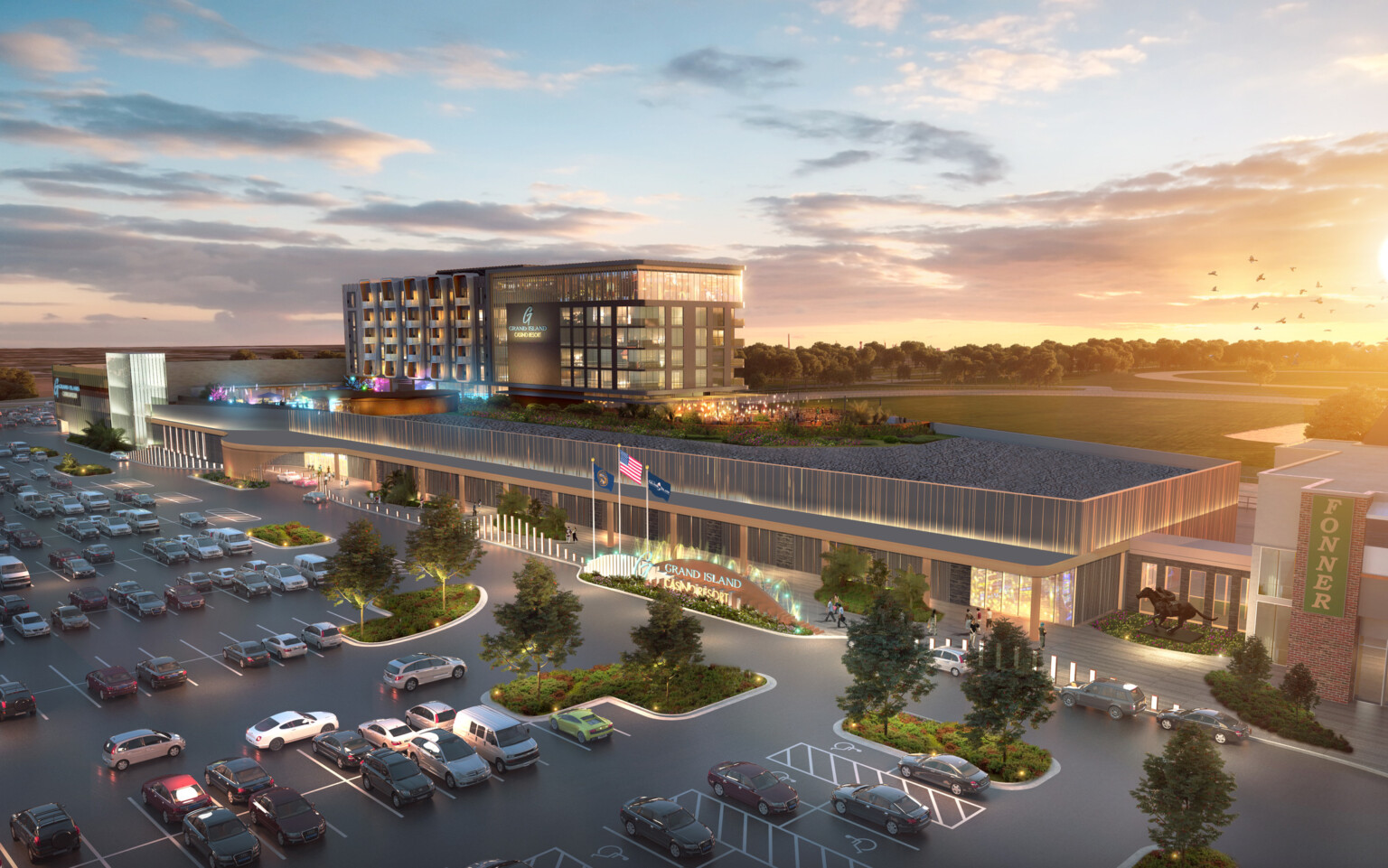
Charleston, West Virginia's hotel market reflects the city's dual identity as the state capital and the commercial hub of a region undergoing economic transition. The full-service properties near the Charleston Civic Center and the Elk River waterfront serve state government events, WVU Medicine conferences, and the corporate travelers who come for the energy sector work that still anchors much of the regional economy. The growth of the Clay Center for the Arts and Sciences as a regional cultural destination and the Appalachian Power Park's minor league baseball calendar add leisure demand to a market that was historically almost entirely driven by government and business travel. For hotel operators managing assets in this environment, deferred maintenance is a particular risk - the capital replacement cycle in a mid-sized market like Charleston does not have the same cushion that higher-ADR coastal markets provide.
West Virginia's climate sits in a demanding middle zone between the Deep South and the Great Lakes region. Charleston receives an average of 34 inches of snowfall annually, enough to create meaningful roof load stress on low-slope hotel roofs during heavy events, while summer humidity and temperatures in the upper 90s create the UV and moisture stress typical of Mid-Atlantic climates. Freeze-thaw cycling is the primary mechanical stressor on Charleston hotel roofing systems, with temperature transitions across the 32°F threshold occurring dozens of times between November and March. Membrane systems that accommodate this cycling through maintained flexibility - fully adhered TPO and EPDM - consistently outperform systems that rely on granule surface protection alone.
Property improvement plans for Charleston's flagged hotel properties under brands including Marriott, Hilton, and Radisson often carry greater urgency than in larger markets because the ownership groups managing these assets typically have fewer properties and less financial buffer for unplanned capital expenditure. When a PIP requires roofing work, the scope needs to be executed correctly the first time - there is no runway to redo inadequate work before the brand conducts its follow-up inspection. Our crews deliver documented, brand-standard roofing scopes with the manufacturer warranties and installation records that PIP coordinators require, giving ownership groups the evidence they need to close their PIP items cleanly.
Snow load management is a critical consideration for Charleston hotel roofs that is sometimes underweighted by contractors more familiar with warmer climates. The combination of a heavy snow event followed by a rain-on-snow event - a pattern that occurs in the Kanawha Valley - can deposit combined loads on a hotel roof that exceed the design capacity of older structures. Proper drainage design, including clear scuppers and overflow drains sized for these scenarios, is essential. We assess roof drainage adequacy as part of every pre-project survey and recommend tapered insulation additions where slope toward drains is inadequate to handle the melt and rain combinations that West Virginia winters produce.
Hotel pool enclosures and indoor aquatic areas are significant assets for Charleston properties competing in a market where the guest experience must compensate for a smaller destination footprint than competing markets offer. An indoor pool that is consistently comfortable and well-maintained is a genuine differentiator for a Charleston hotel, and the roofing system above that pool - managing both waterproofing and the vapor challenge created by an indoor natatorium - must perform without fail. We install pool enclosure roofing with fully adhered membranes, appropriate vapor retarders, and the condensation management details that prevent the structural deck damage and mold growth that compromise indoor pool environments over time.
Minimizing noise and disruption during hotel roofing projects in Charleston is complicated by the compact downtown geography where many of the city's most competitive hotel properties are located. Properties near the Civic Center and the Capitol Complex sit in dense urban blocks where construction activity is visible and audible to arriving guests. We work with property management to schedule loud teardown work between 9 AM and 4 PM on weekdays, avoid noise during the weekend check-in peaks that characterize event-driven demand at Charleston hotels, and maintain clean, secured work areas that do not create the first impression problems that an untidy construction site causes at a hotel entrance.
Emergency repair response in Charleston must account for the city's position at the confluence of the Elk and Kanawha rivers, which creates occasional flooding situations that can affect below-grade and ground-level hotel infrastructure while roofing issues are simultaneously occurring in storm-related events. Our emergency team is equipped to assess and document roof damage independently from any concurrent flooding issues, provide temporary protection under conditions that may include wind, rain, and cold temperatures simultaneously, and prioritize the repair actions that prevent secondary interior damage from compounding the initial storm impact. West Virginia insurance claims for hotel roof damage benefit from the same carrier-compatible documentation approach we use in other markets.
Preventive maintenance for Charleston hotels should be structured around the transition seasons when West Virginia's weather is most changeable. Late September is the ideal time for a pre-winter inspection that addresses any issues before freeze-up makes adhesive and sealant work difficult. A late-March inspection after the final freeze-thaw events of winter documents any damage from the winter season and allows repairs before the summer occupancy season. Extended-stay properties along the Interstate 64 corridor are good candidates for annual maintenance contracts given their guest profile - travelers who stay multiple weeks and are highly attuned to room condition issues that trace to building envelope performance.
Charleston hotel operators who invest in the quality of their building envelope are making a bet on the long-term value of a hospitality market that is smaller than coastal alternatives but whose consistent government and institutional demand base provides occupancy stability that many larger markets cannot match. A well-maintained hotel roof in Charleston is an asset that serves that stable demand base reliably for decades. Our team understands both the technical demands of West Virginia's climate and the operational reality of the Charleston hospitality market, and we deliver roofing solutions that fit both.
What snow load should Charleston, WV hotel roofs be designed to handle? West Virginia's ground snow load maps show Kanawha County with a design ground snow load of 20 to 30 pounds per square foot, and flat or low-slope roofs must be designed for the balanced and unbalanced snow load cases defined in the applicable building code. The combined rain-on-snow loading scenario is particularly relevant in Charleston's climate, where warm rain events can add significant weight to an existing snowpack before drainage can reduce the accumulated load. Older hotel properties should have their structural capacity evaluated against current code requirements if there is any question about the roof structure's ability to handle these scenarios. How do Charleston's PIP requirements for hotel roofing compare to larger markets? The technical requirements in brand PIPs are consistent regardless of market size - a Marriott or Hilton property in Charleston must meet the same minimum roofing specifications as the same flag in a major metropolitan market. What differs is that ownership groups in smaller markets like Charleston often have less access to the specialized hospitality roofing contractors who are more numerous in larger cities, making contractor selection more important. We have executed PIP-compliant roofing scopes in mid-sized Appalachian markets and understand the documentation format that brand property improvement coordinators expect. Can a West Virginia hotel qualify for energy efficiency incentives for a roof upgrade? Appalachian Power Company, which serves the Charleston area, periodically offers commercial energy efficiency rebate programs that can include reflective roofing upgrades. Federal tax incentives through the commercial energy efficiency improvement deduction may also apply to roof assemblies that improve building thermal performance. We work with a network of energy efficiency consultants who can assess rebate and tax incentive eligibility before a project begins, allowing ownership groups to incorporate available incentives into their capital planning analysis. How does humidity affect hotel roofing in Charleston compared to drier climates? Charleston's relative humidity, which averages above 70 percent year-round, means that vapor drive management is a significant factor in roof assembly design. Moisture that enters a roof assembly through inadequate vapor control can reduce insulation R-value by up to 40 percent when insulation becomes wet, and chronic moisture exposure causes structural deck deterioration that is expensive to remediate. We specify vapor retarder placement based on each building's interior use, heating profile, and the thermal properties of the proposed assembly rather than applying a generic specification to every project. What is the process for getting emergency roof repairs approved at a Charleston hotel during business hours? West Virginia Building Code enforcement in Charleston is administered through the Kanawha County Building Department, and emergency repairs that address active water intrusion can proceed under an emergency permit that is obtained quickly when the situation is clearly documented. We prepare the emergency permit application documentation as part of our initial response to a hotel call, typically obtaining approval within a few hours for genuine emergency situations. All temporary repairs are subsequently formalized with standard permit documentation, and the full repair scope is permitted before permanent work begins.Q&A
Questions about Hotel and Hospitality Property Roofing
What decides the next roof step?
Moisture risk, membrane condition, drainage, access, roof traffic, rooftop equipment, age, warranty language, and building operations all shape the recommendation.
Can the building stay open during the work?
Often yes. The scope needs daily dry-in planning, staging notes, tenant protection, safety controls, and access limits written before field work starts.
What should ownership send before a roof walk?
Useful items include leak photos, prior proposals, roof plans, warranty paperwork, roof age, interior leak locations, and the best contact for roof access.
Related Roof Decisions
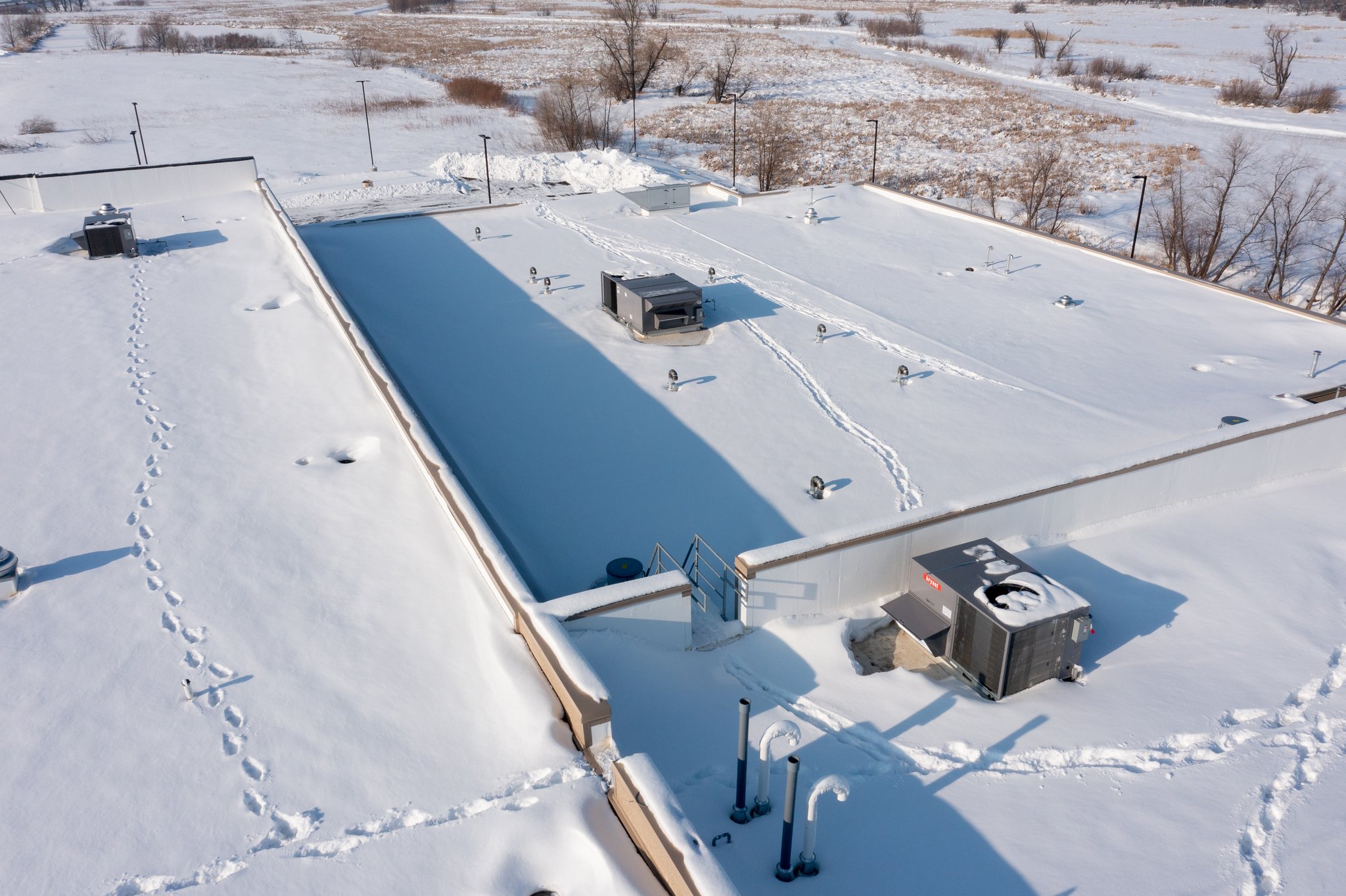
Preventive Maintenance Programs in West Virginia
Budgeting Preventive Maintenance Programs around South Hills starts with constraints that are easy to miss from a satellite view. Rooftop units, parapet height.
→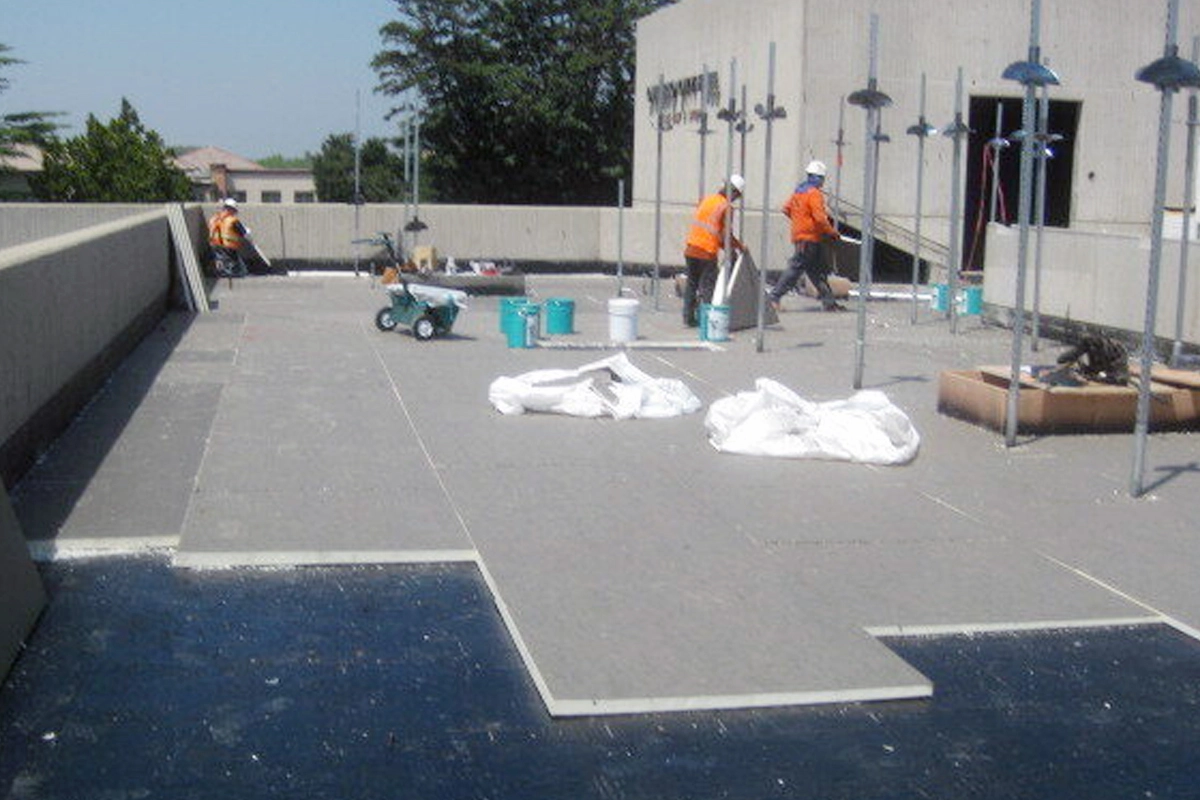
Insulation and Recovery Board in West Virginia
Insulation and Recovery Board on a Charleston commercial building has to respect both the roof and the day below it. Around CAMC Memorial, crews may be working.
→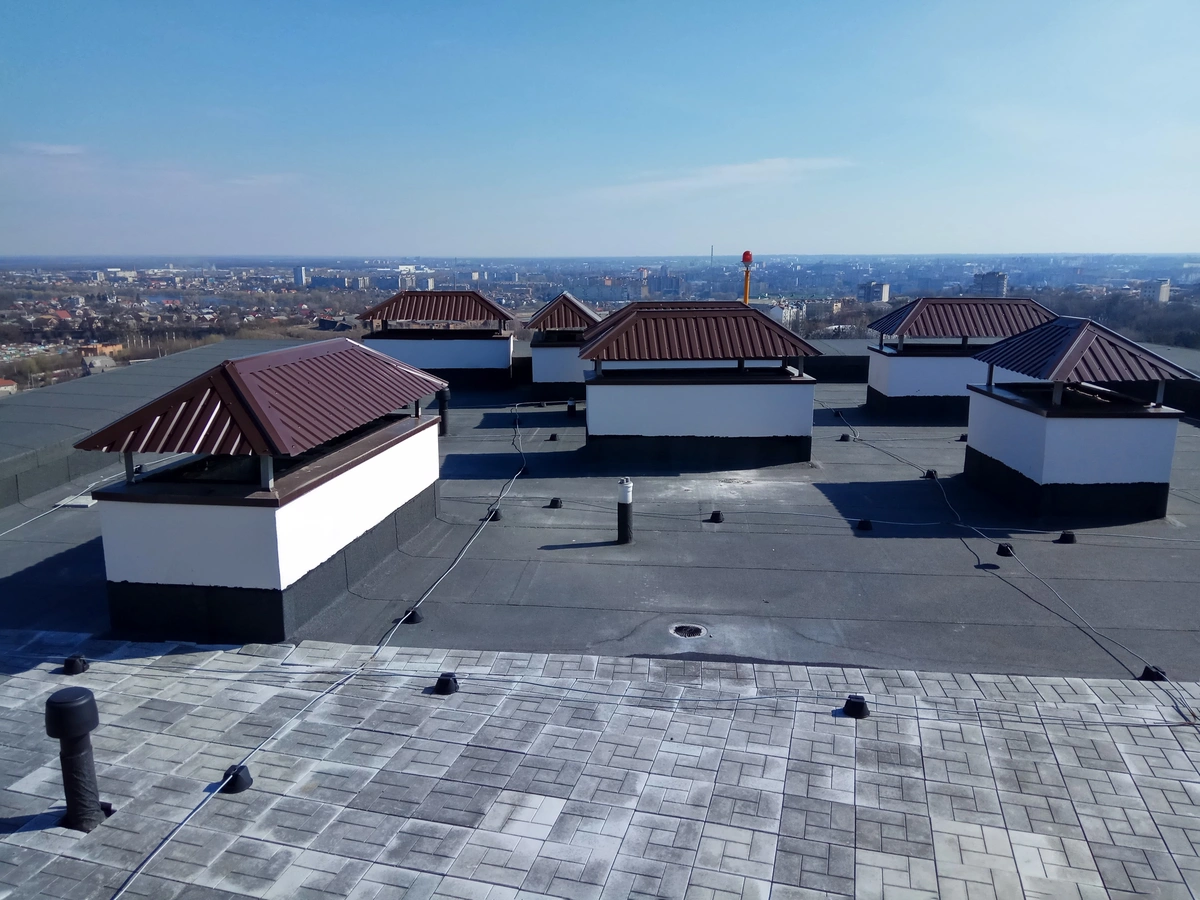
Office Building Roofing in West Virginia
Highmark West Virginia's corporate headquarters in Charleston, along with the broader concentration of state government office buildings, law firm offices, and.
→
Occupied Building Re-Roofing in West Virginia
We are usually talking with facility teams comparing Roof Recover and Overlay scope, schedule risk, water control, and budget, so the first visit is grounded in.
→