
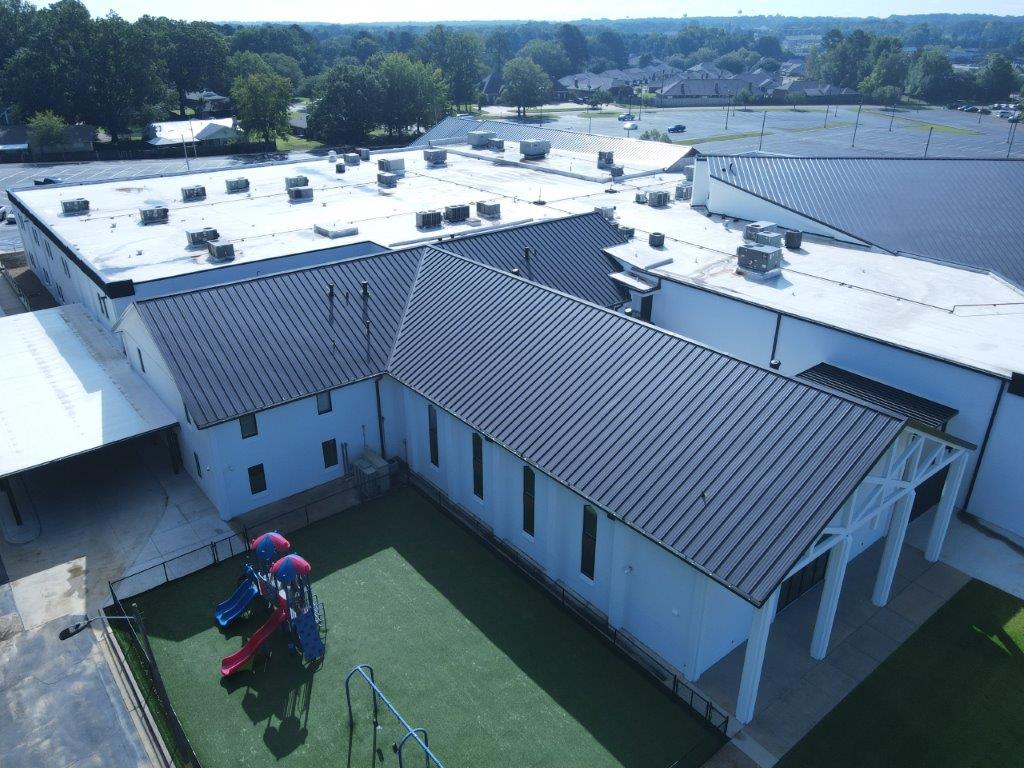
Charleston, West Virginia's religious community is driven by historic congregations that have shaped the city's civic life since the antebellum era, and Trinity Episcopal Church - whose striking stone Gothic sanctuary on Capitol Street has stood near the State Capitol since the 1880s - represents the architectural heritage that defines church roofing challenges throughout the Kanawha Valley. West Virginia's mountain climate, with its combination of heavy snowfall, dramatic freeze-thaw cycling, and the flooding risk that affects the Kanawha River corridor, creates a roofing environment that demands contractors with genuine experience in Appalachian conditions rather than contractors primarily experienced in milder markets.
Freeze-thaw cycling is the single most destructive weathering force for Charleston church roofs. The city's position in the sheltered Kanawha Valley means it does not receive the extreme snowfall of higher-elevation communities, but it experiences frequent temperature oscillations across the freezing point - sometimes multiple times in a single week during December through February. Each freeze-thaw cycle forces water that has infiltrated masonry joints, aged flashing seams, or membrane cracks to expand and contract, progressively widening damage. Over a decade, this cycling can convert a minor flashing gap into a major structural water infiltration problem that damages timber framing, historic plaster, and stone masonry.
Snow load management is particularly important for Charleston churches with Victorian-era construction, where original structural calculations were made before modern snow load standards existed and where decades of roof additions and mechanical equipment installations may have added weight that the original structure was not designed to carry. We assess structural roof framing capacity before every reroofing project and flag concerns to the congregation's engineer of record rather than proceeding without verifying that the finished assembly weight is within structural tolerances.
West Virginia's coal and chemical industry history has left a legacy of airborne sulfur compounds and particulate deposition that affects roofing material chemistry in the Charleston area more than in many other markets. Acidic precipitation and sulfur dioxide exposure accelerate the degradation of rubber-based EPDM membranes and attack the limestone aggregate in some built-up roofing surfaces. We specify membrane materials with documented chemical resistance characteristics appropriate for industrial-urban air quality environments, and we include surface coating maintenance schedules that protect membranes from accelerated chemical weathering.
Many Charleston congregations occupy buildings that have been modified substantially from their original construction, with additions in different materials and from different eras joined in ways that create chronic water management problems at the transitions. A stone Victorian sanctuary joined to a 1960s masonry educational wing joined to a 1990s steel-framed fellowship hall creates three different roof levels, three different structural systems, and three different sets of flashing conditions all contributing water to a shared drainage system. These complex multi-era buildings require careful investigation and system-level thinking rather than piecemeal repair of visible symptoms.
Appalachian weather patterns bring significant rainfall to the Kanawha Valley regardless of season, with Charleston averaging over 43 inches annually distributed fairly evenly through the year. There is no dry season when deferred roof maintenance is safe. Churches that allow known leaks to persist through the summer discover that autumn rains resume the damage cycle and winter freeze-thaw cycling compounds it. We encourage Charleston church facility committees to address identified roof deficiencies promptly rather than waiting for a convenient time, because in West Virginia's climate, the convenient time is always immediately after the damage season ends - which is when the next damage season begins.
Steeple and tower roofing presents unique challenges for Charleston's historic church buildings that flat-roofing specialists are not equipped to address. Standing-seam copper or painted steel sheathing on spires, cone-capped towers, and octagonal lanterns requires sheet metal fabricators with traditional skills and comfort working at significant height on steep-pitched surfaces. We subcontract these specialized elements to craftsmen with documented historic church steeple restoration experience and manage the full project scope under a single contract so that the congregation has one point of accountability for the entire building envelope.
Budget constraints are a genuine reality for many Charleston congregations, particularly those serving communities in the lower Kanawha Valley and surrounding Fayette and Boone County areas where economic conditions limit congregational giving. We develop honest condition assessments that clearly distinguish emergency repairs - work that must be done immediately to prevent active damage - from recommended repairs that can be deferred, and from desirable improvements that add value but are not structurally urgent. This prioritization framework gives church trustees the information they need to make responsible stewardship decisions with limited capital resources.
Documentation for historic West Virginia church properties is important because several Charleston-area congregations hold state or federal historic designations that affect what materials and methods can be used for repair and replacement. The West Virginia State Historic Preservation Office administers the state historic tax credit program, and congregations pursuing credit-eligible rehabilitation projects for income-generating portions of historic buildings need contractor documentation that satisfies SHPO review standards. We provide material specifications and installation documentation formatted for SHPO submissions when applicable.
How do freeze-thaw cycles specifically damage Charleston church roofs? Water infiltrates small gaps in aging flashings, masonry joints, or membrane seams and freezes when temperatures drop below 32°F. Ice expands approximately 9 percent by volume, mechanically widening the gap. When ice melts, the wider gap admits more water, and the next freeze enlarges it further. This progressive cycle can convert a hairline crack into a structural failure over several seasons without any single dramatic weather event. Can you repair a stone church's flashing without disturbing the historic masonry? Yes. We use lead-coated copper or pure copper base flashings that can be inserted into raked mortar joints without removing historic stone. The mortar joint is raked to appropriate depth, the flashing inserted and mechanically secured, and the joint repointed with a lime mortar compatible with the historic masonry rather than hard Portland cement that can crack surrounding stone. What should we do about a flat roof addition that was installed incorrectly in the 1970s? Improper original installation means the existing assembly needs to be evaluated before assuming the deck below is sound. We scope investigative demolition to assess deck condition, verify structural framing adequacy for current loads, and install a properly designed replacement system from the deck up rather than recovering over an unknown existing assembly. Are there West Virginia programs that help churches fund roof repairs? The West Virginia Historic Tax Credit can support rehabilitation projects on certified historic structures. The USDA Community Facilities program offers loans and grants for community facilities in rural areas, and some rural Charleston-area congregations qualify. We can provide cost documentation that supports grant applications to community development foundations active in the Kanawha Valley region. How quickly can you respond to a roof emergency in Charleston? We maintain a 24-hour emergency response capability for Charleston-area church clients, with temporary tarping and weatherproofing available within 24 hours of a confirmed emergency. We carry inventory of standard temporary protection materials at our Charleston facility and do not depend on regional shipping for immediate response supplies.Q&A
Questions about Church and Religious Building Roofing
What decides the next roof step?
Moisture risk, membrane condition, drainage, access, roof traffic, rooftop equipment, age, warranty language, and building operations all shape the recommendation.
Can the building stay open during the work?
Often yes. The scope needs daily dry-in planning, staging notes, tenant protection, safety controls, and access limits written before field work starts.
What should ownership send before a roof walk?
Useful items include leak photos, prior proposals, roof plans, warranty paperwork, roof age, interior leak locations, and the best contact for roof access.
Related Roof Decisions
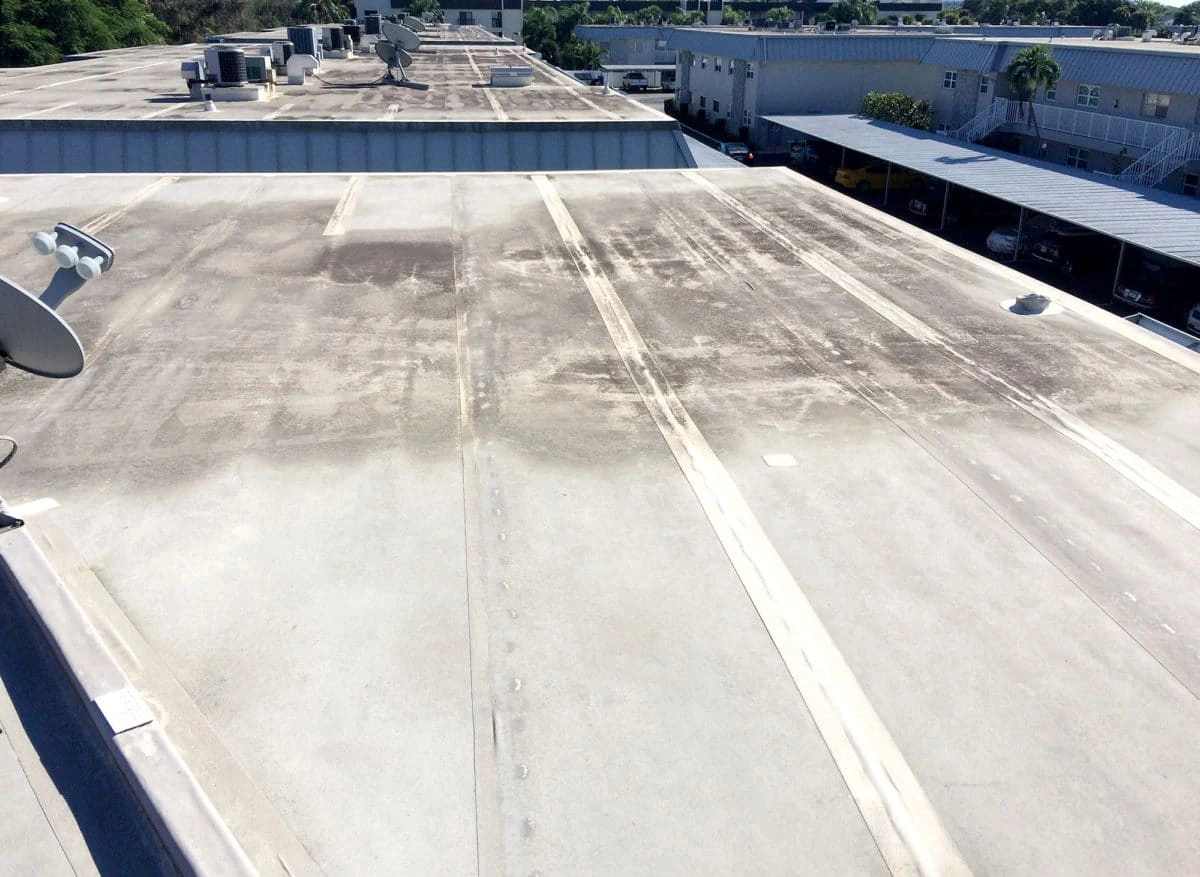
KEE Single-Ply Roofing in West Virginia
A service call near July normal rainfall of 5.38 inches can become a capital roof conversation fast if the deck is wet, the drains are undersized, or the edge metal.
→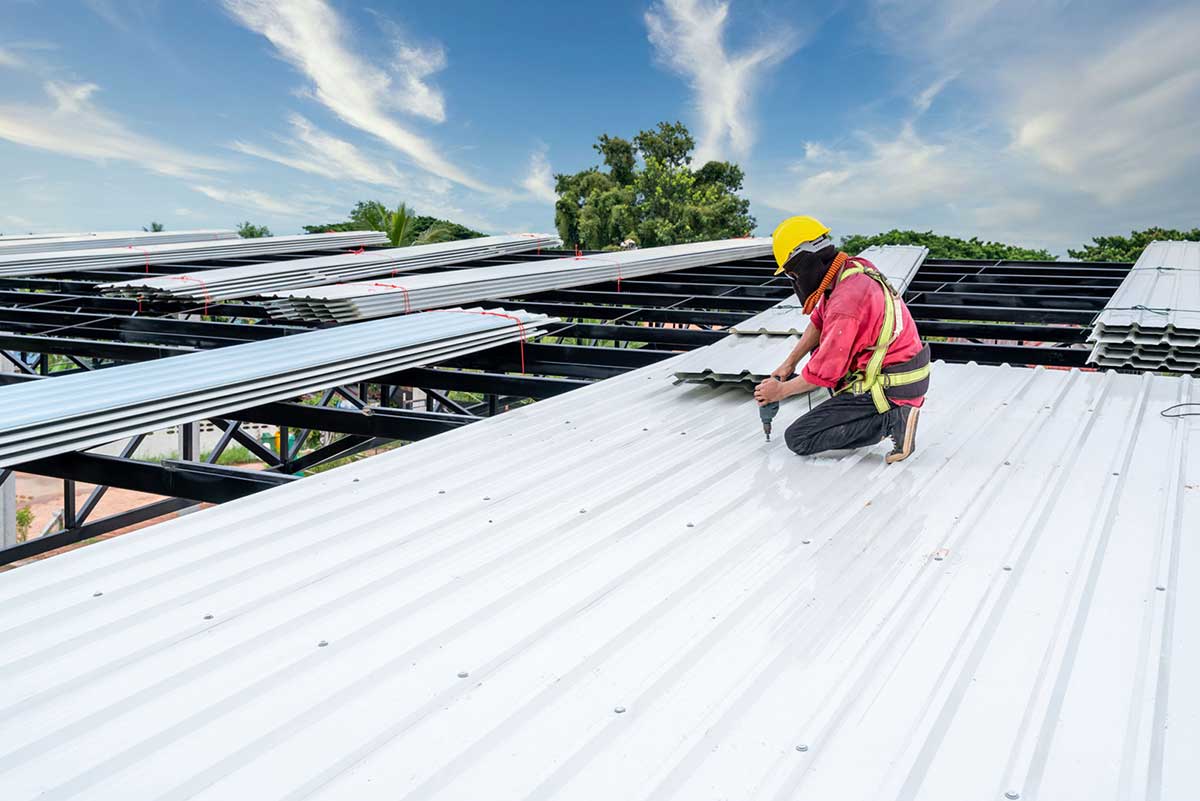
Roof Recover and Overlay in West Virginia
We are usually talking with facility teams comparing Roof Recover and Overlay scope, schedule risk, water control, and budget, so the first visit is grounded in.
→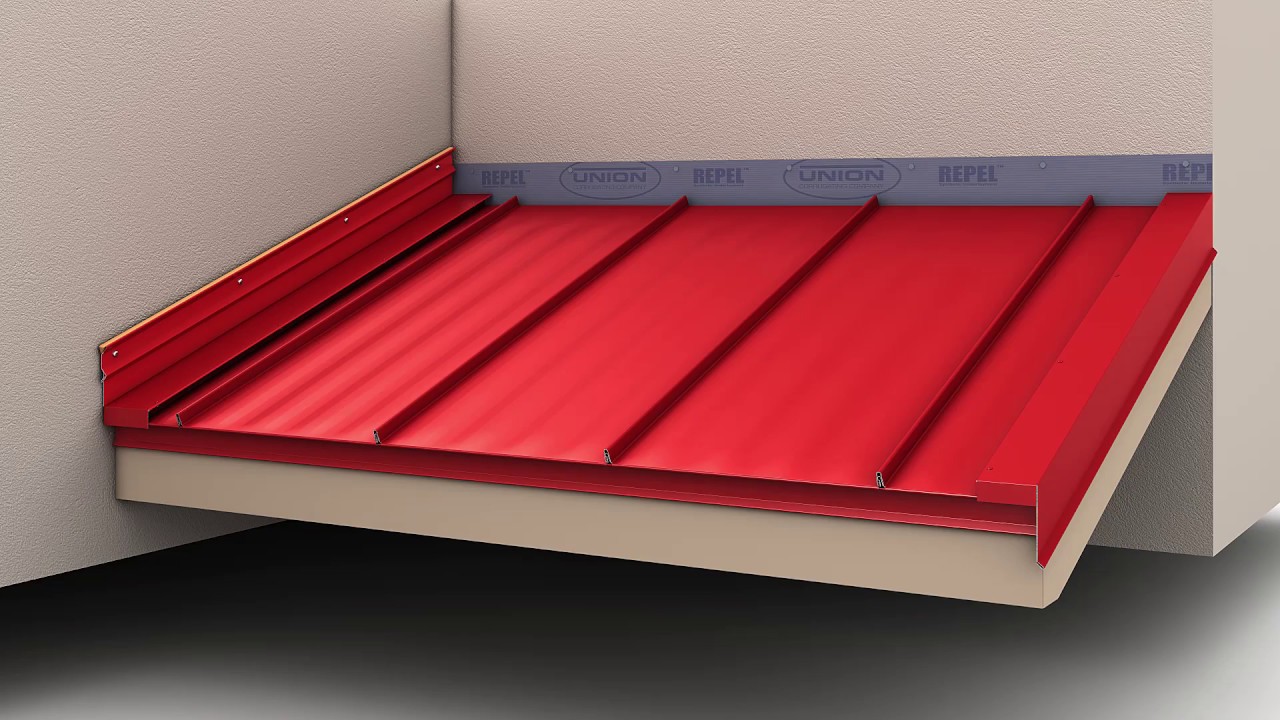
Skylight and Penetration Flashing in West Virginia
The roof surfaces near South Hills and industrial corrosion exposure often age in different ways, even when the buildings are only a few miles apart. That is why.
→
Auto Dealership Roofing in West Virginia
Cox Automotive-affiliated dealerships, along with independent groups like Broh Automotive serving the Kanawha Valley, operate vehicle sales and service facilities.
→