
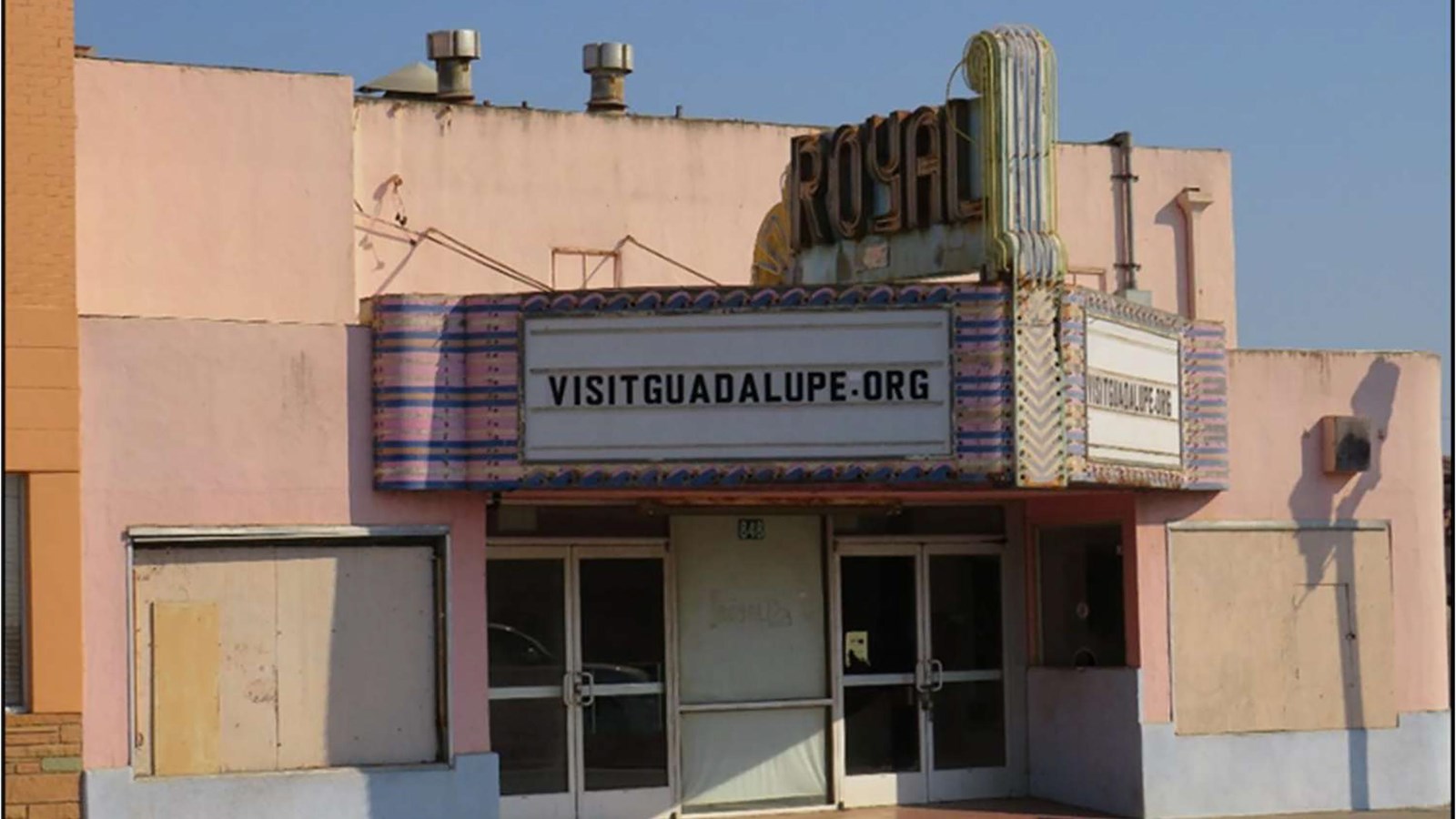
Big empty spans and very full mechanical
A cinema is a strange roof: enormous open volumes below with nothing holding the deck up in the middle, and a rooftop crowded with equipment because every auditorium needs its own air. Those two facts - long clear spans and dense, concentrated mechanical - drive almost every decision we make on a movie theater roof in Charleston. A membrane and fastener pattern pulled off a retail-strip job will not behave the same way over a hundred-foot auditorium span, and the penetration field over a multiplex rivals a hospital.
Charleston's cinema and entertainment buildings cluster where the traffic is. The Southridge area in Charleston and South Charleston - led by Southridge Centre, Dudley Farms Plaza, and The Shops at Trace Fork off Corridor G - and the Kanawha City shopping district along MacCorkle Avenue draw the regional movie audience pulling off I-64, I-77, and I-79. These are stadium-seating multiplexes and entertainment-adjacent venues with the structural and mechanical profile that makes cinema roofing its own discipline.
Detailing the long clear-span deck
A multiplex carries roof spans of roughly eighty to a hundred-fifty feet across each auditorium with no intermediate columns, and those spans deflect under wind and snow in ways a short-span retail deck does not. We set fastener density and insulation attachment from the actual deck - rib depth, gauge, and span - rather than a generic pattern, because older steel deck with shallow ribs holds far less pull-out than modern deep-rib deck. Where deflection is a real concern across a wide bay, we look at adhered or hybrid attachment to take the concentrated point loads off the seams. On a reroof we start with a core sample to confirm the existing layers, moisture content, and total weight in place before deciding between recover and full tear-off.
Sound and insulation across the span
The roof over an auditorium is also part of the room's acoustics and comfort. A large low-slope deck over a packed house with surround audio has to manage rain noise during a quiet scene, hold heat in a Kanawha Valley winter, and meet the cool-roof energy targets most jurisdictions now apply to commercial reroofing permits. We build the insulation package to do all three - adequate thermal performance, mass and continuity that help dampen impact noise, and a reflective surface where code requires it - so the assembly serves the experience inside, not just the weather outside.
The penetration field over a multiplex
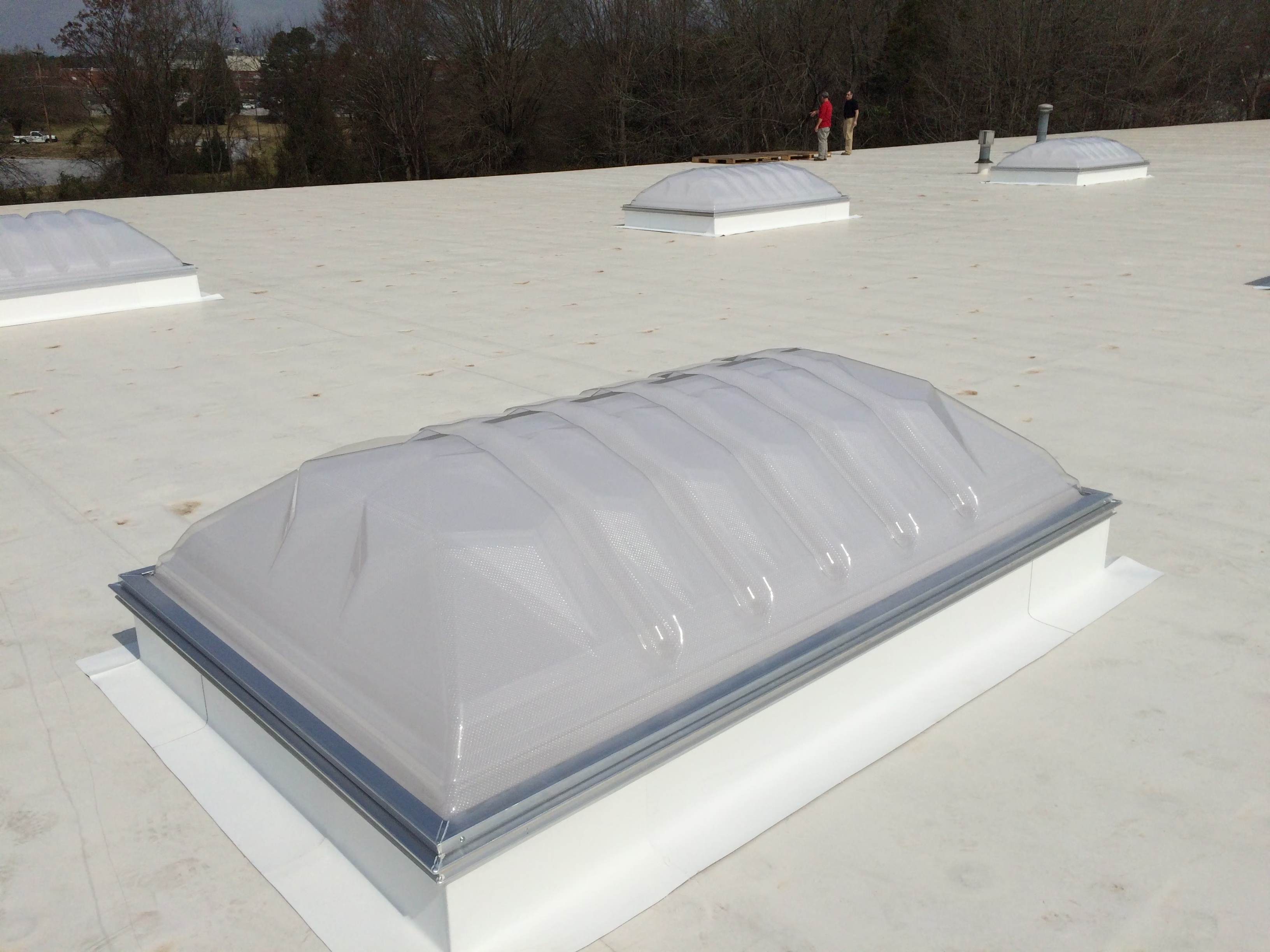
The mechanical load on a cinema roof is what surprises owners most. Each auditorium typically runs a dedicated rooftop HVAC unit, and on top of that you have concession exhaust, lobby heating vents, and condensers for the walk-in coolers serving food service. That stacks up into a penetration cluster as dense as you will find on any commercial building. We inventory and individually flash every curb, duct, and conduit run before new membrane goes over it, because on a multiplex the leaks almost never come from the open field - they come from a tired curb buried in the equipment cluster.
Drainage on a wide low-slope roof
Wide flat decks pond, and decades of settlement leave dead-flat areas the original build never drained well. Ponding ages membrane fast and adds load to a span that is already working hard. We design tapered insulation to carry water to drains and scuppers and re-evaluate the drain and overflow layout, so the auditorium decks shed water instead of holding it through every Charleston downpour.
Tall parapets, uplift, and the edge
Multiplexes tend to carry tall decorative parapets and big screen walls that hide the rooftop equipment from the parking lot, and those raised edges change how wind loads the roof. The corners and perimeter of a large low-slope deck take the highest uplift, and on a building that has been re-roofed before we often find under-fastened perimeters and edge metal that no longer meets current wind requirements. We design the perimeter and corner enhancement and the edge-metal attachment to the wind loads the building actually sees on an exposed Corridor G or MacCorkle Avenue site, because the edge is where a wide cinema roof peels first in a storm. Coping, counterflashing at the parapet-to-screen-wall returns, and the tie-in behind the decorative facade all get detailed as part of the scope rather than patched around.
Working around showtimes
Cinemas run afternoon through late night, seven days a week, which puts them in the same scheduling category as any building that never really closes during business hours. We sequence tear-off and dry-in so each section is watertight before the evening crowd arrives, coordinate any HVAC shutdown needed for curb or penetration work into off-hours, and keep staging and access clear of the entries and box office during opening procedures. The marquee and entry canopies get specific attention - their attachment points puncture the membrane and the canopy-to-building transitions are a classic chronic leak on older theaters, so we re-flash those as part of the scope rather than leaving them for next time.
What a Charleston cinema roof review covers
On a theater, our assessment is grounded in the things that actually fail on this building type:
- Deck type, gauge, and span across the auditorium bays, and the attachment method each demands
- The full rooftop HVAC and exhaust penetration field, curb by curb
- Insulation performance for thermal, acoustic, and cool-roof code requirements
- Ponding and drainage across wide low-slope decks, with tapered correction where needed
- Marquee, entry-canopy, and sign penetrations and their transitions to the building
- Walkway protection at high-traffic service paths around rooftop units
We price cinema reroofs per roof square after a roof walk and core review, with tapered insulation built in where it earns its keep by ending the ponding that shortens membrane life. The result is a roof matched to the building's real structure and mechanical load, installed without dimming a single evening show. For a multiplex near Southridge or an entertainment venue in the Kanawha City corridor, we can deliver a condition assessment and a fixed scope your operations team can plan around.
Q&A
Questions about Movie Theater & Cinema Roofing
What decides the next roof step?
Moisture risk, membrane condition, drainage, access, roof traffic, rooftop equipment, age, warranty language, and building operations all shape the recommendation.
Can the building stay open during the work?
Often yes. The scope needs daily dry-in planning, staging notes, tenant protection, safety controls, and access limits written before field work starts.
What should ownership send before a roof walk?
Useful items include leak photos, prior proposals, roof plans, warranty paperwork, roof age, interior leak locations, and the best contact for roof access.
Related Roof Decisions
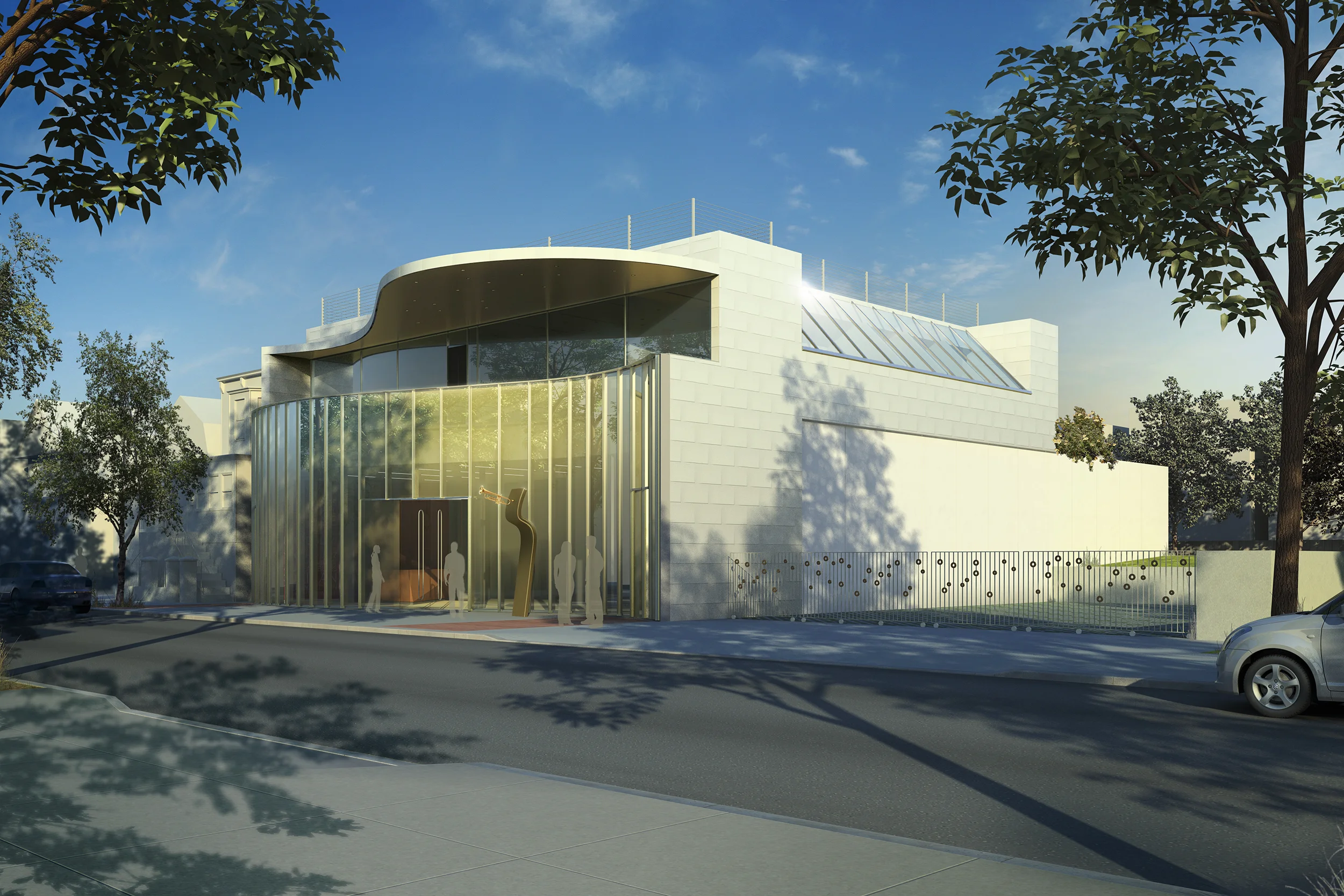
Museum & Cultural Facility Roofing in West Virginia
Museum and cultural institution roofing in Charleston requires phased project planning keyed to one constraint that overrides scheduling, cost, and convenience: the.
→
Medical Office Building Roofing in West Virginia
We are usually talking with operators planning Medical Office Building Roofing around people, inventory, tenants, or public access below, so the first visit is.
→
Office Complex Roofing in West Virginia
When an owner asks about Office Complex Roofing, we do not start with a brochure. We start with the weather, the roof assembly, the access route, the interior.
→
Industrial Flex Space Roofing in West Virginia
Flex space is defined by how often it changes. A bay that held a distributor last year holds a contractor's shop this year and a small assembly operation next year.
→