
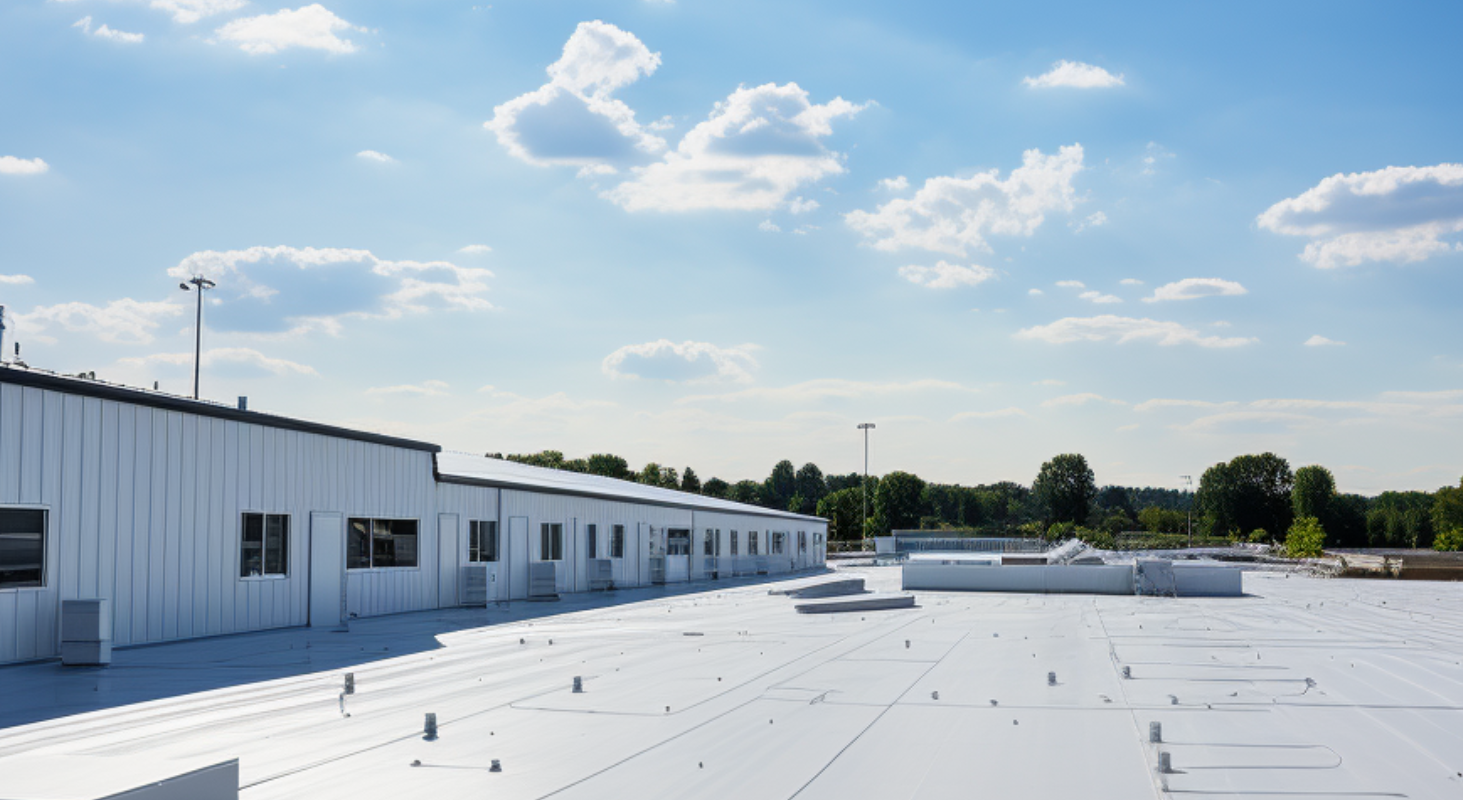
Two climates under one roof
A food plant asks the roof to manage two opposite conditions at once. On the production floor, daily washdown and processing heat push warm, saturated air up into the deck. A few steps away, freezer and chill rooms hold the space far below freezing. The roof assembly has to handle that swing without sweating inside itself, because the moment vapor condenses in the insulation it starts corroding the deck and rotting the assembly with no leak ever showing on the ceiling. We design food processing roofs in Charleston around that internal moisture problem first, and the surface membrane second.
Charleston's food economy is broadening fast. The downtown LIFT Center now houses the Charleston Food Manufacturing Hub, a shared commercial kitchen and co-packing space that is feeding a new wave of small producers, and the wholesale, commissary, and cold-storage operations along MacCorkle Avenue, Patrick Street, and the Kanawha City and South Charleston corridors keep the region supplied. These buildings run sanitation-driven, high-humidity interiors and carry serious refrigeration hardware on the roof, which makes them a distinct roofing problem rather than a generic warehouse.
Washdown humidity and the deck below
Sanitary operations hose down floors, walls, and equipment on a regular cycle, and a lot of that water leaves as vapor. Combined with cooking, blanching, and process steam, the interior of an active food plant sits at a humidity level the deck has to be protected from. We build the assembly with a vapor retarder matched to the interior dew point and enough insulation to keep the deck above the condensing temperature, so the moisture stays where it belongs and never reaches cold steel. On a continuously washed-down floor that detail is not optional.
Refrigeration loads and cold-room assemblies
Food plants carry weight on the roof that ordinary commercial buildings never do - condensing units, evaporative equipment, large makeup-air handlers, and the refrigeration packages serving freezers and chill rooms. We confirm the deck can carry that equipment plus the insulation and any drifted snow before we settle the assembly, and over refrigerated rooms we design the thermal layering and vapor drive deliberately. Get the direction of vapor drive wrong above a freezer and you build condensation straight into the assembly; get it right and the cold chain stays sealed and the deck stays dry.
Sanitary materials and ponding control
What goes on the roof of a food plant is constrained before performance even enters the conversation. Not every membrane, adhesive, primer, or sealant is acceptable above a food-contact environment, and the rules tighten over open processing areas. We identify the regulatory framework the plant operates under and confirm material acceptability with the plant's quality team before specifying anything over production. Many common roofing adhesives carry solvents that simply do not belong above a food floor, so flashing details get the same scrutiny as the field membrane.
Why ponding is a bigger deal here
Standing water is a problem on any low-slope roof, but over refrigerated rooms it does double damage: it adds thermal load to the refrigeration system working below it and it accelerates deck corrosion in exactly the zone you most need to keep dry. We design tapered insulation to move water to drains and scuppers at the low point of each bay and verify the drain layout against the refrigeration zones beneath, so the roof is not quietly fighting the freezers it sits over.
Details that keep an audit clean
Food-safety inspectors read the roof as part of the building, and the things they flag are the things we detail for. Standing water, deteriorated flashings, gaps at penetrations, and corroded edge metal all read as potential moisture entry over production, so we close them deliberately: sealed, properly sloped curbs at every roof penetration, edge metal and coping that hold up to washdown overspray and Kanawha Valley weather, and a surface that drains clean rather than holding pools that draw birds and debris. We also document condition with photographs and keep repair records your QA manager can produce during an inspection, so the roof supports the plant's food-safety story instead of becoming a finding in it.
Working around the production schedule
Food plants in Charleston commonly run multiple shifts with a single weekly sanitation window as the only time the floor is down. We plan the roofing to that calendar, not the reverse. Any work that opens the envelope over an active line is confined to sanitation windows or planned shutdowns, with the QA manager confirming the floor below is clean and protected before we start and every section dried in before the line restarts. The goal is simple: the roof work never becomes the reason a batch is held.
If water gets in during a run
A leak over a live line is a food-safety event, not just a repair. Our response for food plants is built for that - fast mobilization for temporary dry-in, immediate coordination with the plant's QA and facilities staff for product-hold evaluation, and the documentation the plant needs for its own incident record. We leave that emergency contact path in place as part of every food processing project so the building is not improvising when it matters.
What a Charleston food plant roof review covers
On a food processing building, our walk targets the failure modes specific to this use:
- Interior humidity and washdown vapor drive, and whether the assembly protects the deck from condensation
- Cold-room and freezer assemblies, including vapor-drive direction and thermal continuity of the cold chain
- Deck load capacity against refrigeration equipment, makeup-air units, and snow load
- Material acceptability of membrane, adhesives, and sealants for the plant's regulated environment
- Ponding and drainage, with attention to standing water over refrigerated bays
- Production and sanitation schedule, and the access windows that govern phasing
The result is a roof that respects what happens beneath it: a sanitary, condensation-controlled assembly that carries the refrigeration loads, drains where it should, and gets installed without ever putting product at risk. Whether you run a co-packing line tied to the downtown Food Manufacturing Hub or an established cold-storage and processing operation along MacCorkle, we can scope it to your floor and your schedule.
Q&A
Questions about Food Processing Facility Roofing
What decides the next roof step?
Moisture risk, membrane condition, drainage, access, roof traffic, rooftop equipment, age, warranty language, and building operations all shape the recommendation.
Can the building stay open during the work?
Often yes. The scope needs daily dry-in planning, staging notes, tenant protection, safety controls, and access limits written before field work starts.
What should ownership send before a roof walk?
Useful items include leak photos, prior proposals, roof plans, warranty paperwork, roof age, interior leak locations, and the best contact for roof access.
Related Roof Decisions

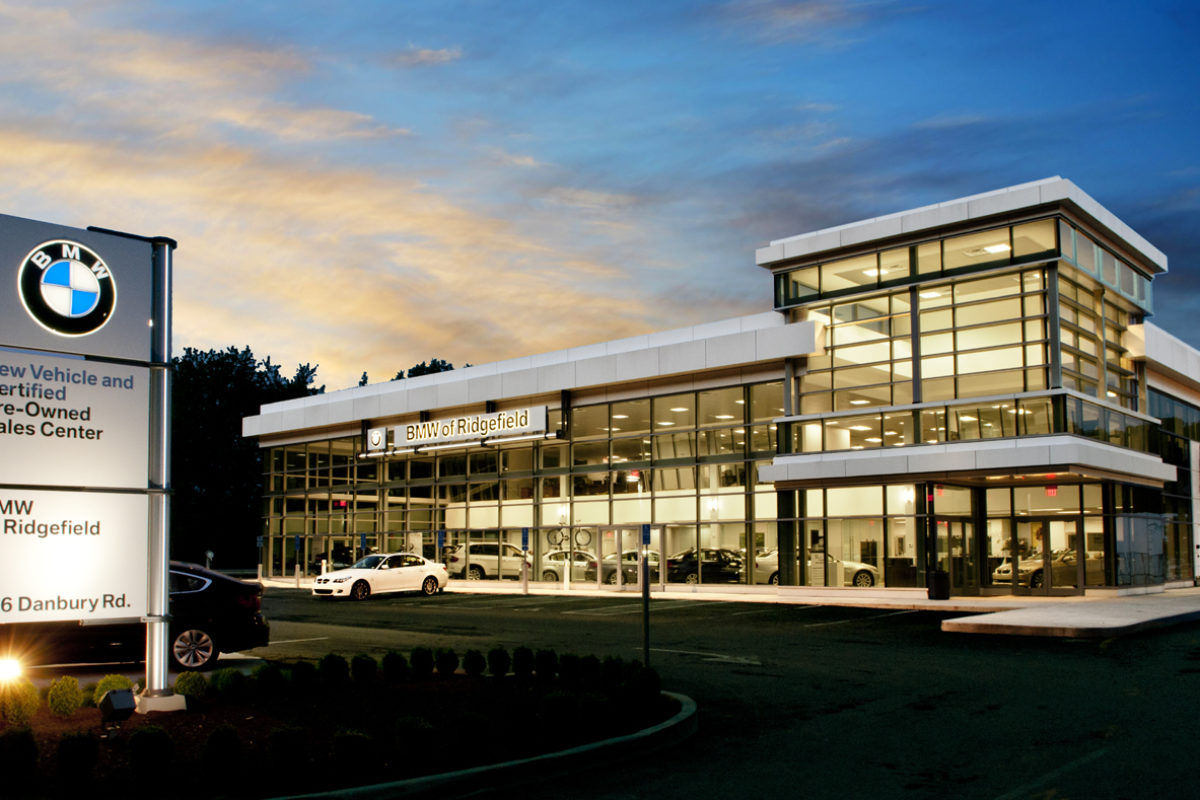
Auto Dealership Roofing in West Virginia
A roof above Kanawha County does not get a generic Auto Dealership Roofing scope from us. We look at how people enter the building, how materials can be staged.
→
Self-Storage Facility Roofing in West Virginia
31.5 inches of normal annual snowfall is the kind of local condition that changes Self-Storage Facility Roofing from a product conversation into a roof-asset.
→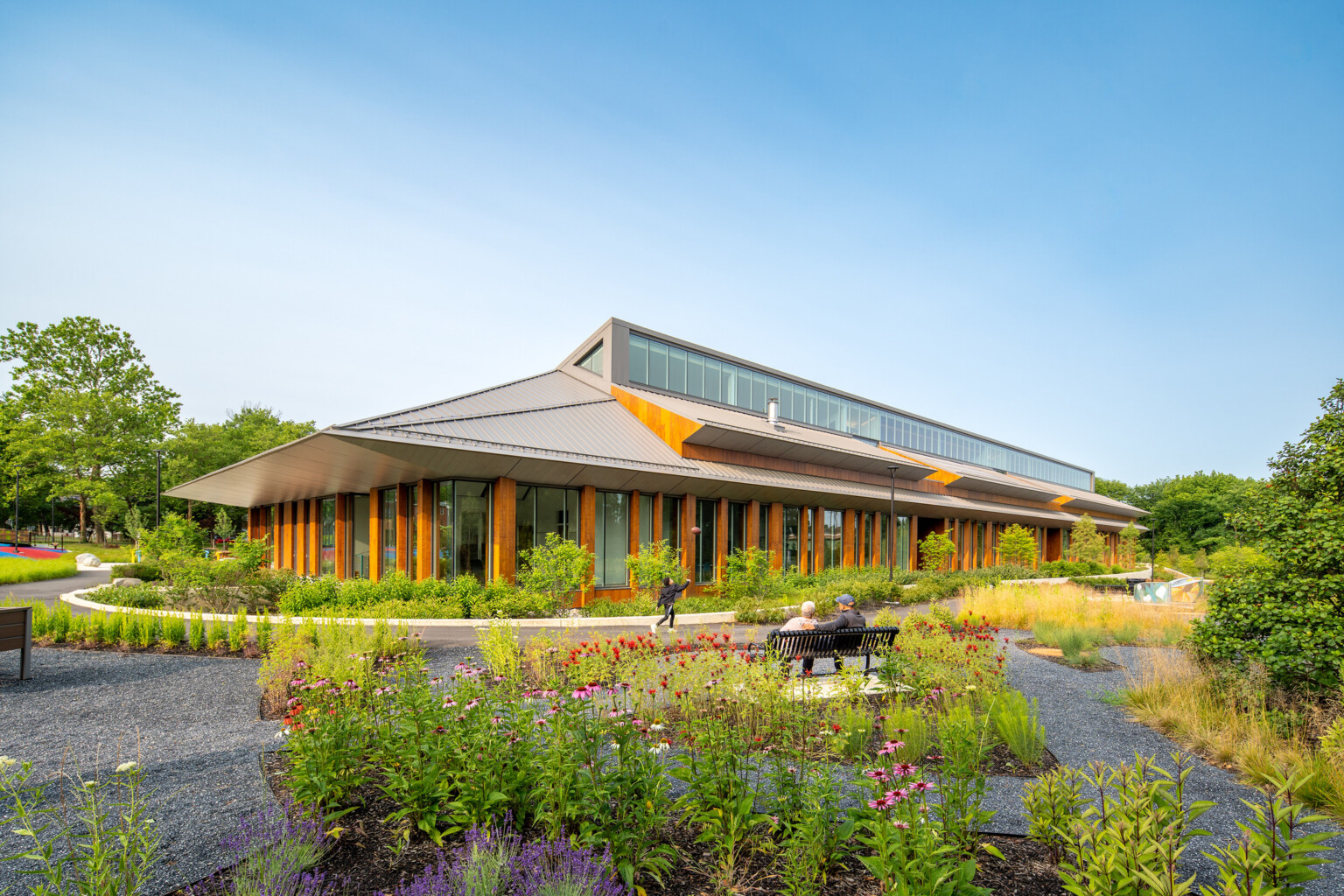
Fitness Center & Gym Roofing in West Virginia
From the outside a fitness center looks like a simple big-box roof. The trouble is everything bolted on top of it and everything steaming up underneath it.
→
Automotive Manufacturing Facility Roofing in West Virginia
An automotive plant turns roofing into a logistics problem. The deck is enormous, the production line underneath has a known cost for every hour it stops, and the.
→