
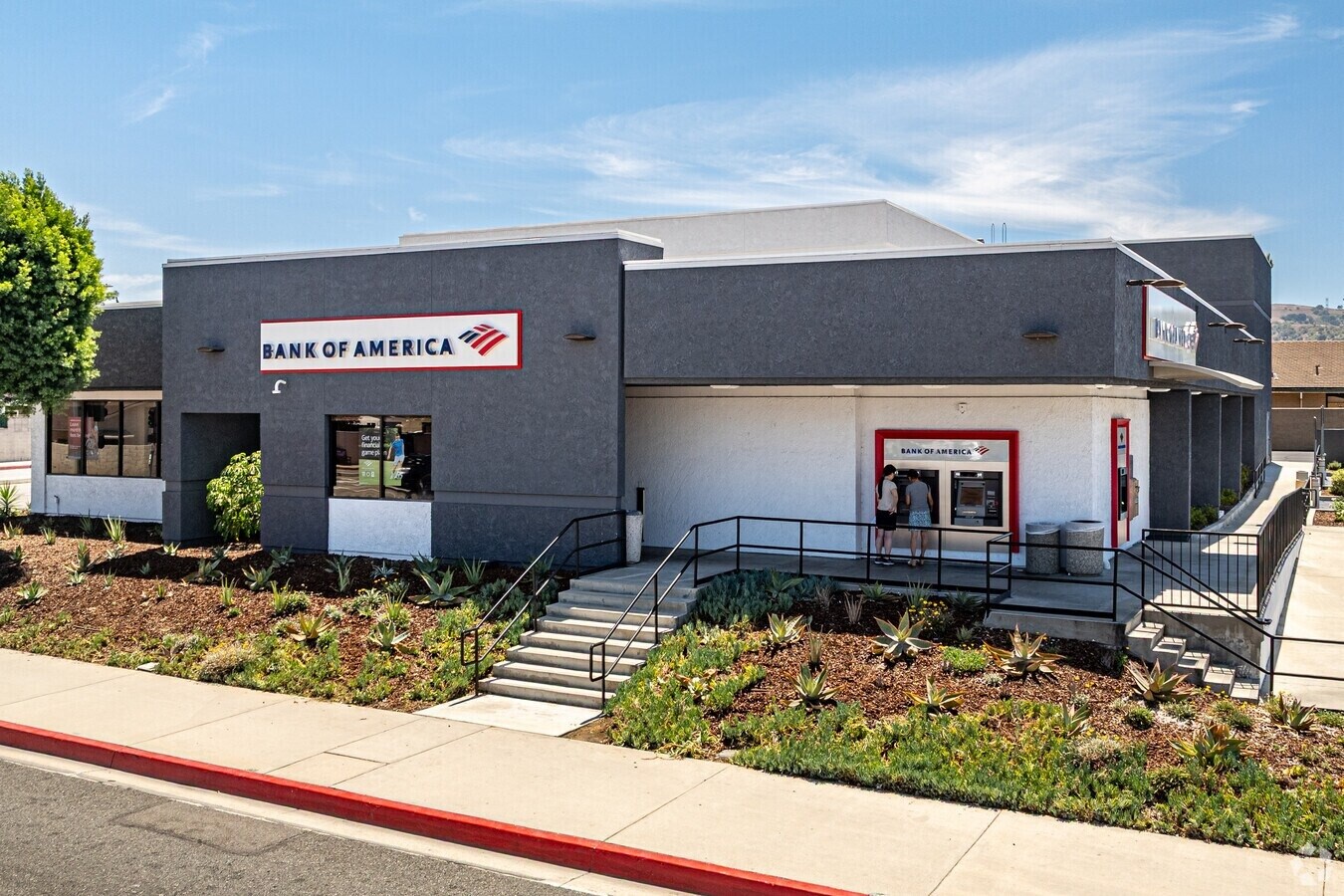
Small roofs, high stakes: bank and financial roofing in Charleston
A bank branch rarely has a large roof, but it is one of the least forgiving small roofs in commercial work. It sits at a busy intersection where the building's appearance is part of the brand, it operates on fixed business hours with money and sensitive equipment inside, and a minor leak over a server closet or a vault corridor turns into a business interruption the same afternoon. Charleston's financial footprint stretches from the bank towers and corporate offices downtown around Lee and Quarrier streets to the freestanding retail branches and credit unions strung along MacCorkle Avenue, Corridor G in South Charleston, and the Kanawha City stretch of US-60.
There are more penetrations up there than the footprint suggests
A bank roof is small but busy. Drive-through canopy tie-ins, the ATM kiosk enclosure, a generator with a rooftop exhaust and transfer-switch room, and precision cooling units for the server and network rooms all create their own flashing details on a building that looks like it should have almost none. Each one is a potential entry point, and on a financial building the consequence of a leak is not a stained ceiling tile, it is downtime on systems that move money. We inventory every curb and penetration before pricing and detail them individually rather than running a generic field membrane across the whole thing and hoping the transitions hold.
The drive-through canopy is where banks actually leak
If a Charleston branch has a chronic leak, the drive-through canopy is the first place we look. The point where the canopy roof meets the main building wall lives a hard life: it cycles through every temperature swing, it catches overspray and road grime from vehicles passing under it, and the canopy and the building often settle at slightly different rates, working that joint loose over time. Standard retail flashing is not built for that combination of movement and exposure. We treat the canopy-to-wall transition as its own scope item, evaluate it separately, and when it is worn we re-flash it with a detail designed for differential movement. Replacing the field membrane alone never fixes this, which is why the same branches keep leaking after a full reroof done by someone who skipped the canopy.
Security shapes the schedule before the roof does
Financial buildings put more conditions on contractor access than almost any other commercial type we work on. Crew badging, escorts for any work over or near vault-adjacent areas, and camera documentation of contractor activity on the roof are routine at bank-owned property in Charleston. We treat that as part of the job, not a surprise. The security coordination timeline and crew credentialing go into the bid schedule up front, so the branch's corporate security team is not scrambling and the project is not stalling on the first morning because someone showed up without clearance. We confirm vault-room locations from the drawings before mobilizing, sequence work over those zones into approved windows, and check that nothing we are doing affects active vault operations through vibration or temporary access changes.
Working a single branch or a whole portfolio
Charleston's financial institutions tend to own multiple locations or run their real estate through centralized facilities management. National programs come with preferred-vendor enrollment, standardized scope documentation, and national-account pricing frameworks; we work inside those structures for portfolio accounts and just as readily with the community banks and credit unions that manage one or two buildings directly. Whatever the ownership, the deliverables are consistent. We schedule active tear-off and installation into off-hours and weekends, confirm daily dry-in before the lobby opens, and close out with insurance and license verification on file, a pre-construction safety plan, daily work and dry-in reports, manufacturer warranty registered in the owner's name, and the final permit and inspection package. For visible low-slope branch roofs we frequently pair a reflective membrane or a cool-roof coating with corrected drainage so the small roof stays low-maintenance and easy to keep clean.
Edge metal and the recover-versus-replace call
On a small branch roof the perimeter is a bigger share of the job than it is on a warehouse, and the perimeter is where wind starts a failure. A bank sitting exposed on a corner lot along Corridor G or out on US-60 catches gusts with nothing to break them, and a loose or under-fastened edge metal is the first thing a storm finds. We test the existing edge condition, replace coping and fascia metal to the wind zone the building actually sits in, and tie the new edge into the membrane so the system is continuous from field to parapet. The other decision we help owners make honestly is whether to recover or fully replace. A coating or a single recover can be the right, economical answer on a sound deck with dry insulation, but on a branch where moisture has already gotten into the assembly, a recover just buries the problem under a fresh surface and a new warranty that will not pay out. We core-sample and survey for trapped moisture before recommending either path, so the cost matches the actual condition of the roof rather than the cheapest line on a proposal.
Bank & Financial Building Roofing Questions
How do you schedule roofing work around bank operating hours?We concentrate active tear-off and installation in off-hours and weekends and confirm daily dry-in before the branch opens each morning. Work windows, noise limits during customer hours, and any security-escort requirements for roof access are coordinated with the branch manager and corporate facilities team.
How do you handle the drive-through canopy-to-building connection?That transition is treated as its own flashing item, not folded into the field membrane. We evaluate the canopy-to-wall detail separately, and if it is deteriorated we re-flash it with a detail built for the differential movement these connections see. It is the most common chronic bank leak and it is never solved by replacing the field membrane alone.
What documentation do financial institutions require?Typically contractor insurance certificates and license verification before mobilization, a pre-construction safety plan, daily work and dry-in reports, manufacturer warranty registered in the owner's name, and a final permit and inspection package. We work inside each institution's vendor-management process for approved-contractor registration.
Can you work on buildings with active vaults or security-sensitive areas below?Yes. We identify vault-room locations from the drawings before mobilization, sequence work over those zones into approved windows, and confirm with the security team that no active vault operations are affected by vibration or temporary access changes during the work.
Do you have experience with multi-site bank roofing programs?Yes. Portfolio programs, whether a regional bank with twenty branches or a national institution with locations across the state, are a regular part of our work. We provide standardized scoping, documentation, and pricing across the portfolio with a single project-management contact for corporate facilities.
Q&A
Questions about Bank & Financial Building Roofing
What decides the next roof step?
Moisture risk, membrane condition, drainage, access, roof traffic, rooftop equipment, age, warranty language, and building operations all shape the recommendation.
Can the building stay open during the work?
Often yes. The scope needs daily dry-in planning, staging notes, tenant protection, safety controls, and access limits written before field work starts.
What should ownership send before a roof walk?
Useful items include leak photos, prior proposals, roof plans, warranty paperwork, roof age, interior leak locations, and the best contact for roof access.
Related Roof Decisions
Distribution Center Roofing in West Virginia
We are usually talking with operators planning Distribution Center Roofing around people, inventory, tenants, or public access below, so the first visit is grounded.
→
Multi-Family and Apartment Complex Roofing in West Virginia
When an owner asks about Multi-Family and Apartment Complex Roofing, we do not start with a brochure. We start with the weather, the roof assembly, the access.
→
Grocery Store Roofing in West Virginia
When an owner asks about Warehouse Roofing, we do not start with a brochure. We start with the weather, the roof assembly, the access route, the interior exposure.
→
Car Wash Facility Roofing in West Virginia
A car wash is one of the only commercial buildings where the roof deck takes its worst beating from the inside. Every cycle pushes hot mist, detergent vapor, and.
→